 English
 Türkçe
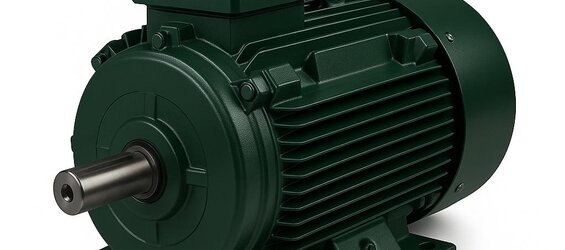
3000 RPM LOW kW MOTOR VARIANTS
Low-kW electric motors running at 3000 rpm are designed for high-speed light applications thanks to their two-pole construction. They are common in small pumps, fans, compact machi... More Details

Low-kW electric motors running at 3000 rpm are designed for high-speed light applications thanks to their two-pole construction. They are common in small pumps, fans, compact machi... More Details
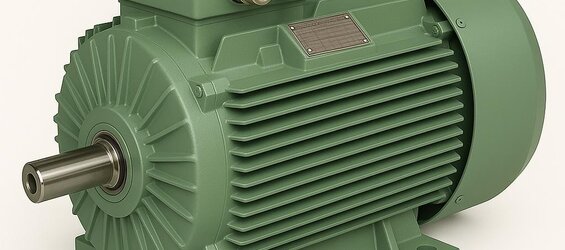
High-kW electric motors running at 3000 rpm combine high speed with high power through their two-pole design. They are used in large centrifugal pumps, high-pressure fans and blowe... More Details
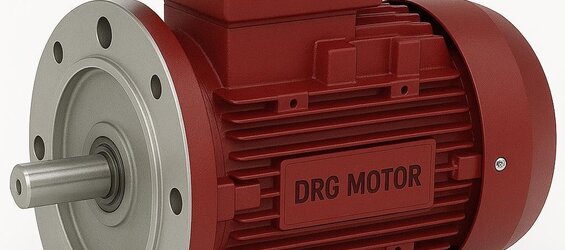
IE3 electric motors represent the Premium efficiency class under IEC 60034-30-1 and have become the industry standard for energy efficiency. DRG Motor sells IE3 motors from stock a... More Details
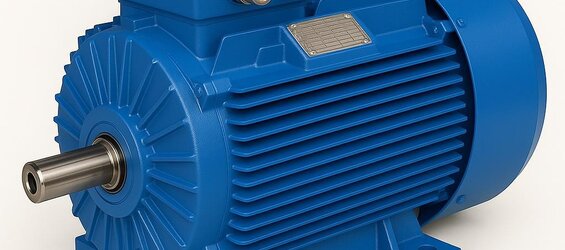
An alternating current (AC) electric motor runs on alternating current whose direction and magnitude change periodically. The most widely used type in industry is the AC asynchrono... More Details
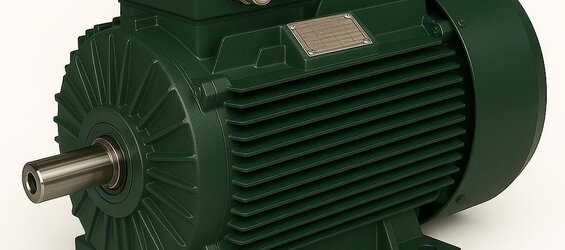
Diagnosing Broken Rotor Bars with Motor Current Signature Analysis (MCSA) One of the most critical yet hardest-to-reach parts of an asynchronous motor is its rotor. The rotor forms... More Details
At the heart of a data center sit the servers, but the infrastructure that keeps those servers running without interruption is the cooling system. If the heat produced by thousands... More Details
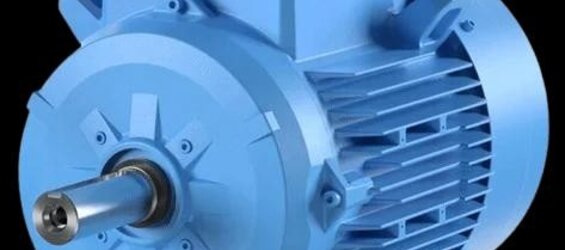
dv/dt and Reflected-Wave Overvoltage on Long Motor Cables The cable between a frequency inverter (VFD) and an asynchronous motor is a component that is often overlooked, yet it is ... More Details
When buying an electric motor, many businesses reach for a slightly larger frame "just to be safe." On the surface this feels prudent, but it quietly turns into a trap that drains ... More Details
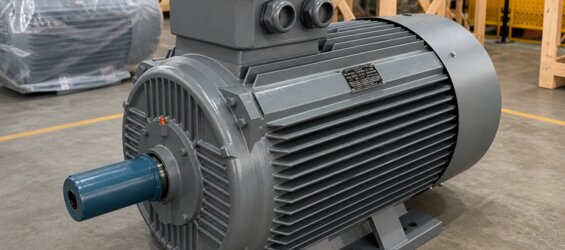
Shaft Voltage and Bearing Currents in VFD-Driven Motors Driving an asynchronous motor with a frequency inverter (VFD) brings major advantages in energy savings and flexible speed c... More Details
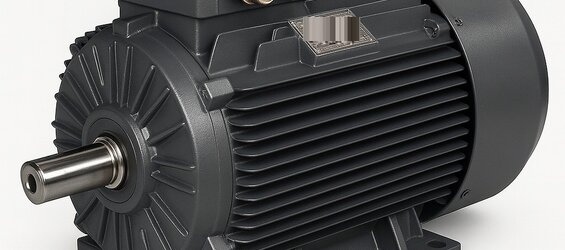
In an electric motor the housing directly determines heat dissipation, mechanical strength and service life. The two most common housing materials in industry are aluminum and cast... More Details
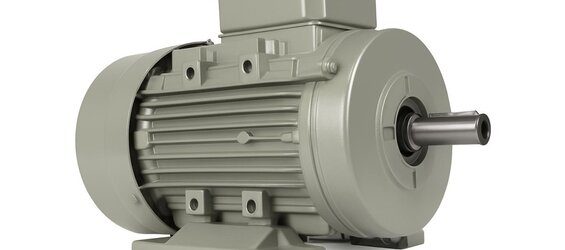
A three-phase electric motor runs on the rotating magnetic field created by alternating current from three separate phases, and is the most widely used motor type in industry. Unli... More Details
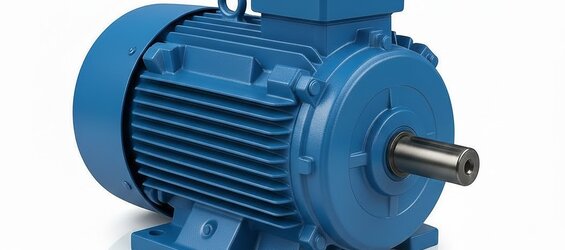
Bartın, a port city in Türkiye's Western Black Sea region, hosts timber and sawmilling, flour and feed mills, irrigation and food-processing operations. Their shared need is low-ma... More Details
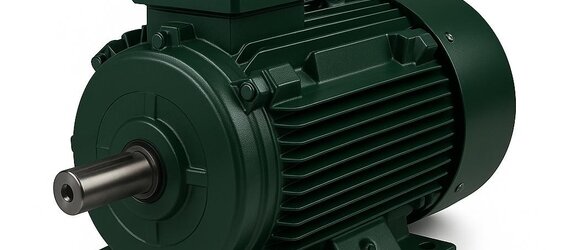
High-kW electric motors are the backbone of high-power applications such as cranes, crushers, large pump and fan systems, compressors and heavy production lines. For these motors, ... More Details
The correct operation of an electric motor depends not only on its power, speed and efficiency, but also on how it is mounted. The way the motor connects to the machine, that is th... More Details
When you look at the nameplate of an electric motor, you see that the power is sometimes written in kilowatts (kW) and sometimes in horsepower (HP). The speed is given as revolutio... More Details
The small metal plate on an electric motor is, in effect, that motor's identity card. Among the codes printed on this nameplate, perhaps the most asked about and the most critical ... More Details
Power plants, although they are facilities that generate electricity, also consume a large amount of electricity internally. Most of this consumption comes from the electric motors... More Details
Induction motors are divided, by rotor construction, into two broad families: the squirrel cage (short-circuited bar) rotor and the wound rotor (slip-ring) motor. From the outside ... More Details
Aggregate and quarry plants are among the most demanding operating environments for electric motors. In these plants, where tonnes of rock are crushed, screens vibrate constantly a... More Details
Induction motors are the most widely used sources of motion in industry, and at the heart of how these motors work lies the concept of slip. An induction motor can only produce tor... More Details