 English
 Türkçe

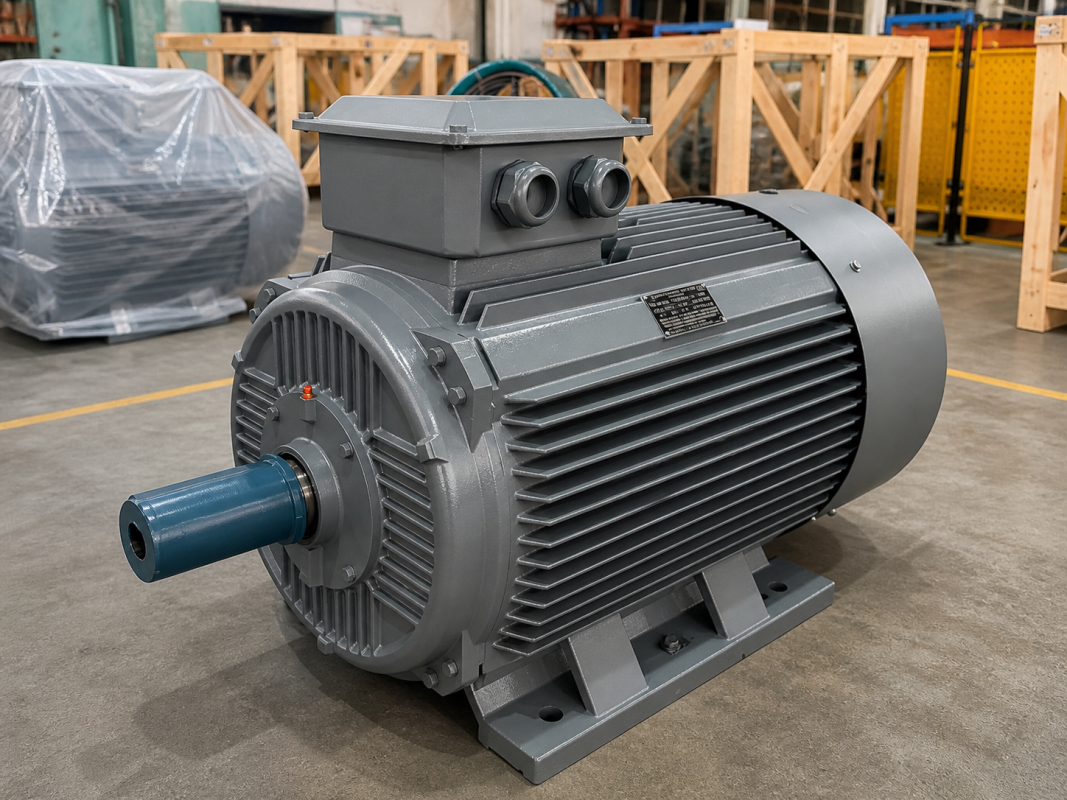

One of the most visible yet most often overlooked parts of an electric motor is the terminal box. This box, where the motor's electrical connection is made, is the critical point where the winding leads meet the supply cable. A correctly designed and correctly mounted terminal box protects the motor against moisture, dust and mechanical stress; when neglected, it becomes the place where short circuits, loose connections and insulation faults begin. In this article we examine the function of the motor terminal box, its relationship with the IP protection class, cable gland and conduit entries, sealing and correct mounting practices, drawing on DRG's manufacturing experience. Our articles on IP protection class selection and supply cable sizing are foundational resources that complement this subject.
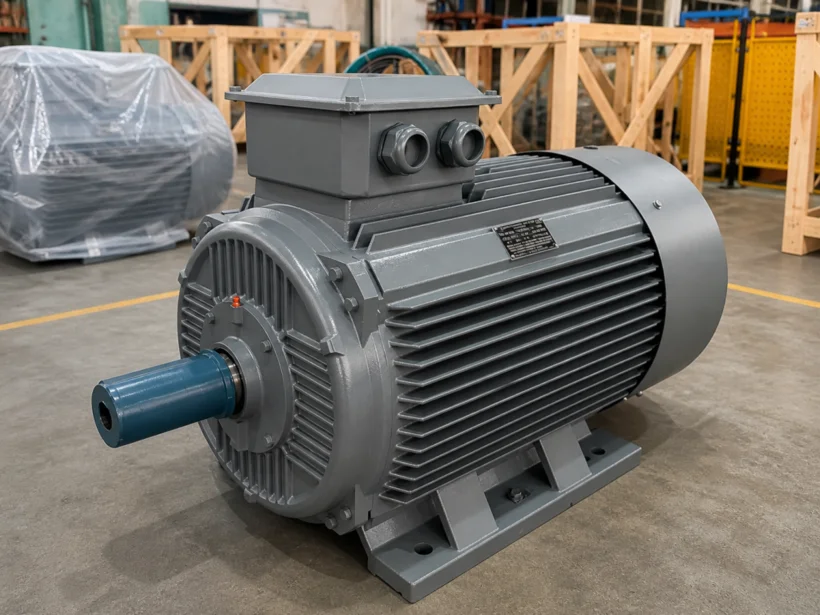
What Is a Terminal Box?
The terminal box is the enclosure where the leads of the motor windings are brought together and connected to the external supply cable. Inside it are the terminal block, connection links and the earth terminal. This box makes the electrical connection orderly, safe and accessible. At the same time it protects the internal connections from the effects of the external environment. The conductor leads coming from the winding are specially insulated where they enter the box and connected to the terminal block. This transition point is the boundary between the motor's inner world and the external electrical system; it is therefore one of the most sensitive regions both mechanically and electrically.
The Basic Functions of the Terminal Box
The terminal box performs three basic functions: connecting the winding leads safely to the external cable, protecting this connection from dust and moisture, and providing access for maintenance when needed. A well-designed box delivers these three functions together reliably. The size of the box must suit the number of connections and the cable cross-section.
Star and Delta Connection
In three-phase induction motors the terminal box allows a star (Y) or delta (Δ) connection to be made. The links on the terminal block determine the connection type. The correct link arrangement enables the motor to run suitably for the grid voltage. An incorrect connection can cause the motor to be damaged or fail to start.
The Relationship Between Terminal Box and IP Protection
The motor's IP protection class is determined not only by the frame but also by the terminal box. The box, together with its seal and cable entry, completes the protection level of the whole motor. A weak terminal box lowers the protection class even of a motor whose frame is well protected. IP protection class and terminal box selection should be evaluated together.
The Meaning of IP Protection Class Digits
The first digit in the IP code shows protection against solid objects and dust, the second digit protection against water. For example IP55 means protected against dust and resistant to water jets from any direction. The terminal box must be equipped with seals and entry elements suitable for the motor's targeted IP class. The table below summarises common IP classes.
| IP Class | Dust Protection | Water Protection | Typical Environment |
|---|---|---|---|
| IP44 | Objects over 1 mm | Splashing from any direction | General indoor |
| IP54 | Dust protected | Splashing from any direction | Dusty environment |
| IP55 | Dust protected | Low-pressure jets | Industrial site |
| IP65 | Dust tight | Low-pressure jets | Heavy dust/washdown |
| IP66 | Dust tight | Powerful water jets | Outdoor/washdown |
What Is a Cable Gland?
The cable gland is the connection element that provides sealing at the point where the supply cable enters the terminal box. The gland holds the cable mechanically, takes the pulling force and prevents dust and moisture from entering the box. Selecting the correct size of gland must suit both the cable diameter and the targeted IP class.
Conduit Entry
In some plants the cable is pulled through a protective conduit and enters the terminal box via a pipe connection. The conduit entry protects the cable against physical damage and is preferred especially in exposed installations. In a conduit entry too, sealing is achieved with a suitable threaded adapter and seal.
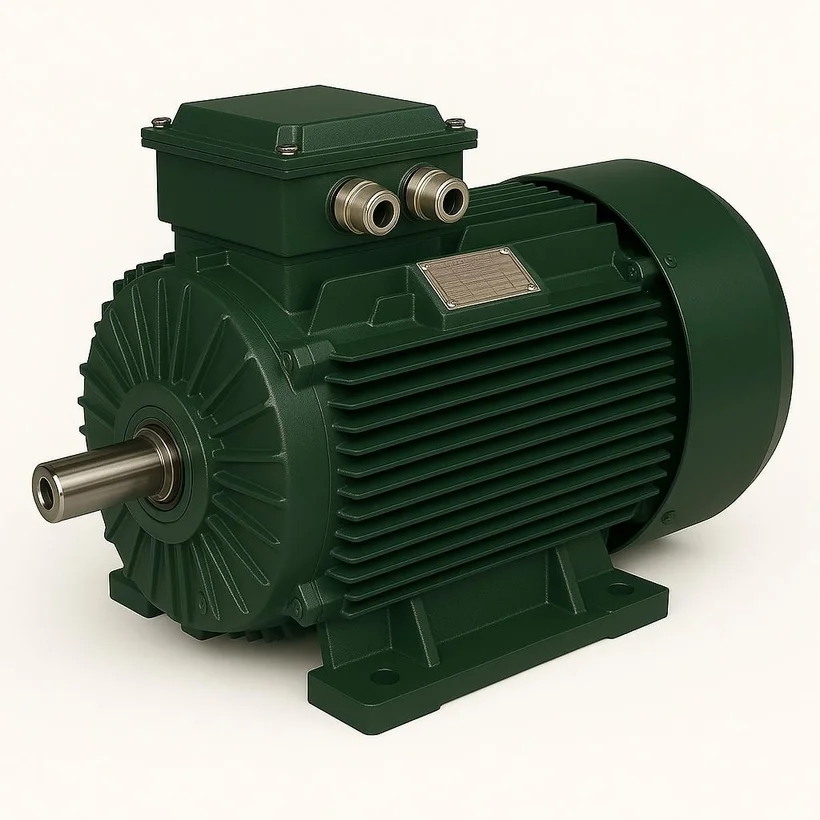
The Importance of Sealing and the Gasket
The gasket between the terminal box cover and the body is the main element determining the box's IP protection. A worn, missing or incorrectly seated gasket nullifies the protection class. A clean and sound gasket surface and correct tightening of the cover ensure the box maintains its declared protection level.
Terminal Connection Tightness
Tightening the terminal screws to the correct torque value is critically important. A loose connection increases contact resistance, which leads to heating, arcing and burning over time. Over-tightening, on the other hand, damages the terminal or the cable lug. Adherence to supplier torque values is the precondition for a safe, long-lasting connection. Using a torque wrench ensures the tightening value is based on measurement rather than guesswork. The lower the contact resistance at the connection, the less heat and loss produced at that point; this supports both safety and the motor's energy efficiency.
Earth Connection
The terminal box contains a separate earth terminal for the safe earthing of the motor frame. Correct earthing provides both personnel safety and protection against electrical faults. The earth connection must be made as carefully as the phase connections and checked regularly.
Protection Against Moisture and Condensation
Temperature changes can cause condensation inside the terminal box. Accumulated moisture weakens insulation and leads to corrosion. A sealed box, suitable breathing elements or a heater element reduces the condensation risk. Insulation class and moisture control should be evaluated together. Especially in conditions where the motor stands for a long time and the environment cools, the air trapped inside can remain humid; at first start this moisture can lower the insulation resistance. An anti-condensation heater prevents condensation by keeping the inside of the box above ambient temperature while the motor is stopped.
Protection Against Dust and Contamination
In dusty environments, the terminal box being dust-tight protects the insulation of the internal connections. Accumulated conductive dust increases the risk of short circuit. A high IP class box and the correct gland selection eliminate this risk. In dusty sites, industrial motors are usually selected with a higher protection class.
Cable Cross-Section and Entry Compatibility
The cross-section of the supply cable must suit the capacity of the terminal block and the gland. Too large a cable will not fit the gland or will break the seal; too small a cable cannot carry the current. Our article on supply cable sizing helps determine the correct cross-section.
Terminal Box Position and Orientation
The terminal box is usually located on top of or beside the motor and on many motors its orientation can be changed. The correct position eases cable entry and prevents water from filling the box. Making the cable entry from below or the side during mounting provides an advantage against rain and washdown water.
Closing Unused Entries
Unused cable entry holes in the terminal box must be closed with suitable plugs. A hole left open allows dust and moisture to enter, nullifying the entire protection class. This simple but critical step preserves the integrity of the box.
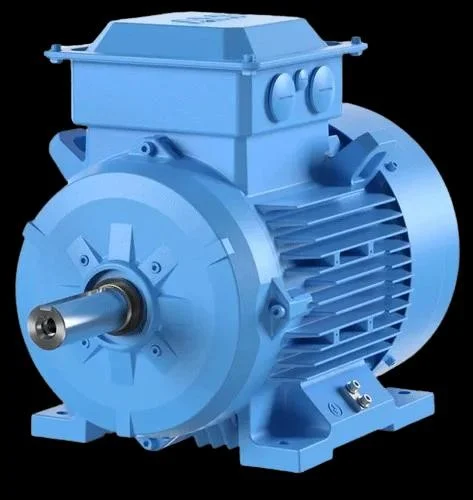
Correct Mounting Steps
Correct mounting begins with passing the cable through the gland, stripping it to a suitable length, fitting lugs, connecting it to the correct terminal and tightening to the torque value. Then the gasket is checked and the cover is closed properly. Each step determines the box's electrical and mechanical safety.
The Effect of Vibration on Connections
The vibration produced while the motor runs can loosen the terminal connections over time. For this reason connection tightness should be checked after first commissioning and during periodic maintenance. Vibration-resistant connection elements reduce the risk of loosening.
Monitoring Connection Temperature
Loose or poor connections cause local heating. Within the scope of motor temperature control, periodic thermal camera checks of the terminal region reveal problems early. Hot-spot detection provides the opportunity to intervene before a failure.
Terminal Box by Speed and Power Class
In high-power motors the terminal box is designed for larger cross-section cables and high currents. Terminal box capacity differs between high and low kW motors. The power class determines the box size and connection arrangement.
Terminal Box in Inverter-Fed Supply
In motors fed by a drive, the use of shielded cable and shield termination must be done correctly in the terminal box. EMC-compatible glands ensure shield currents are properly directed. Correct termination protects both the motor and surrounding equipment.
Special Boxes for Explosion-Risk Environments
In environments with a gas or dust explosion risk, the terminal box must be of a special design suited to the relevant protection method. These boxes are produced to prevent any spark that may form inside from spreading outside. The application environment directly determines the box type.
Maintenance and Periodic Inspection
The terminal box should be opened periodically; connection tightness, gasket condition, moisture and signs of corrosion should be checked. Regular maintenance prevents small problems from turning into major failures. Maintenance records make it easier to track the condition of the box.
Common Terminal Box Mistakes
Loose connections, a missing gasket, an open entry hole, the wrong gland size and over-tightening are the most common mistakes. Being aware of these mistakes improves mounting quality and reduces the failure risk. Correct practice directly increases motor reliability.
Corrosion and Material Selection
In corrosive environments the terminal box material and the gland material should be selected to resist the environment. A suitable coating or stainless material extends the life of the box. Material selection is a durability factor as important as IP protection.
Cable Entry in Cranes and Moving Applications
In moving or vibrating applications the cable entry is exposed to additional mechanical stress. In applications such as crane and lifting motors, using flexible cable and a robust gland preserves connection reliability. Supporting the cable reduces the load on the gland.
Terminal Protection in Dusty Heavy Drives
In dusty heavy drives such as mills and grinding, the terminal box must have high dust protection. In mill and grinding motor applications, a dust-tight box and correct sealing are the precondition for uninterrupted operation.
The Terminal Box's Contribution to Motor Life
A well-protected and correctly connected terminal box contributes to the motor's total life by reducing the risk of electrical failure. Protecting an efficient high-efficiency motor investment becomes possible by correctly handling these small but critical details from the start. The root cause of many motor failures lies not in the motor itself but in a neglected terminal connection or a deteriorated gasket. The care given to the terminal box therefore means directly protecting the investment made in the motor.
Terminal and Winding Integrity
A moisture or contamination problem in the terminal box can, over time, also damage the winding insulation. Protecting the box is indirectly protecting the winding. This integrity mindset secures the motor's electrical health for a long time.
Single Entry and Multiple Entry Arrangements
In some motors a single supply cable entry is sufficient, while auxiliary circuits (thermal protection, heater element, encoder) may require additional entries. In a multiple entry arrangement each entry must be sealed separately and arranged so as not to mix. Auxiliary circuit cables are kept separate from the power cable to reduce electrical interference.
Cable Lug and Termination Quality
Correctly fitting the cable end with a lug determines the reliability of the terminal connection. A poorly crimped or incorrectly sized lug increases contact resistance and leads to heating. The suitable lug size, the correct crimping tool and proper tightening are the basis of termination quality. In multi-strand cables, gathering the wire ends without them spreading also supports connection soundness.
Internal Air Gap and Clearances
Inside the terminal box, the insulation clearances between phase conductors and between phase and body must suit the operating voltage. Insufficient clearance increases the risk of flashover in the presence of moisture or dirt. The box being sufficiently spacious ensures both safe clearances and comfortable mounting. The box size is therefore evaluated together with the cable cross-section and voltage level.
Final Checks Before Commissioning
Before running the motor for the first time, the correctness of the terminal connections, the suitability of the link arrangement for the voltage, the soundness of the earthing and the sealing of the cover should be checked. An insulation resistance measurement confirms that the winding and connections are healthy. These final checks ensure a safe start to commissioning.
Box Customisation by Field Conditions
Special environments such as offshore, chemical plants, food washdown lines or near high-temperature furnaces require different materials and protection in the terminal box. By analysing field conditions, the box, gasket and gland selection are customised accordingly. The correct customisation enables the motor to run long even in demanding environments.
Cover Design and Ease of Access
The terminal box cover being easy to open and close shortens maintenance time. However, easy access must not compromise sealing. A good cover design offers quick access together with safe sealing. Regular checking of the cover screws and gasket maintains the box's protection performance.
Labelling and Connection Diagram
Labelling the terminal leads with standard markings and having a connection diagram inside the box ensures a correct and quick connection. A wrong phase order or link arrangement causes the motor to run in reverse or operate incorrectly. Clear labelling reduces the risk of error during both mounting and maintenance.
DRG Motor for Terminal Box Solutions
DRG offers terminal boxes in the IP protection class suited to the application, the correct cable gland and robust sealing solutions in the AC induction motors it supplies. In dusty, humid or moving sites, we determine together the correct box type that will secure your motor's electrical connection. The correctly selected terminal box is the silent but strong guarantee of your motor's reliability. Get in touch with the DRG engineering team about terminal box, IP protection and cable entry; let us keep your motor's connection as safe as on the first day.