 English
 Türkçe

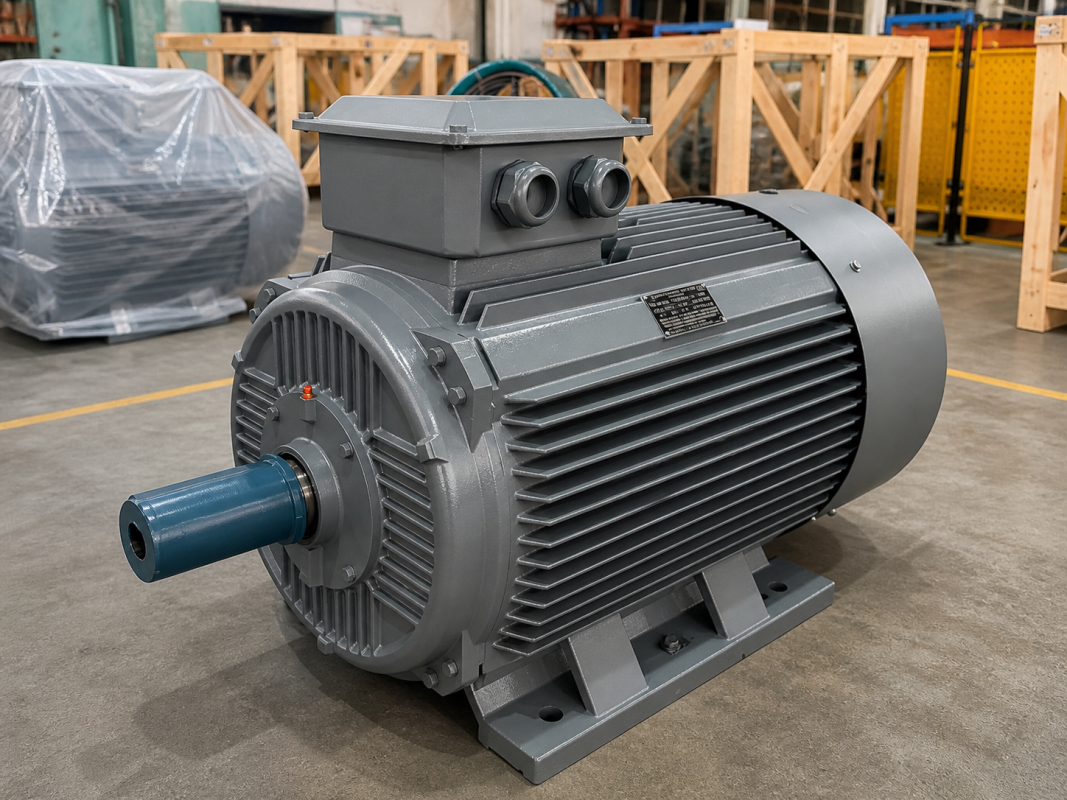

The lifespan of an electric motor largely depends on choosing the right electrical equipment to power and protect it. No matter how high the quality of the motor itself, if a suitable protection scheme is not set up against faults such as overload, phase loss, voltage unbalance, short circuit or earth leakage, the motor will be damaged sooner or later. This is exactly where the motor protection relay comes into play: it continuously monitors the motor, opens the circuit when it detects an abnormal condition, and protects both the motor and the installation. In this article we examine the selection, setting, fuse and contactor coordination, and the coordination between protection elements of the motor protection relay, drawing on DRG Motor's field experience.
What is a motor protection relay?
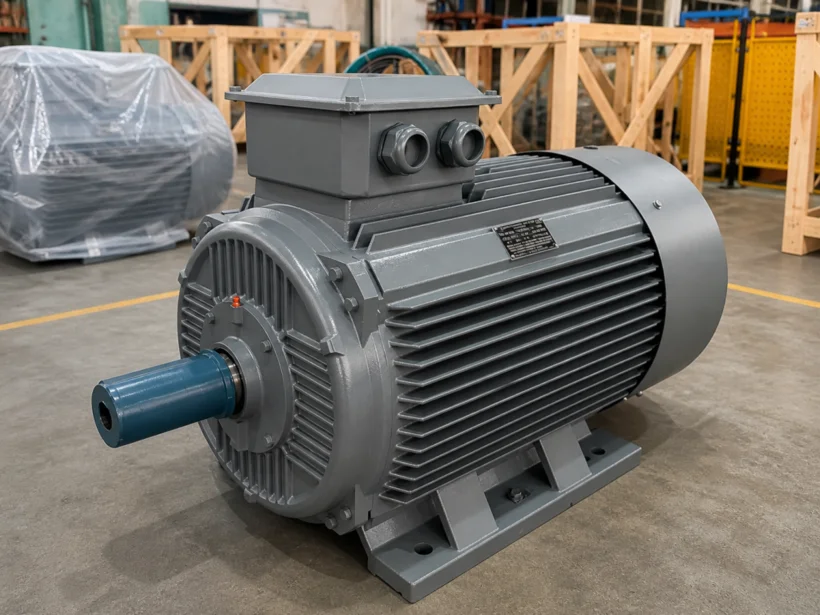
A motor protection relay is a protective device that monitors the current and, if necessary, the voltage going to the motor and interrupts the control circuit when defined limits are exceeded. It is available across a wide range, from classic thermal relays to microprocessor-based digital protection relays. The fundamental aim is to protect the motor from electrical and thermal stresses.
Why is motor protection necessary?
Electric motors cannot protect themselves in unexpected situations; they continue to draw current under overload and to run under strain during phase loss. These conditions raise the winding temperature rapidly and degrade the insulation. Without a proper protection scheme, a simple fault can turn into an expensive motor replacement. To review the basic working principle of the motor, see our article on what an electric motor is.
Main types of faults
The electrical faults that threaten a motor fall into a few main categories: overload (thermal strain), phase loss, phase-sequence error, voltage unbalance, short circuit and earth leakage. Each type of fault is addressed by a different protective device or by a different function of the relay.
The common feature of these faults is that most of them develop without giving any visible warning. While overload slowly raises the winding temperature, phase loss can reach a dangerous point within seconds; a short circuit, on the other hand, instantly produces very high currents. Because of these different time scales, a single protective device cannot address every fault. For this reason, a well-designed motor circuit consists of complementary protection elements, each focused on a different danger. This layered approach keeps the motor safe in every scenario.
Protection functions and device mapping
The table below summarizes the main fault types and the protection elements that address them. Modern digital motor protection relays combine most of these functions in a single device.
| Protection function | Addressing device / setting |
|---|---|
| Overload / thermal strain | Thermal relay or digital relay overload setting (per rated current) |
| Phase loss | Phase protection relay / phase-loss function of the digital relay |
| Voltage / current unbalance | Unbalance protection function (asymmetry threshold) |
| Short circuit | Motor protection circuit breaker or gG/aM fuse |
| Earth leakage | Residual current relay or earth-leakage function |
| Locked rotor / extended start | Start-time supervision of the digital relay |
How the thermal relay works
The thermal overload relay monitors the motor current through bimetallic strips. When the current flows above the rated value, the bimetal heats up and bends, and after a certain time opens the control contact. This time depends on the magnitude of the current: the higher the current, the faster the trip. Because this behavior imitates the actual thermal behavior of the motor, it is called "inverse-time-delay" protection.
Correct setting of the thermal relay
The thermal relay is set according to the motor's rated current (nameplate current). The setting value is generally chosen equal or very close to the motor's full-load current. If set too high, the motor is not adequately protected; if set too low, unnecessary trips occur under normal load. The correct setting is made on the basis of the current value on the motor nameplate.
When making the setting, the ambient temperature in which the motor operates should also be considered. Since the cooling of a motor running in a hot environment becomes more difficult, the protection can be set a little more sensitively. In addition, the temperature inside the panel where the relay itself is located can affect the bimetal behavior; for this reason, temperature-compensated (ambient-independent) relays are preferred in critical applications. After the setting value is determined, measuring the motor's actual operating current during commissioning and confirming the setting against this measurement prevents nuisance trips.
The importance of overload protection
Overload is the most common cause of motor failures. A mechanical jam, an increase in load or bearing wear causes the motor to draw excessive current. Overload protection takes the motor out of service in these situations and prevents the winding from burning out. This is the fundamental task of the thermal relay.
Phase-loss protection
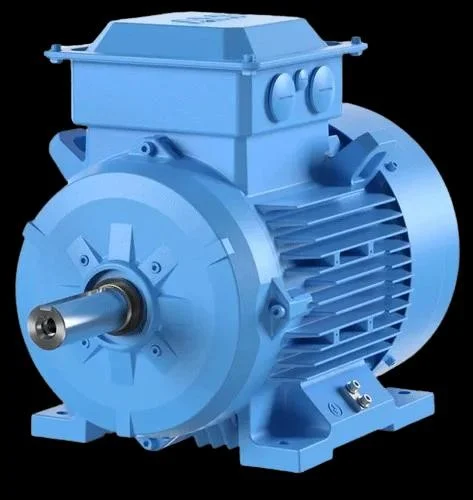
When one of the phases is lost in a three-phase motor, the remaining two phases draw excessive current and the motor heats up rapidly. This condition can burn the winding within minutes. Phase-loss protection takes the motor out of service instantly in such a situation. Modern protection relays include this function as standard.
Voltage-unbalance protection
The voltage difference between phases causes additional heating and efficiency loss in the motor. Even a small unbalance can noticeably raise the winding temperature. The effect of voltage unbalance is serious; for this reason, relays with unbalance protection should be preferred.
Short-circuit protection
A short circuit is the sudden flow of very high currents and can cause major damage within milliseconds. The thermal relay cannot react this quickly; a motor protection circuit breaker or appropriate fuses are used for short-circuit protection. These elements interrupt the short-circuit current in a very short time, protecting both the motor and the cables.
When selecting a short-circuit protection element, it must have a capacity (breaking capacity) able to safely interrupt the highest short-circuit current that could occur in the circuit. An element with insufficient breaking capacity can itself be damaged in a large short circuit and fail to perform its protective duty. For this reason, short-circuit protection must be sized according to the characteristics not only of the motor but of the entire supply line and busbar system.
Earth-leakage protection
Deterioration of the winding insulation leads to leakage current seeping into the body. This creates both a fire and an electric-shock risk. Earth-leakage protection and proper grounding eliminate these risks. The residual current relay detects leakage by monitoring the current difference between phase and neutral.
Locked rotor and start-time supervision
The motor draws high current at start-up, and normally this current drops in a short time. If the rotor cannot turn because of a jam, the current stays high; this is called a locked rotor. Digital protection relays detect this condition by monitoring the start time and protect the motor. Our article on inrush current offers detail on the subject of starting current.
The fuse-contactor-relay trio
A motor supply circuit typically consists of three basic elements: the fuse or circuit breaker providing short-circuit protection, the contactor that switches the motor on and off, and the thermal relay that monitors overload. When this trio works in harmony, each type of fault is addressed by the relevant element. Panel and contactor selection forms the foundation of this harmony.
Contactor selection and compatibility
The contactor is selected according to the motor's rated current and operating class (such as AC-3). It must have the capacity to withstand the motor's starting current and switching frequency. A wrongly selected contactor experiences problems such as early wear and welding of its contacts.
Fuse-type selection
aM (motor protection) or gG characteristic fuses are generally used in motor circuits. While aM fuses withstand the motor's high starting current, they provide fast tripping during a short circuit. The fuse value is chosen so that it does not trip on the starting current but protects during a short circuit.
What is selectivity?
Selectivity is the principle that, in a fault condition, only the protection element nearest to the fault trips, while the upstream protection elements remain in service. Thus a fault in one motor does not cut power to the whole installation; only the relevant motor is taken out of service. This is critical for the continuity of operation.
The logic of coordination
Protection coordination ensures that the tripping characteristics of the protection elements at different levels are compatible with one another. The relay at the lower level must trip faster than the breaker at the upper level. When this hierarchy is correctly established, the element closest to the fault point interrupts the circuit and unnecessary wide outages are prevented.
To establish coordination correctly, the time-current curves of the protection elements must be evaluated together. In a motor circuit, the thermal relay next to the motor addresses low-current overloads, while the upstream breaker interrupts high-current short circuits. Keeping the two curves from overlapping ensures that each fault is addressed by the correct element and in the correct order. If an installation has dozens of motors, this coordination must be considered throughout the entire panel hierarchy; consistent selectivity must be established between the main incomer, the distribution and the motor outgoers.
Type 1 and Type 2 coordination
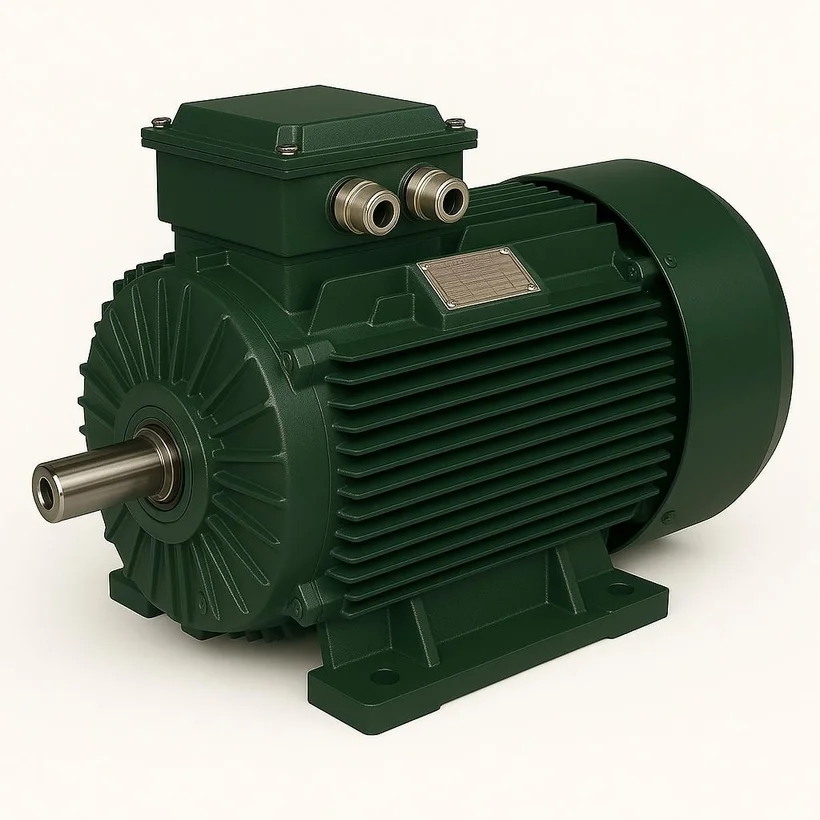
Standards classify coordination according to the behavior of the protection elements in a short-circuit condition. In Type 1 coordination, the contactor and relay may be damaged but cause no harm to their surroundings. In Type 2 coordination, these elements remain reusable after the fault. Type 2 coordination is preferred in critical installations.
Advantages of digital protection relays
Microprocessor-based digital relays combine many protection functions in a single device; their setting precision is high and they can keep fault records. Because they can show which fault occurred at which moment, they facilitate maintenance and diagnostic processes. They are more flexible and informative than the classic thermal relay.
Another important advantage of these relays is that they can compute the motor's thermal state through a software model. The relay estimates how hot the winding is by tracking the motor's past operating current; thus it also takes into account the heat accumulated during successive starts. Thanks to this thermal memory, a motor that stops and starts at short intervals is protected according to its actual thermal state. Furthermore, many digital relays can be connected to a central monitoring system over a communication line; this makes it possible to monitor motors remotely in large installations and to notice faults early.
Motor thermistor protection (PTC)
In some motors, PTC thermistors are embedded directly in the windings. These sensors measure the winding temperature directly and, when a certain temperature is reached, stop the motor through a relay. Unlike current-based protection, it monitors the actual winding temperature and is therefore one of the most reliable thermal-protection methods.
Protection with a frequency inverter
If the motor is driven by a frequency inverter, the drive itself contains many protection functions. However, this does not mean external protection is unnecessary. The drive and the protection relays complement each other. The use of a frequency inverter also affects the protection strategy.
Protection in star-delta circuits
In circuits using star-delta starting, the correct placement and setting of the thermal relay is important. In a star-delta connection arrangement, the relay is set to a different value depending on whether it measures the phase current or the line current.
Protection in industrial applications
Different applications such as cranes, conveyors, pumps and fans require different protection approaches. For example, the protection settings for a frequently starting crane motor are made differently from those for a continuously running conveyor motor. In general, protection for industrial electric motors is determined according to the load profile of the application.
The effect of harmonics on protection
The harmonics that occur in drive-fed systems can affect current measurement and therefore the behavior of the protection relay. Harmonic effects make it necessary to use relays that measure the true effective (RMS) value.
Steps in selecting a protection relay
A correct protection-relay selection begins with the motor's technical data. First, the motor's rated current, power, starting current and operating class are determined. Then the protection functions required by the application are listed: is overload alone sufficient, or are phase-loss, unbalance and earth-leakage protections also needed? Once these needs are determined, a relay that covers the required functions and matches the motor's current range is selected. In the final step, the compatibility between the relay, contactor and fuse is verified; manufacturers' coordination tables are a guide in this matching.
Common mistakes and how to avoid them
The most common mistakes seen in the field are setting the thermal relay to the wrong current, undersizing the contactor, skipping phase-loss protection and ignoring coordination. Each of these mistakes leads to early motor failure or unnecessary outages.
Periodic testing and maintenance
Regular testing of the protection elements ensures they operate as expected at the moment of a real fault. Checking the relay settings, inspecting the contact condition and running the test functions are necessary to maintain a reliable protection scheme.
Protection elements can wait for years without ever tripping; for this reason, whether they actually work can only be understood through periodic tests. During testing, the relay's tripping function is tried, the contactor contacts are inspected for wear, and the tightness of the connection terminals is checked. A loose terminal can heat up over time, leading both to measurement error and to a fire risk. Recording these checks makes it possible to track the condition of the protection scheme over time and to spot possible deterioration early.
The returns of a correct protection scheme
A well-selected and correctly coordinated protection scheme extends motor life, reduces unexpected outages, increases operating safety and lowers maintenance costs in the long run. Protection is not a cost item but an insurance that safeguards the investment made in the motor.
DRG Motor for safe motor applications
DRG Motor considers its asynchronous motors together with the right protection and control solutions. DRG Motor offers engineering support for motor selection suited to your application's load profile, thermal-protection options and panel design. To put your motor under correct protection from the very beginning and achieve a long, trouble-free operating life, get in touch with the DRG Motor team.