 English
 Türkçe

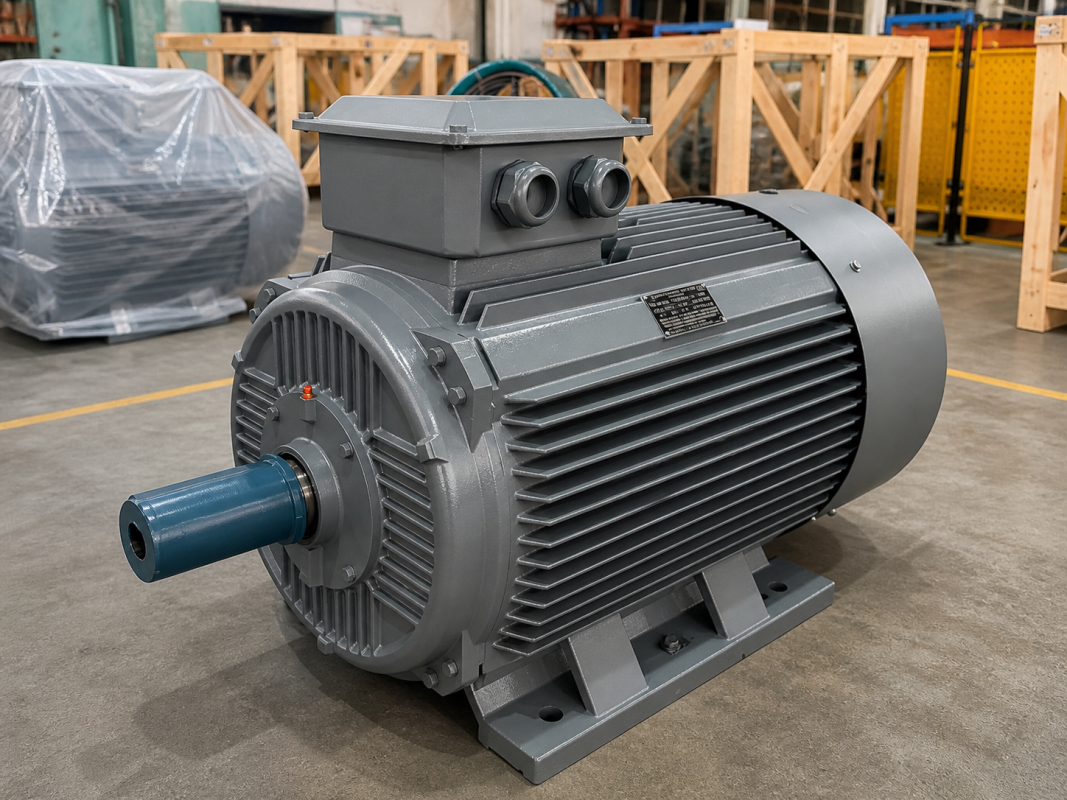

Mills and grinding plants are used to reduce and pulverize a huge range of materials, from grain to cement and from ore to spices. Inside these plants, the material is crushed between hard grinding elements, a process that demands high torque and exceptional durability. At the heart of this demanding job sits the electric motor that drives the grinding action. So how do you choose the right electric motor for mills and grinding plants?
In this article, DRG Motor looks at the torque, power and durability criteria that govern motor selection for milling and grinding applications. For similar high-torque uses you may also want to read our article on stone crushing plant motors.
The Demanding Nature of Grinding
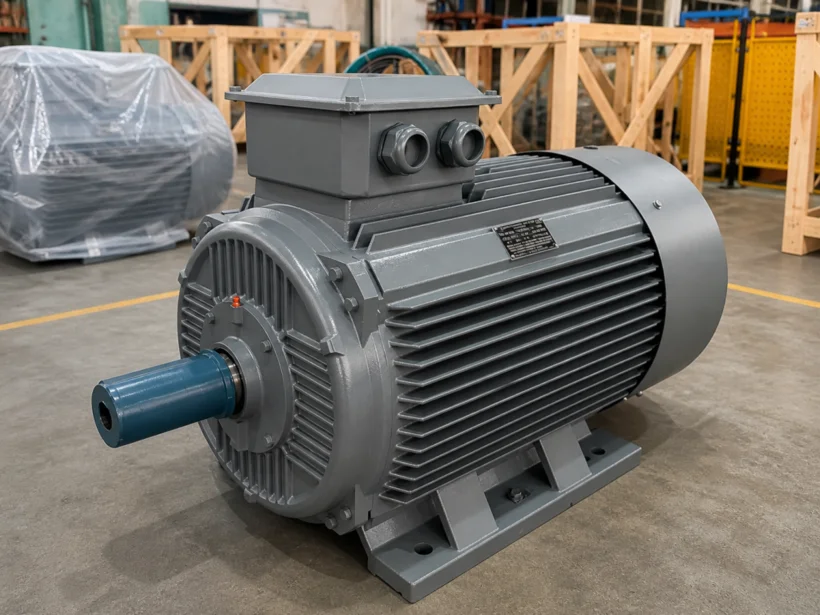
Grinding reduces material by crushing it between hard elements, and this calls for continuous, high force. The motor has to turn the grinding elements under heavy load, which means high torque and real durability. Grinding is among the toughest tasks an electric motor can face.
This demanding nature requires a high-quality, powerful motor. The right motor keeps the grinding process running without interruption.
The Need for High Torque
Mill motors demand high torque, especially when they start up while the mill is already full. Setting the grinding elements and the material in motion requires a strong breakaway torque. Insufficient torque means the mill simply cannot start. High torque is the fundamental requirement of a grinding motor.
The right torque lets the mill run safely even under load, which translates directly into uninterrupted grinding.
Low Speed and High Torque
Grinding applications generally favor low-speed, high-torque motors. Low speed turns the heavy grinding elements slowly but powerfully, allowing the material to be reduced effectively. In milling, low speed means power.
We explain the relationship between speed and pole count in our article on pole count and speed. Low speed delivers the high torque grinding needs.
Using a Gearbox
Mills frequently use a gearbox to reduce the motor's speed and boost its torque. The gearbox lets the grinding elements turn slowly and powerfully. The correct motor-gearbox match is the foundation of grinding performance, and this combination is what makes heavy grinding possible.
We cover motor-gearbox matching in our article on motor and gearbox compatibility. The gearbox is critical in grinding.
Continuous and Heavy Load
Grinding plants most often run continuously and at full load. This constant load stresses and heats the motor without pause. For that reason, the motor must be built for continuous duty and be genuinely robust. Sustained heavy load demands a quality motor.
Continuous operation tests a motor's resistance to heat, which is why durability matters so much in a grinding motor.
Dust and a Harsh Environment
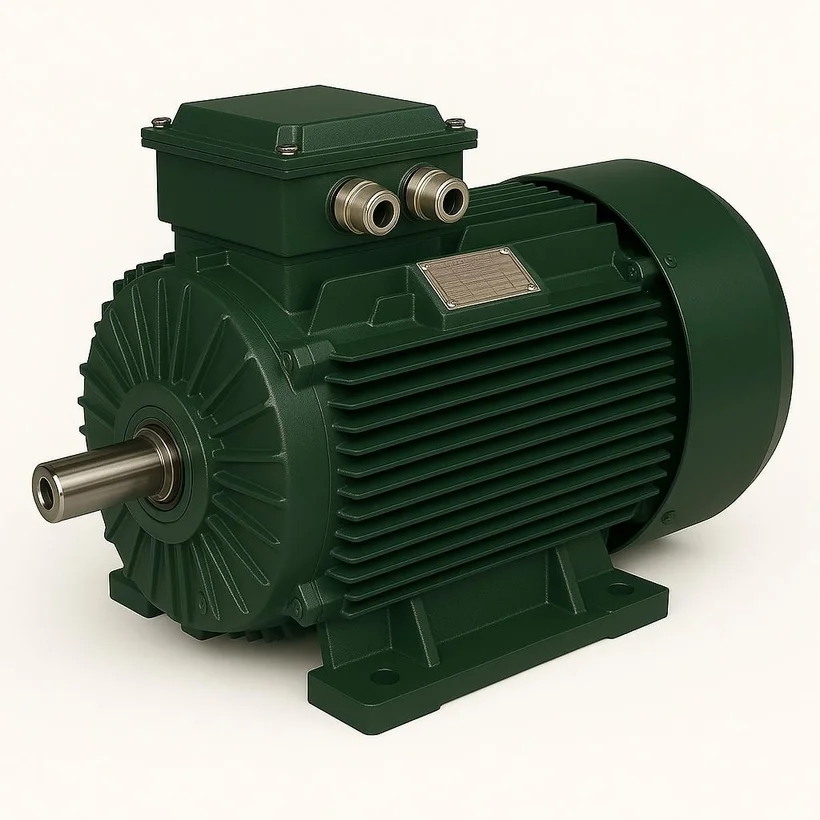
Grinding generates intense dust that blocks the motor's cooling and can damage the windings. Grinding motors therefore need a high IP protection class. Proper protection shields the motor from dust, which in turn delivers long service life.
We explain how to choose a protection class in our article on IP protection class selection. Dust protection is critical in grinding.
Cast Iron Housing
The vibrating, demanding conditions of grinding plants require a sturdy housing. A cast iron body protects the motor from impact, vibration and dust, and this is what gives a grinding motor its long life. A solid housing is the foundation of durability in grinding.
We explain the advantages of a cast iron body in our article on the cast iron electric motor. A solid housing is important in grinding.
Sudden Load Changes
During grinding, changes in the material flow can cause sudden load fluctuations. A hard piece or a blockage stresses the motor instantly. The motor must withstand these changes without strain. A durable motor handles sudden loads safely.
We explain overload protection in our article on overload protection. The right protection manages sudden loads.
High Starting Current
Grinding motors draw both high torque and high current at start-up. This current stresses both the motor and the supply network, which is why appropriate starting methods are used. Soft starting reduces the strain of start-up and protects the motor.
We explain soft starting in our article on soft starting. A gentle start is valuable in grinding.
Cooling and Heating
Grinding motors that run continuously at high load generate serious heat. Adequate cooling and a motor that runs cool work safely under these conditions. Overheating shortens a motor's life, so heat management is essential.
We discuss heat control in our article on electric motor temperature control. Good cooling protects a grinding motor.
Efficiency and Energy Cost
Because grinding plants consume a great deal of energy, motor efficiency directly affects operating cost. High-efficiency motors do the same work with less energy. In grinding plants that run continuously and at high power, these savings become substantial. In milling, efficiency turns straight into profit.
We cover efficiency classes in our article on high-efficiency electric motors. Efficiency lowers cost in grinding.
Cement and Mining Mills
The mills in cement and mining plants grind extremely heavy and abrasive materials. These applications demand the highest torque and durability. Dusty, harsh conditions also require a high protection class. The right motor runs safely in these demanding plants.
We discuss the challenges of heavy industry in our article on motor challenges in heavy industry. Mining mills are among the most demanding applications of all.
Grain and Food Mills
Grain and food mills are applications that require both high torque and hygiene. In environments that produce combustible dust such as flour, an explosion-proof design may also be necessary. Here, both power and proper protection matter. The right motor secures the safety of a food mill.
We explain hazardous-area motors in our article on the explosion-proof electric motor. Flour mills may require special protection.
A Common Question: How Much Power?
The power of a mill motor is determined by the hardness and quantity of the material to be ground and the desired degree of fineness. Too little power slows the grinding; too much creates unnecessary cost. The right power delivers efficient grinding and forms the basis of a correct selection.
You can find power options in our power (kW) and speed table. The right power is the foundation of grinding efficiency.
Balanced Rotor and Vibration
Grinding motors must run vibration-free with a well-balanced rotor. Motor vibration added on top of the grinding process's own vibration wears the system out quickly. A balanced rotor and quality bearings keep vibration to a minimum, extending the life of both the motor and the mill.
We explain vibration reduction in our article on reducing noise and vibration. A balanced motor is important in grinding.
Maintenance and Continuity
In a grinding plant, a stopped motor halts production and creates major cost. That is why regular maintenance and spare-motor planning are important. Routine maintenance keeps the motor running safely under demanding conditions and supports production continuity.
We explain maintenance principles in our article on electric motor maintenance steps. Regular maintenance protects a grinding motor.
A Total Cost Perspective
In selecting a grinding motor, a cheap but flimsy motor proves expensive through frequent failures and lost production. A quality, powerful and efficient motor is the most economical choice over the long run. This is why a total cost perspective matters. The right motor delivers both power and economy.
Under harsh conditions, quality translates directly into production continuity, which shows the real value of a quality motor in grinding.
Sourcing a Mill Motor from the Right Supplier
It is important to buy a mill motor from a reliable supplier that understands the requirements of heavy applications. A trustworthy dealer recommends a high-torque, durable motor that ensures both efficient grinding and continuity. The right supplier matters in grinding.
We explain how to choose the right supplier in our article on choosing an electric motor dealer. A reliable source means the right motor.
Ball Mills
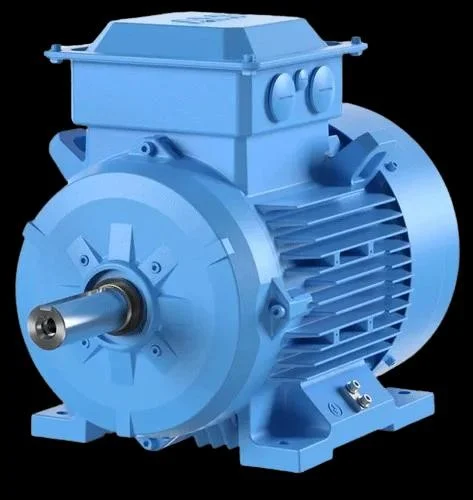
Ball mills are heavy machines that grind material with the balls they contain. They demand very high torque to drive their rotating, heavy drum. The motor must be powerful enough to turn this heavy drum under load. The right motor allows a ball mill to run safely.
Ball mills are among the highest-torque grinding applications, which makes a powerful motor essential.
Hammer Mills
Hammer mills break material with rapidly rotating hammers. These machines require both high speed and adequate power. It is important that the motor withstands sudden load changes. The right motor keeps a hammer mill running efficiently.
In hammer mills, sudden impacts stress the motor, which is why a durable motor is preferred.
Screening and Classification
In grinding plants, the ground material is screened and classified. These screening systems also run on electric motors. Screening motors must operate continuously and smoothly. The right motor keeps the screening process running efficiently.
Screening is a complementary part of the grinding line, and it too requires a reliable motor.
Conveying and Feeding
In grinding plants, material is transported by conveyors and fed into the mill. These conveying and feeding systems also run on motors. When every motor on the line works in harmony, grinding continues without interruption. The right motor selection matters for the entire line.
We discuss conveyor motor selection in our article on conveyor and belt motor selection. Feeding is where grinding begins.
Control with a Frequency Inverter
Some grinding applications require the grinding speed to be adjusted to suit the material. A frequency inverter provides this speed control and a soft start, which means both efficiency and motor protection. The inverter brings flexibility to grinding.
We explain the advantages of the inverter in our article on the frequency inverter and energy saving. Speed control is valuable in grinding.
Winding Quality and Power
A grinding motor's ability to produce high torque consistently depends on quality copper windings. Quality windings heat up little and work efficiently even under high load, while low-quality windings wear out quickly under demanding conditions. This is why winding quality matters.
We explain the importance of winding quality in our article on rotor copper-wound electric motors. Quality windings mean power in grinding.
The Strength of Three-Phase Motors
The high power demand of grinding plants is almost always met with three-phase motors. Three-phase motors produce high torque in a balanced way and run vibration-free, which makes them the standard in grinding. Three phases are the power behind grinding.
We explain why industry prefers three-phase in our article on three-phase electric motors in industry. Three-phase power is indispensable in grinding.
Starting Methods
Large grinding motors draw very high current at start-up. A star-delta starter or soft starter limits this current and protects the motor. Correct starting reduces start-up strain and extends the motor's life.
Correct starting protects both the motor and the supply network, which means a safe start in grinding.
Wear and Spare Parts
In a heavy application like grinding, some motor parts wear over time, particularly the bearings. This is why spare-part and spare-motor planning is important. A motor in standard dimensions allows quick replacement, which secures production continuity.
We explain how to extend bearing life in our article on extending bearing life. Keeping spares is important in grinding.
Managing Energy Cost
Grinding plants are among the most energy-intensive facilities in industry. Managing energy cost with efficient motors is therefore critical. A high-efficiency motor delivers significant savings across the year, boosting the competitiveness of a grinding plant.
We discuss the return on switching to an efficient motor in our article on the payback period of an efficient motor. Efficiency is strategic in grinding.
Efficiency with Next-Generation Motors
Replacing inefficient motors in old grinding plants with next-generation efficient motors delivers major energy savings. Next-generation motors are both more efficient and more durable. In continuously running grinding plants, this changeover pays for itself quickly. Modern motors provide an advantage in grinding.
We explain the advantages of next-generation motors in our article on next-generation electric motors. Next-generation means efficiency in grinding.
Production Continuity
In a grinding plant, a stopped motor affects the entire production line. This is why motor reliability is critical. Quality, durable and correctly selected motors secure this continuity. A reliable motor is the foundation of a grinding plant.
Production continuity means direct profit for grinding plants, and the right motor ensures it.
Suitability for the Duty Cycle
Grinding plants generally run continuously, so the motors must suit continuous duty (S1). A motor designed for intermittent duty struggles in continuous grinding. The correct duty rating ensures the motor matches the application, which means long life.
We discuss the duty cycle in our article on nameplate details. The correct duty rating is important in grinding.
The Benefit of the Right Motor Choice
A correctly selected grinding motor delivers high torque, durability, efficiency and continuity. These benefits keep the grinding process running uninterrupted and economically. The wrong motor, by contrast, means constant breakdowns and lost production. The right choice is the foundation of grinding.
The right motor determines both the efficiency and the continuity of a grinding plant together, and that is the result of a deliberate choice.
The Right Choice with Expert Support
Mill motor selection gives the best result when made with an expert who understands the difficulty of the material and the application. The expert identifies the motor best suited to your plant and material. The right support secures both performance and continuity. Expert evaluation is the key to a correct selection.
At DRG Motor, we provide technical support in motor selection for your mills and grinding plants. The right choice delivers powerful, uninterrupted grinding.
DRG Motor for Mills and Grinding Plants
At DRG Motor, we offer high-torque, durable, cast iron-bodied and efficient motors for mills and grinding plants. Our aim is to keep your grinding process running uninterrupted, powerful and efficient. By evaluating your material, capacity and operating conditions, we recommend the motor best suited to you.
To choose the right motor for your mill or grinding plant and to receive technical support, you can contact DRG Motor and review our range on our products page. The right grinding motor is the guarantee of your plant's powerful, uninterrupted operation. You can also explore our full catalogue on our homepage.