 English
 Türkçe

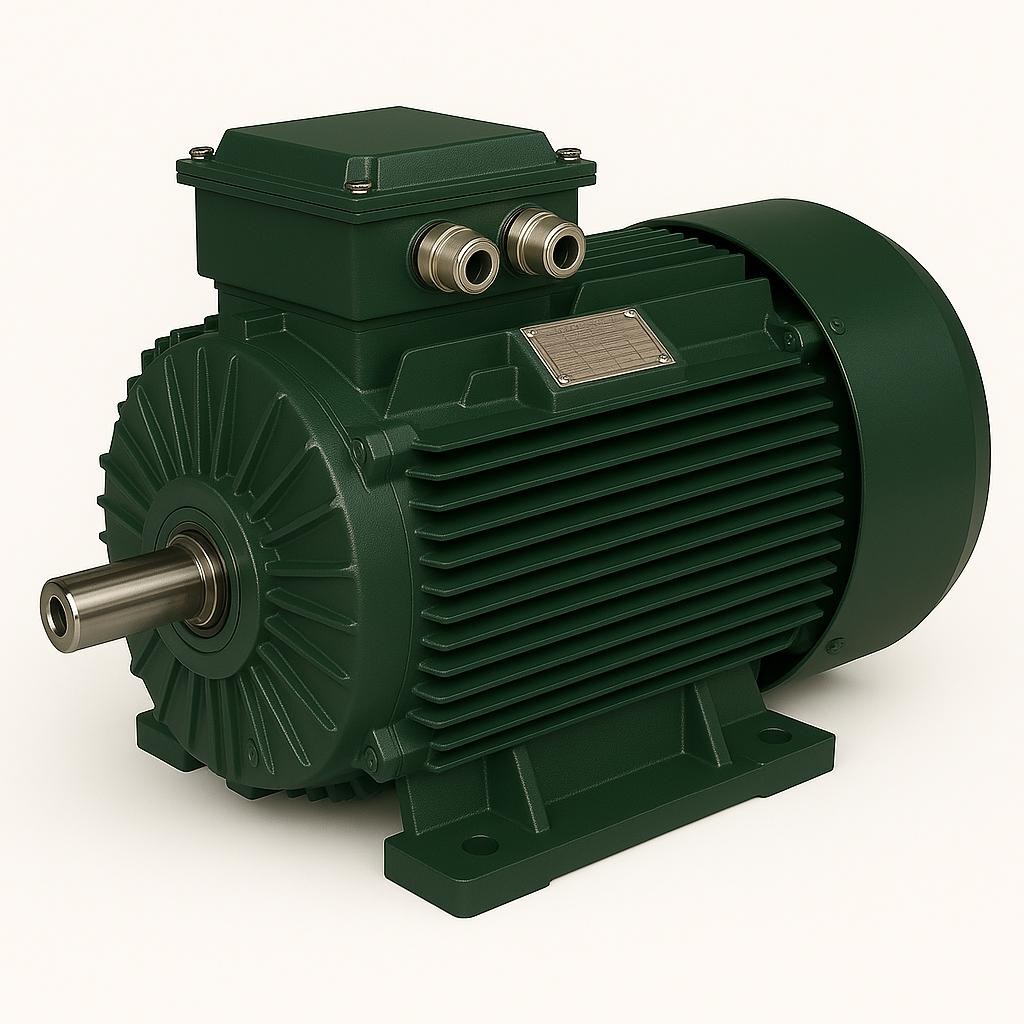

Mineral processing plants, where raw ore extracted from underground is turned into valuable mineral, host one of the harshest working environments in heavy industry. Abrasive pulp, constant humidity, fine mineral dust and a production tempo that never stops test every piece of equipment used in these facilities. The consecutive processes of crushing, grinding, screening, flotation and pumping are all driven by electric motors. Motor selection in mineral processing and flotation plants requires meeting all the severe conditions at once: endurance under continuous heavy duty, protection against an abrasive and humid environment, high torque and reliability. At DRG Motor, we examine the motor needs of this demanding sector and the decisive impact of the right choice on plant efficiency.
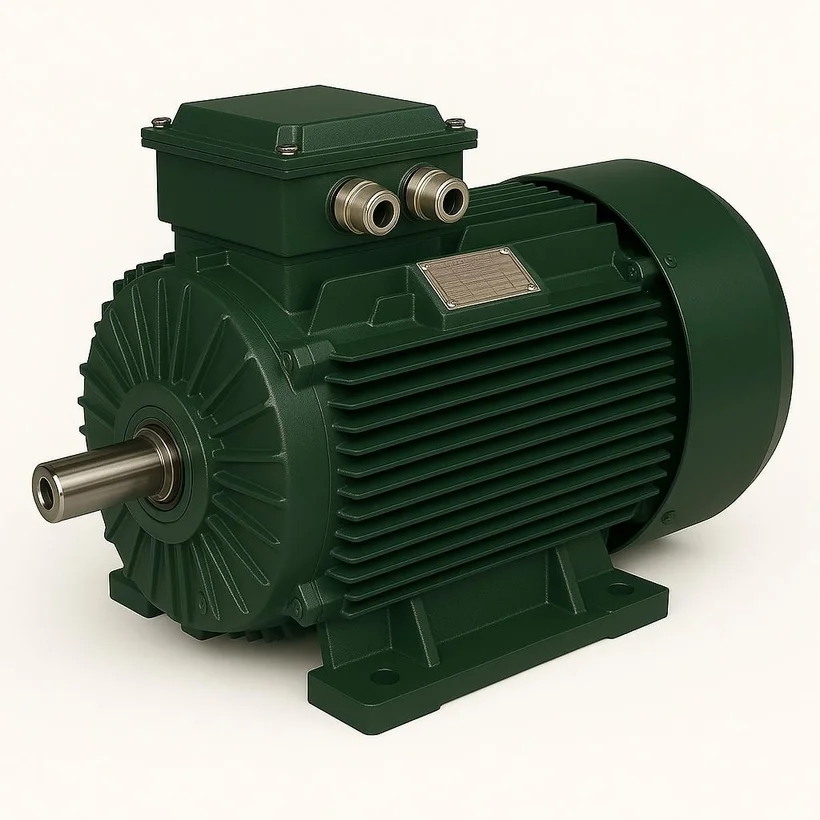
The place of the motor in the mineral processing process
A processing plant separates the valuable mineral by processing the raw ore step by step. Every stage of this process depends on motor-driven equipment. Crushers break down the ore, mills grind it, pumps move the pulp, flotation cells agitate it and screens separate it by particle size. Since a motor failure at any link in this chain can stop the entire plant, motor reliability is the cornerstone of production continuity.
Drive in flotation cell agitators
Flotation is a critical process in which the valuable mineral is separated from the pulp with the help of froth. The agitators in flotation cells keep the pulp rotating continuously and homogeneously so that air bubbles attach to the mineral. The motors driving these agitators must withstand continuous operation, the variable load created by pulp of varying density, and a humid environment. A stable and reliable drive directly determines flotation efficiency. Even small changes in agitation speed can affect froth formation and the mineral recovery rate; therefore flotation motors are expected to keep speed stable and produce smooth torque even at variable pulp density. A drive supported by a frequency inverter makes it possible to optimize the recovery rate by adjusting the agitation speed according to process need.
Motor needs in pulp pumps
The pumps that carry abrasive, solid-particle-laden pulp through the plant require heavy-duty motors. These pumps run continuously under high load and are frequently exposed to wear. The pump motor must provide high starting torque and remain stable under variable load. Our content on water pump electric motor selection presents the basic criteria for determining the right motor in pump applications.
Grinding and mill drive
Bringing the ore to the fine size suitable for flotation takes place at the grinding stage. Mills are equipment that require very high torque and run under continuous heavy duty. Mill drive motors must produce torque to overcome the high moment of inertia at start-up and run reliably under full load for long periods. Our content on the mill and grinding electric motor explains in detail the motor requirements of this demanding application.
Why AC induction motors are preferred
The most common solution in mineral processing plants is the squirrel-cage AC induction motor. Its robust construction, brushless design and durability in harsh conditions make this motor ideal for the mining environment. In our content on what an electric motor is, you can find the basic operating principle of induction motors.
Continuous heavy duty and durability
Processing plants mostly run twenty-four hours a day, seven days a week. In this uninterrupted operation, the motors remain under full load almost without ever stopping. For this reason, the selected motors must be suitable for the continuous heavy-duty class, have high thermal endurance and a robust mechanical structure.
Protection against an abrasive and dusty environment
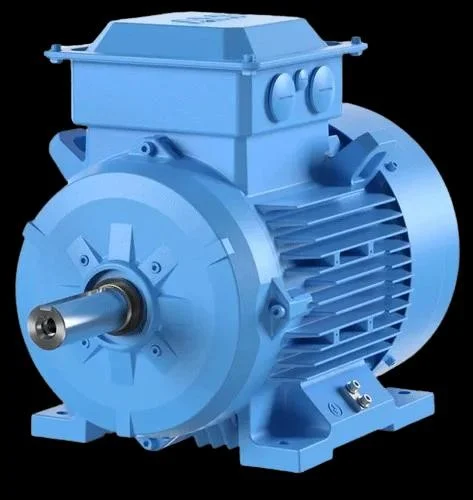
The mining environment is full of fine mineral dust. This dust can enter an unprotected motor and damage the windings and bearings. A housing structure closed to dust ingress ensures the motor operates for a long life in this abrasive environment. Correct selection of the protection class directly affects maintenance cost and downtime. Abrasive mineral dust can over time contaminate the bearing grease and shorten bearing life; therefore motors closed to dust ingress with a robust sealing structure offer a clear advantage in the mining environment. Correct protection lowers operating cost by reducing the annual maintenance frequency.
Selecting the IP protection class
In the dusty and humid mining environment, the protection class of the motor is decisive. Inadequate protection allows dust and moisture to enter the motor, causing failure in a short time. Our content on electric motor IP protection class selection explains how to determine the correct class according to the processing plant's ambient conditions.
Protection against humidity and corrosion
Flotation and pulp processes involve intense humidity; moreover, the chemicals used can accelerate corrosion. Under these conditions, the motor windings and metal surfaces are at serious risk of corrosion. Additional protective treatments such as tropicalization coat the windings against moisture and corrosion, extending motor life. The topic of motor humidity, corrosion and tropicalization shows the importance of this critical protection in mining.
High torque and demanding start-up
Mills and large agitators have a high moment of inertia when at rest. Setting this equipment in motion requires very high torque at start-up. If the motor's starting torque is insufficient, the start-up takes longer, the motor overheats and a high current draw occurs on the grid. A correctly selected motor manages these demanding start-ups smoothly. Especially in large mills, using soft-start methods or a frequency inverter both limits the starting current and protects the mechanical transmission components from sudden shock. This controlled start-up extends both motor and equipment life and reduces the load on the grid.
Screening and classification equipment
The screens that separate the ore by particle size are vibrating equipment. This vibration creates a continuous mechanical load on the drive motor. The screening motors must have a robust bearing and housing structure that can withstand this vibration for many years.
The importance of efficiency class: IE3, IE4 and IE5
Processing plants run many large motors uninterruptedly, which means high energy consumption. The efficiency class of the motors directly affects operating cost. While IE3 premium efficiency is the baseline expectation, IE4 and IE5 class motors provide great savings over the long term. DRG's high-efficiency electric motors offer an important cost advantage for high-power, continuously operating plants.
Process control with the frequency inverter
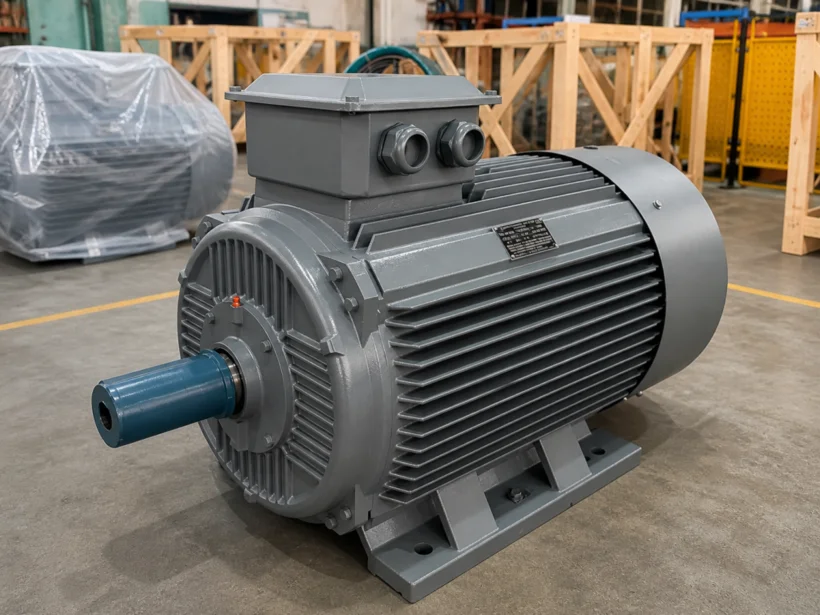
In processing operations, pulp density and feed rate are variable. Adjusting motor speed with a frequency inverter allows the process to adapt to this variability and use energy efficiently. Thanks to soft start, the start-up of large equipment also becomes more controlled. The topic of energy saving with a frequency inverter shows the efficiency contribution of this method in mining plants.
Cooling and thermal management
Motors running continuously under full load generate intense heat. A dusty environment can lead to clogging of the cooling fins and make heat dissipation more difficult. For this reason, the motor's thermal class and cooling method must be selected to suit mining conditions. Regular cleaning and correct thermal design keep the motor at a safe temperature.
Compatibility with industrial infrastructure
Mineral processing plants are part of a wide industrial infrastructure. The motors being compatible with the facility's overall electrical and automation system is important for trouble-free operation. The general criteria for industrial electric motors guide the correct positioning of processing-plant motors.
Vibration and mechanical durability
Crushers, mills and screens generate continuous vibration. This vibration strains the motor's bearings and housing. A robust cast housing and high-quality bearing selection ensure the motor lasts for many years under this continuous mechanical load.
Reliability and downtime cost
In a processing plant, a motor failure can stop not only that equipment but the entire production chain. The cost of unplanned downtime is very high. For this reason, reliability history and durability are as important as nominal power in motor selection.
Maintenance plan and service access
Motors operating in harsh conditions require regular maintenance. Motors that are easy to maintain with common spare parts shorten service time and reduce unplanned downtime. Motors with long maintenance intervals ease the operating burden in mining plants. Standard frame sizes and a common spare-part structure allow quick replacement in case of failure, minimizing downtime.
Thermal protection and sensor compatibility
Under continuous heavy duty, monitoring the motor temperature is critical. Thermal sensors placed inside the winding put the system into protection when the motor overheats. Together with overcurrent and overload protections, these sensors secure the motor against unexpected conditions.
Correct sizing and power selection
Each piece of equipment's motor must be correctly sized according to the load it will carry and the torque required. In mining the load profiles are variable and severe; therefore in sizing the peak loads, start-up conditions and continuous operating time must be evaluated together. A motor selected too large runs inefficiently, while one that is too small is constantly strained and wears out early. Correct sizing increases both efficiency and service life.
Energy recovery and cost optimization
During the braking of high-power equipment, energy can be recovered with suitable systems. In continuously running plants, this gain makes a significant difference in annual energy cost. An efficient motor and the right drive selection optimize total cost. In mining plants, energy is one of the largest operating cost items; therefore even small improvements in motor efficiency turn into notable savings in the annual budget. High-efficiency motors also generate less heat, reducing the cooling load and indirect costs.
Material transport by conveyors
Ore and intermediate products are carried within the plant by long belt conveyors. The drive motors of these conveyors must run smoothly and continuously under a heavy material load. On inclined conveyors, high starting torque and braking capability when needed become important. The reliability of the conveyor motors directly determines the continuity of material flow.
Dewatering and filter press drive
The dewatering equipment and filter presses used to remove moisture from the concentrate also run on electric motors. Since this equipment works under high pressure and constant humidity, the motors must be both powerful and moisture-resistant. Dewatering efficiency directly affects the plant's final product quality.
Pumping in waste and tailings management
Carrying the tailings pulp that arises after processing requires pumps resistant to abrasive conditions. The motors of these pumps must be suitable for continuous operation and the demanding load created by abrasive material. Reliable tailings management is a precondition for uninterrupted plant operation.
Grid conditions and voltage endurance
Mining plants are often located far from city centers, at the end of long power lines. This increases the risk of voltage fluctuation. Motors that run stably across a wide voltage range prevent unexpected stoppages under these conditions and support production continuity.
Rotor quality and long service life
In processing motors operating under continuous heavy duty, the quality of the rotor and winding directly determines service life. Quality copper winding is more resistant to the heating under high load and limits efficiency loss over many years. A robust rotor structure provides protection against mechanical stress during start-ups that require high torque.
Stress on the motor during the crushing stage
Crushing, the first link in the processing chain, hosts one of the harshest mechanical conditions. Sudden and variable loads occur on the motor during the breaking of large ore pieces. This impact load profile tests the motor's robust structure and high torque reserve. Selecting crusher motors to withstand sudden load increases is decisive for equipment life.
Material transport with conveyors and process zones
Some parts of the plant involve intense humidity, while in parts such as dry screening and storage, dust is dominant. Each zone's motor must be selected according to its own ambient condition. Instead of applying a single protection standard to the entire plant, motor selection suited to regional conditions is the right approach in terms of both efficiency and service life.
Noise and the working environment
Processing plants are by nature noisy environments. Even so, excessive motor-induced noise can be a sign of a mechanical problem. A balanced rotor and quality bearing selection support smooth and predictable motor operation, which makes it easier for maintenance teams to notice potential problems early.
Redundant equipment and critical motors
At critical points where plant stoppage is unacceptable, a redundant motor arrangement is preferred. Backup motors that engage in case of a main pump or mill-drive failure secure production continuity. The backup motors must also meet the same durability and efficiency criteria as the main motor.
Continuous monitoring and predictive maintenance
In modern processing plants, the temperature, vibration and current values of the motors are continuously monitored. This data prevents unplanned downtime by catching the early signs of potential faults. Robust motors compatible with sensors form the foundation of a predictive maintenance strategy and increase plant availability.
Environmental conditions and seasonal effects
Motors operating outdoors or in semi-enclosed facilities are exposed to seasonal temperature changes and outdoor weather conditions. Motors that run stably across a wide temperature range and are resistant to moisture and dust support uninterrupted production year round. Correct evaluation of environmental conditions is an inseparable part of motor selection.
DRG Motor for processing plant solutions
Mineral processing and flotation plants demand from an electric motor endurance under continuous heavy duty, strong protection against an abrasive and humid environment, high torque and uninterrupted reliability. DRG Motor responds strongly to the needs of this demanding sector with AC induction motors in IE3, IE4 and IE5 efficiency classes, high IP protection options, the possibility of tropicalization against moisture and corrosion, and a robust design suited to high starting torque. According to your plant's process structure, ore type, humidity and abrasiveness conditions, we can determine together the most appropriate motor and protection combination. For motor solutions that will increase efficiency and continuity in your processing plant, you can contact the DRG Motor expert team.