 English
 Türkçe

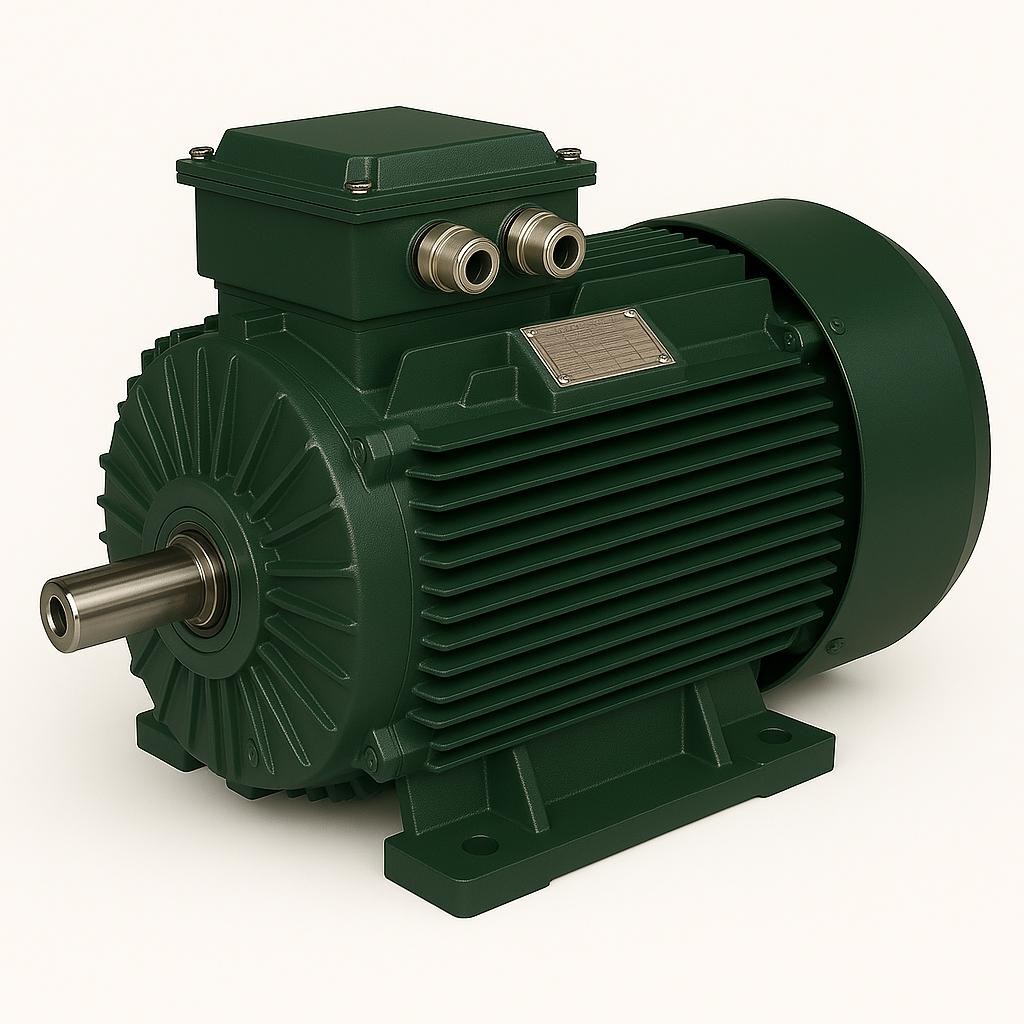

One of the greatest enemies of an electric motor is moisture, which is often invisible to the eye but advances silently. When moisture seeps inside the motor, it weakens the insulation, causes leakage current in the windings, and starts corrosion on metal parts. Corrosion, in turn, gnaws away at the bearings, shaft, frame, and connection points over time, making the motor unreliable both mechanically and electrically. For motors operating in humid and corrosive environments, choosing a standard motor is often an invitation to early failure. At DRG Motor, we supply special protection solutions for such harsh conditions, and the foremost of these is tropicalization. In this article we explain in detail how moisture and corrosion damage the motor, what tropicalization is, and all the ways to protect a motor in humid environments.
The Damage Moisture Does to an Electric Motor
Moisture directly attacks the winding insulation, the most sensitive region of the motor. When water vapor in the air enters the motor, a thin film of water forms on the surface of the insulation material. This film acts like a conductive bridge between the windings, or between the winding and the frame, lowering the insulation resistance.
As insulation resistance drops, leakage current increases, which leads to both energy loss and excessive heating. In an advanced stage, moisture can cause the insulation to break down completely and the winding to burn. For this reason, monitoring the insulation health of the motor in humid environments is of vital importance.
Condensation: A Silent and Constant Threat
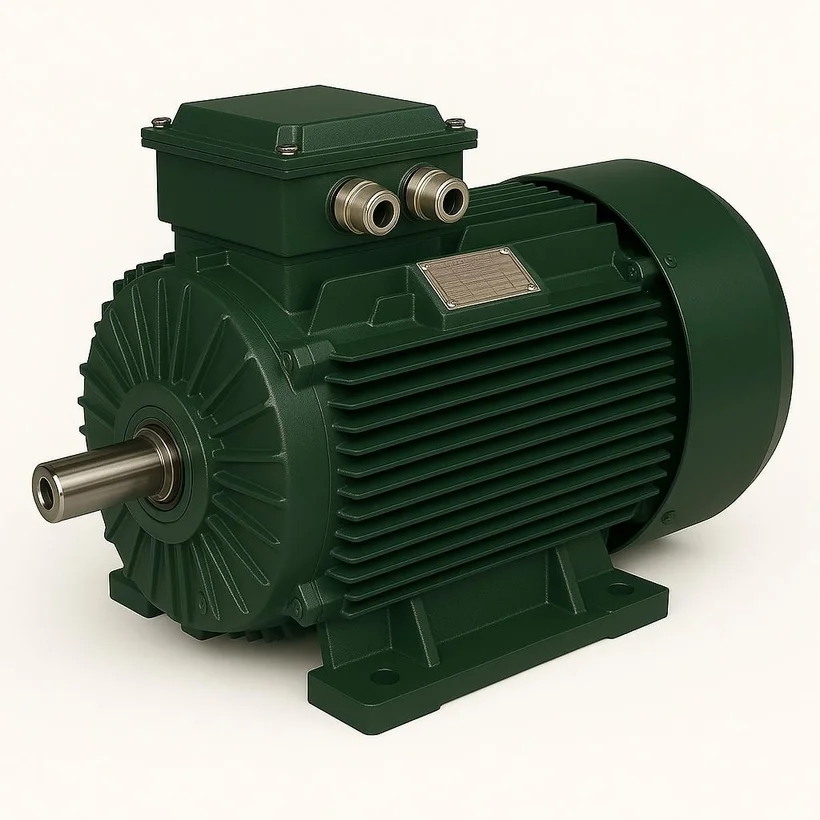
The most insidious form of moisture is condensation. The motor heats up while running and cools down when stopped. During this cooling, the moisture in the air inside the motor turns into water droplets on the cold metal surfaces. This event is called condensation, and it repeats with every cycle, especially in start-stop motors.
Condensation accumulates water at the deepest points of the motor, on the windings and bearings. Even though the motor looks dry from the outside, a continuous wetting-drying cycle occurs inside. This cycle both wears down the insulation and starts corrosion on the inner metal surfaces. The measures taken against condensation form the heart of humid-environment protection.
How Corrosion Progresses in the Motor
Corrosion is the long-term result of moisture. The contact of water and oxygen with metal starts rusting on iron-based parts. Corrosion begins on the surface first, then progresses deeper. Bearing rings, the shaft surface, the inner wall of the frame, and the terminal connections are the places where corrosion is seen most often.
In corrosive environments (seaside, chemical plants, food processing areas), the salt or chemical vapors in the air accelerate corrosion many times over. Salty moisture is far more aggressive than ordinary moisture and can erode even protective coatings in a short time. In such environments, motor selection and protection class must be correctly determined from the start.
What Is Tropicalization
Tropicalization is a special protection treatment applied to make the motor resistant to high humidity and corrosion. It takes its name from the high humidity and temperature conditions of tropical climates. Essentially, it is the application of an additional protective coating to the windings and internal components of the motor.
The windings of a standard motor already have an insulating varnish; however, in tropicalization this protective layer is strengthened and special coatings resistant to moisture and fungus/mold formation are added. Tropicalization extends the insulation life by isolating the inner surfaces of the motor from water and corrosive vapors.
Winding Coating and Additional Varnish Layer
In a tropicalized motor, the windings are subjected to an additional impregnation (varnish soaking) process. In this process, the winding is impregnated multiple times in protective varnish, filling all the gaps. As a result, a smooth and watertight surface forms on the winding to which moisture cannot adhere.
This additional coating both repels moisture and increases resistance to vibration by strengthening the mechanical bond between the windings. Tropicalized windings have a much longer life than standard windings in highly humid environments. Our electric motor insulation class article provides complementary information on the general classification of winding insulation.
Frame Paint and External Surface Protection
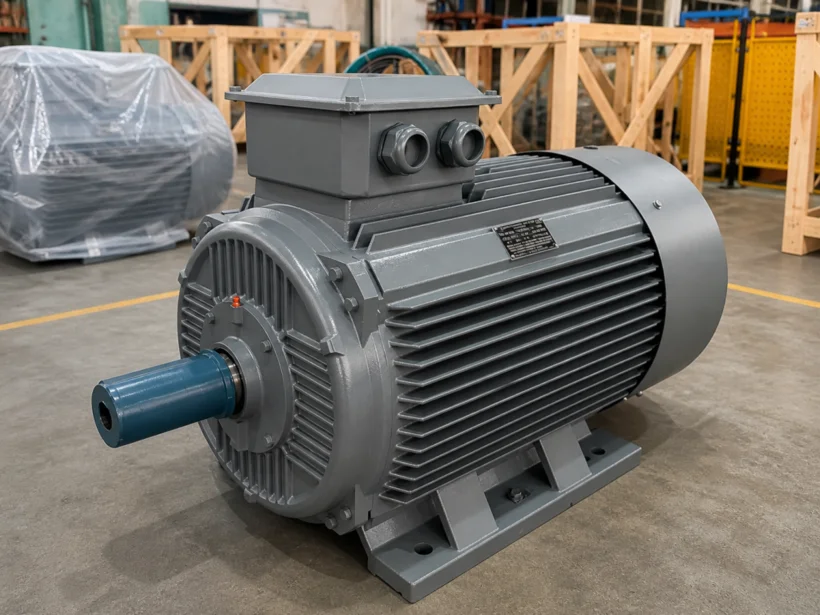
The external protection of the motor is at least as important as the internal protection. The frame of motors to be used in corrosive environments is coated with a far more durable protection system than standard paint. Usually a primer is applied first, followed by a corrosion-resistant topcoat.
The paint thickness and quality are determined according to the corrosion severity of the environment. Thicker and special paint systems are required for seaside or chemical environments. Since even the smallest paint damage on the frame can be a starting point for corrosion, care must be taken not to damage the paint surface during assembly and transport.
Anti-Condensation Heater
One of the most effective solutions against condensation is the anti-condensation heater. This heater is a small electric resistance placed inside the motor and engages when the motor stops. Its job is to keep the internal temperature of the motor a few degrees above the ambient temperature.
When the inside of the motor is slightly warmer than the environment, the moisture in the air cannot condense on the cold surfaces. Thus, water accumulation inside is prevented even when the motor is stopped. The anti-condensation heater is the most reliable part of moisture protection, especially in motors that run start-stop or wait idle for long periods. For additional measures on long-idle motors, our protecting an idle electric motor article will be useful.
Water Drainage with Drain Plugs
Despite all measures, some water can accumulate inside the motor. This is where drain plugs come into play. A drain plug is a small plug placed at the lowest point of the motor frame that allows accumulated water to flow out.
Correct installation is very important: drain plugs must be in the lowest holes according to the motor's operating position. The plugs can be open type or closed type; in humid environments, special plugs that allow water to flow continuously are usually preferred. During periodic maintenance, it should be checked that the drain holes are not clogged; a blocked drain traps water inside and magnifies the threat.
The Importance of a High IP Protection Class
In humid and corrosive environments, the motor's IP (dust and water protection) class is a decisive selection criterion. The second digit of the IP class indicates the motor's protection against water. In humid environments at least IP55 should be preferred, and IP65 or higher protection where water spraying is intense.
A high IP class reduces both moisture and corrosion risk by physically blocking the entry of water and dust into the motor. However, a high IP alone is not sufficient; full protection is achieved when combined with internal measures such as tropicalization and drainage. For details on IP class selection, we recommend reviewing our electric motor IP protection class selection article.
How IP Protection and Tropicalization Work Together
The IP protection class and tropicalization are two different defense layers that complement each other. The IP class determines how watertight the outer shell of the motor is; it stops water and dust at the door. Tropicalization, on the other hand, protects the windings against moisture and vapor that can enter despite this shell.
When the two layers are considered together, the motor is protected against both liquid water coming from outside and the hidden moisture in the air. In the harshest environments, these two approaches are combined with an anti-condensation heater and drain plug to form a multi-layered protection strategy.
Motor Protection in Marine and Coastal Environments
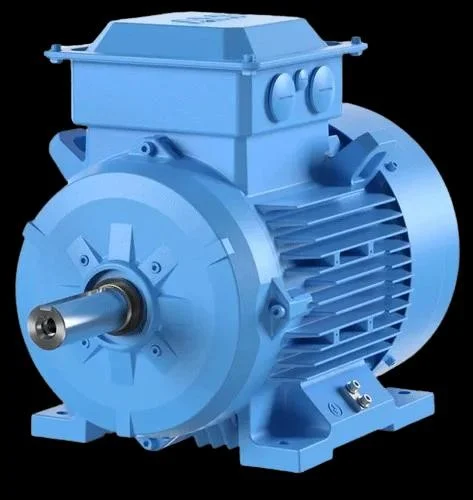
Seaside and marine applications are among the harshest environments for a motor. The salt in the air means both high humidity and strong corrosion. Standard protection falls short in these environments; tropicalized winding, thick corrosion-resistant paint, a high IP class, and stainless connection elements are required together.
In a salty environment, corrosion progresses so quickly that even a small coating defect can turn into major damage in a short time. For this reason, the motor for a marine environment must be selected with the right specification from the start, and no protection layer should be skipped.
Protection in Chemical and Acidic Environments
Chemical plants, treatment systems, and some food processing areas have acidic or chemical vapor in their air. These vapors erode standard paint and metals far faster than ordinary moisture. For such environments, chemical-resistant special paint systems and, when necessary, connection elements made of special materials are used.
When selecting a motor for chemical environments, not only the moisture but also the type of chemical in the environment must be taken into account. Because different chemicals require different protection materials; a single protection solution does not suit every chemical environment.
Monitoring Insulation Resistance in Humid Environments
The insulation health of motors operating in humid environments should be measured regularly. A drop in insulation resistance over time is the most reliable indicator that moisture is accumulating inside. This measurement is made with an insulation resistance measuring device called a megger.
Especially before commissioning a motor that has been idle for a long time, the insulation resistance must be checked; because the moisture accumulated during idleness can break down the insulation on first start. We explained in detail how this measurement is made and how the values are interpreted in our motor insulation resistance megger test article.
The Role of Maintenance and Periodic Inspection
Even the best protection systems against moisture and corrosion weaken over time without regular maintenance. Cleaning the drain holes, repairing damage on the paint surface, checking that the anti-condensation heater is working, and measuring insulation resistance should be part of the regular maintenance program. Our electric motor maintenance steps article guides how to plan general motor maintenance.
Protecting the Terminal Box and Connection Points
One of the most neglected but most moisture-exposed regions of the motor is the terminal (connection) box. When the cable entries are not fully watertight, humid air and even water can enter the box. Corrosion forming at the connection points increases the contact resistance; this can cause local heating, sparking, and over time the connection coming loose.
To protect the terminal box, suitable watertight cable glands should be used at the cable entries, the box gasket should be intact, and condensation-preventing measures should be added inside the box when necessary. Periodic inspection of the connection screws allows corrosion to be caught early.
Protecting the Bearings Against Moisture
Moisture targets not only the windings but also the bearings. Moisture entering the bearing degrades the structure of the grease and starts corrosion on the metal surfaces. A corroded bearing soon leads to noisy operation and vibration. For this reason, in humid environments the quality and integrity of the bearing seals (sealing elements) is critically important.
In motors operating in humid environments, the bearing lubrication interval should also be reviewed; because moisture shortens grease life. For ways to extend bearing life, our extending electric motor bearing life article provides complementary information.
Signs of Moisture-Related Failures
Moisture- and corrosion-related problems usually appear gradually rather than suddenly; for this reason, recognizing the early signs is of great importance. The first sign is often the protection relay tripping frequently; the falling insulation resistance increases the leakage current and the protection engages. Another sign is the abnormal current rise observed in the first moments when the motor is started.
In a visual inspection, signs such as greenish or whitish corrosion deposits in the terminal box, rusting on the connection screws, and blistered paint on the frame surface are heralds of a moisture problem. When any of these signs is seen, intervening before the problem grows protects both the motor and the facility from costly downtime.
Moisture Protection During Storage
Moisture threatens not only the operating motor but also the spare motor in the warehouse. When a motor waiting in stock sits for months in a humid warehouse, moisture accumulates in its windings, and an unexpected insulation failure may be encountered when it is commissioned. For this reason, spare motors should be stored in dry, ventilated environments with little temperature fluctuation.
For motors to be stored for a long time, keeping the anti-condensation heater energized in the warehouse, if present, prevents condensation. In addition, turning the shaft by hand periodically during storage ensures the grease inside the bearing is distributed and prevents moisture from accumulating at a single point.
The Cost-Benefit Balance of Moisture Prevention Measures
Protection measures against moisture and corrosion bring some additional cost in the initial investment; however, this cost is quite small next to the losses that would arise from the early failure of an unprotected motor. The winding burning of an unprotected motor in a humid environment means both renewing the motor and a production stoppage. The cost of measures such as tropicalization and high IP protection is often far below the cost of a single failure downtime.
For this reason, protection measures in humid and corrosive environments should be evaluated as an investment, not an expense. A properly protected motor both lasts longer and increases the facility's efficiency by reducing unplanned downtime.
The Importance of an Accurate Environment Definition
For all these protection measures to be selected correctly, the environment must be accurately defined from the start. The humidity ratio in the environment, the temperature range, the presence of salt or chemicals, and the motor's operating regime (continuous or start-stop) determine the protection level. An incompletely defined environment leads either to unnecessary cost or to insufficient protection.
For this reason, when selecting a motor for a humid or corrosive environment, the ambient conditions should be shared in as much detail as possible. An accurate definition makes the correct protection combination, and therefore long motor life, possible.
DRG Motor for Humidity- and Corrosion-Resistant Solutions
Moisture and corrosion carry out a patient but merciless wear process; the way to resist this process begins with protecting the motor correctly from the start. At DRG Motor, we offer tropicalized winding, a high IP protection class, corrosion-resistant frame paint, an anti-condensation heater, and drainage solutions together for humid, salty, and corrosive environments. To select a protected AC induction motor suitable for your harsh environment, you can review our DRG Motor products and get support from our technical team. A properly protected motor runs safely for years even in the harshest conditions.