 English
 Türkçe

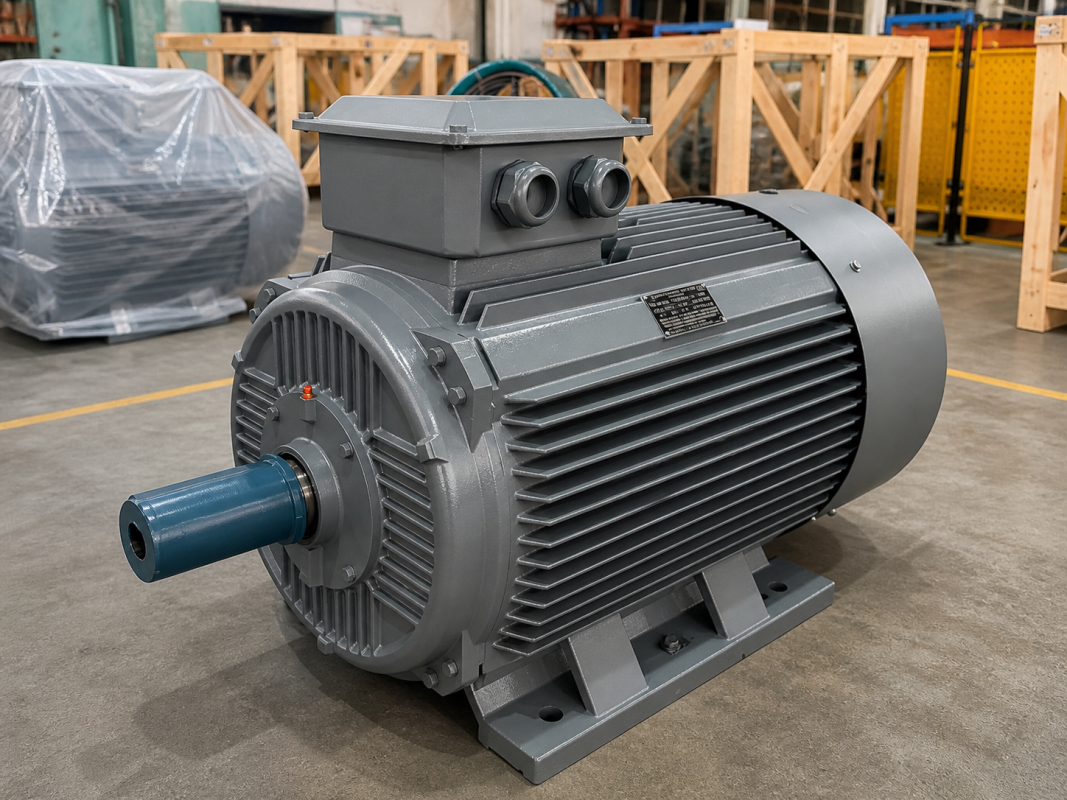

The cable cars carrying thousands of passengers safely across a mountainside, or the ski-resort chairlifts turning without interruption all day long, depend on one hidden yet vital component: the drive motor. At the heart of every rope-borne transport system sits an electric motor that reliably produces high torque at low speed, withstands harsh outdoor conditions and runs without interruption. Motor selection for cable car and ropeway drive systems involves far stricter criteria than an ordinary industrial application, because what is at stake here is not only production continuity but human safety itself. At DRG Motor, we examine in detail why choosing the right motor matters so much in this specialized field and which technical features come to the fore.
The role of the drive motor in cable car and ropeway systems
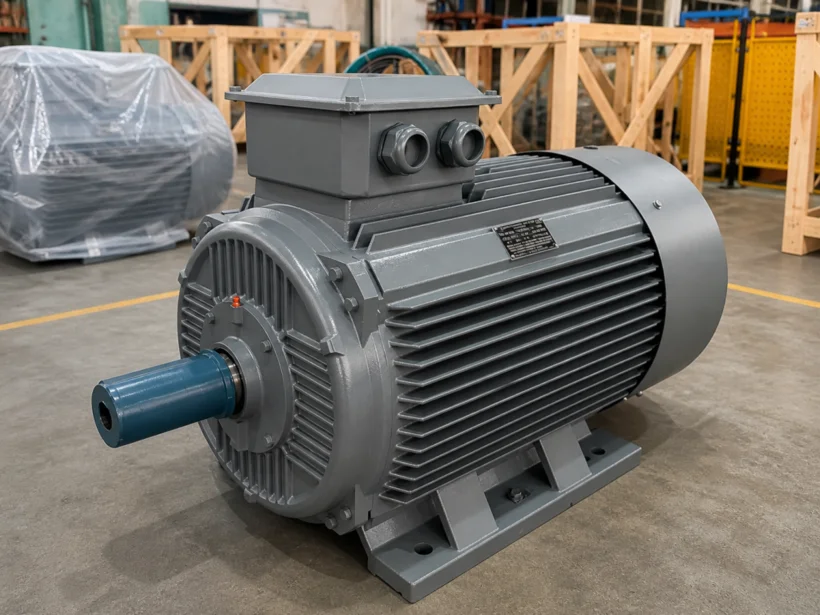
Rope-based transport systems, whether single-rope fixed-grip chairlifts or large twin-rope aerial tramways, take their motion from a single central drive station. The drive motor in this station turns the bullwheel, which keeps the rope moving smoothly at a constant speed. The torque produced by the motor is amplified through a gearbox and transferred to the bullwheel, moving tens of tons of rope along with the cabin load it carries. The motor's task is not only to start the motion but also to keep the speed constant under load and maintain balance on uphill and downhill stretches.
Low speed, high torque: the need for geared drive
Cable car bullwheels turn at relatively low speeds, yet the mass being moved is enormous. For this reason the drive assembly is almost always geared. While a standard AC induction motor rotates at around 1500 rpm, the speed the bullwheel requires is far below this. The gearbox reduces this high speed and multiplies the torque. DRG industrial motors are designed to deliver high starting torque and a smooth torque curve when paired with a gearbox. By reviewing the general criteria for industrial electric motors, you can evaluate which frame and class suits this application.
Why AC induction motors are preferred
The most common drive solution in rope-based systems is the squirrel-cage AC induction motor. The reason is its robustness, ease of maintenance and long service life. Thanks to its brushless construction, the number of wearing parts is low, which means a low fault rate over many years. In our article on what an electric motor is, you can find the basic operating principle of induction motors.
The importance of efficiency class: IE3, IE4 and IE5
Cable car facilities mostly operate for long hours, often year round. In this continuous service, the efficiency class of the motor directly affects the energy bill. While IE3 premium efficiency is the baseline expectation, IE4 and IE5 class motors provide serious savings over the long term. DRG's high-efficiency electric motors represent an ideal investment for drive stations with high utilization rates.
Braking and safety: the place of the brake motor
In rope transport, braking is an inseparable part of motor selection. Every time the system stops, the bullwheel must come to a controlled halt, the rope must not slip back at the moment of stopping, and an emergency brake must be available to engage instantly. Here the question of when a brake electric motor is needed becomes critical. Cable cars usually have more than one independent brake system, and the motor drive assembly works in an integrated way with this braking logic.
Redundant drive and uninterrupted operation
A failure of the main motor on a cable car line can leave cabins suspended in mid-air. For this reason, a redundant drive arrangement is standard in serious facilities. In addition to the main drive motor, a separate motor or hydraulic backup system is provided for emergency evacuation. The backup motor must meet the same reliability criteria as the main motor.
Soft start and speed control with the frequency inverter
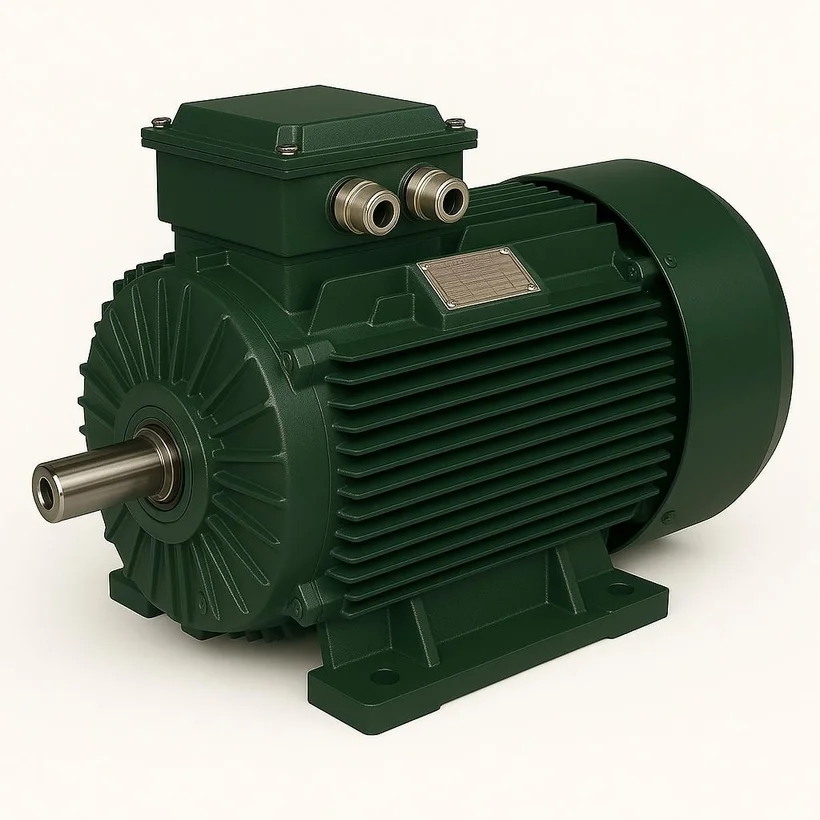
An abrupt jolt at start-up disturbs comfort and places excessive load on the rope and bullwheel. Therefore drive motors are controlled to provide a soft start. The use of a frequency inverter makes the start-up gradual, allows speed to be adjusted according to passenger density, and at the same time optimizes energy consumption. By reviewing energy saving with a frequency inverter, you can see how this method contributes to drive efficiency.
Outdoor conditions: cold, humidity and snow
Cable car drive stations are often located at high altitudes in severe climatic conditions. The motor may be exposed to low temperatures, heavy humidity, snow and icing. For these conditions, the motor housing must be of a suitable protection class and the insulation must remain durable across a wide temperature range.
Selecting the IP protection class
Drive motors operating outdoors or in semi-open stations must provide sufficient protection against dust and water. A wrongly selected protection class can lead to water ingress into the motor due to melting snow and condensation. Our content on electric motor IP protection class selection explains how to determine the correct class according to ambient conditions.
Protection against humidity and corrosion
Persistent humidity at high altitude increases the risk of corrosion on motor windings and metal surfaces. An additional protective treatment called tropicalization coats the windings against moisture and corrosion, extending the motor's life. By reviewing the topic of motor humidity, corrosion and tropicalization, you can evaluate the importance of this special protection in cable car drives.
Cooling method and thermal endurance
The drive motor heats up when running at full load for long periods. While the low outdoor temperature helps with cooling, the motor's thermal class must be appropriate for the application. The insulation class used in DRG motors is determined to leave a safe temperature margin under continuous heavy-duty conditions.
Matching the motor to the bullwheel
The power and speed produced by the motor must be compatible with the bullwheel diameter and rope friction. An incorrectly sized motor leads to rope slipping on the bullwheel or to overloading. Correct sizing is done by evaluating parameters such as rope diameter, passenger capacity, gradient and line length together.
The effect of gradient and load variation on the drive
On a chairlift line, full chairs moving up and empty chairs moving down continuously change the load on the drive. The motor and control system must be able to balance this variable load and keep the speed constant. The frequency inverter offers an advantage here in terms of both speed stability and energy recovery.
The similarity between lifting and drive applications
Cable car drive shares much of the same engineering logic with heavy lifting applications: high torque, safe braking and precise speed control. For this reason the selection criteria for a crane and lifting electric motor are also a valuable reference for rope drive systems.
Vibration and mechanical durability
The passage of cabins on the rope creates periodic vibration in the drive assembly. The motor's bearings and housing must be durable enough to handle this vibration trouble-free for many years. A robust cast housing and quality bearing selection extend maintenance intervals.
Quiet and smooth operation
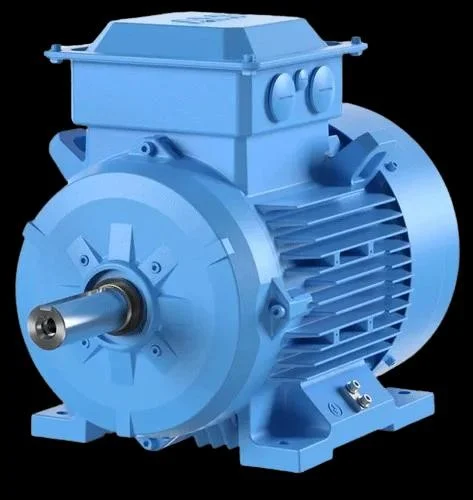
Passenger comfort matters in tourist cable cars; excessive noise from the drive station both disturbs passengers and may signal a mechanical problem. A balanced rotor, precise balancing and quality insulation support low-noise operation.
Ease of maintenance and service access
Sending a service team to a high-altitude station takes time and money. Therefore long maintenance intervals and easy spare-part supply are a great advantage for the chosen motor. The standard frame sizes and common spare-part structure of DRG motors shorten service time.
Energy recovery and braking regeneration
Full chairs moving downhill can generate energy during braking. With suitable inverter systems, this energy can be recovered and fed back to the grid or used by other consumers. This is an important gain that reduces operating costs in continuously running facilities.
Reliability: the foundation of uninterrupted operation
In cable car operations, an unexpected motor stoppage means both a safety risk and a loss of reputation. For this reason, reliability history is as important as nominal power in motor selection. The trio of quality material, correct sizing and regular maintenance forms the foundation of uninterrupted operation.
Commissioning and testing procedures
When a new drive motor is commissioned, load tests, braking tests and emergency-stop scenarios are carefully applied. These tests confirm that the motor and the brake system deliver the expected performance under real conditions.
Seasonal operation and usage intensity
While chairlifts at ski resorts run intensively during the winter season, tourist cable cars may operate all year round. The motor's duty class and maintenance plan differ according to usage intensity. In intensive use, the choice of a high-efficiency and durable motor comes to the fore.
Rotor structure and durable winding selection
In drive motors operating under continuous heavy duty, the quality of the rotor and winding is one of the most important factors determining service life. Quality copper winding is more resistant to heating and limits efficiency loss over many years. A robust rotor structure provides protection against mechanical stress during start-ups that require high starting torque.
Drive differences in twin-rope and single-rope systems
In single-rope chairlifts, both carrying and drive are provided through the same rope, while in large twin-rope aerial tramways the carrying rope and the haul rope are separate. This structural difference directly affects the load profile of the drive motor. In twin-rope systems the power transferred to the haul rope is distributed more in a controlled manner; in single-rope systems the motor's ability to respond to sudden load changes becomes more critical. In both cases, the motor's torque curve must be carefully selected according to the line type.
Grip type and start-up behavior
In fixed-grip systems the chair is permanently attached to the rope and is also moving inside the station; therefore the drive runs at a low and constant speed. In detachable-grip systems the chair detaches from the rope in the station, slows down, and accelerates again after boarding. In the second type, the drive motor must keep the line speed high, while in-station conveyors run at low speed with separate motors. This multi-drive structure calls for a holistic approach to motor selection.
Resilience to grid fluctuations
High-altitude facilities are often located at the end of long lines and the grid voltage is prone to fluctuation. The drive motor and drive system being tolerant of voltage deviations prevents unexpected stoppages. A motor design that runs stably across a wide voltage range provides an advantage at this point.
The role of the drive in emergency evacuation scenarios
When main power is cut, the emergency evacuation drive engages so cabins can be brought back to the station. This system is usually fed by a diesel generator or an independent hydraulic unit and continues to run the line, even if at low speed. Designing the main drive motor compatibly with this backup system is mandatory in terms of safety.
Bearing selection and lubrication regime
The drive motor's bearings carry both radial and axial loads over long periods. The correct bearing type and regular lubrication directly affect motor life. In cold climates, lubricants with a low freezing point that stay stable across a wide temperature range should be preferred.
Electrical protection and thermal sensors
Thermal sensors placed inside the winding automatically put the system into protection when the motor overheats. Overcurrent, phase-loss and overload protections ensure the drive motor operates within safe limits. These protection layers protect both the motor and the passengers.
Speed-power balance and correct sizing
The speed-power balance is as important as the power of the drive motor. A motor selected too large runs inefficiently, while one that is too small is constantly strained and wears out early. The ideal choice is the motor that captures the operating point closest to the line's real load profile.
Selecting the motor in terms of total cost of ownership
The initial purchase price of a cable car drive motor is small compared with the energy it consumes over its lifetime. Although a high-efficiency motor raises the initial investment somewhat, it pays for itself quickly thanks to the long operating hours. For this reason, when making a decision one must look not only at the label price but at the total cost of ownership.
Line length and intermediate support stations
Long cable car lines have intermediate support towers and, in some cases, intermediate drive stations. The longer the line, the more the losses from rope weight and friction increase, which raises the power demanded from the drive motor. Correct power calculation requires evaluating all the geometric and mechanical parameters of the line together.
Monitoring and predictive maintenance systems
In modern facilities, the drive motor's temperature, vibration and current draw are continuously monitored. This data makes it possible to catch the signs of a potential fault early and prevent unplanned downtime. A robust motor compatible with sensors forms the foundation of a predictive maintenance strategy.
Environmental impact and the expectation of quiet operation
In tourist regions known for their natural beauty, both low noise and low energy consumption are expected from cable car facilities. High-efficiency motors both reduce operating costs and shrink the environmental footprint. This supports the facility operating in line with its sustainability goals.
DRG Motor for cable car drive solutions
Cable car and ropeway systems demand the highest reliability from an electric motor, uninterrupted operation even in the harshest conditions, and a quality worthy of human safety. DRG Motor offers strong solutions for this special application with AC induction motors in IE3, IE4 and IE5 efficiency classes, suitable IP protection options, the possibility of tropicalization and a gearbox-compatible design. According to your facility's line length, gradient, passenger capacity and climatic conditions, we can determine together the most appropriate motor and protection combination. If you are looking for a reliable and efficient drive solution for your rope transport system, contact the DRG Motor expert team to receive a recommendation tailored to your project.