 English
 Türkçe

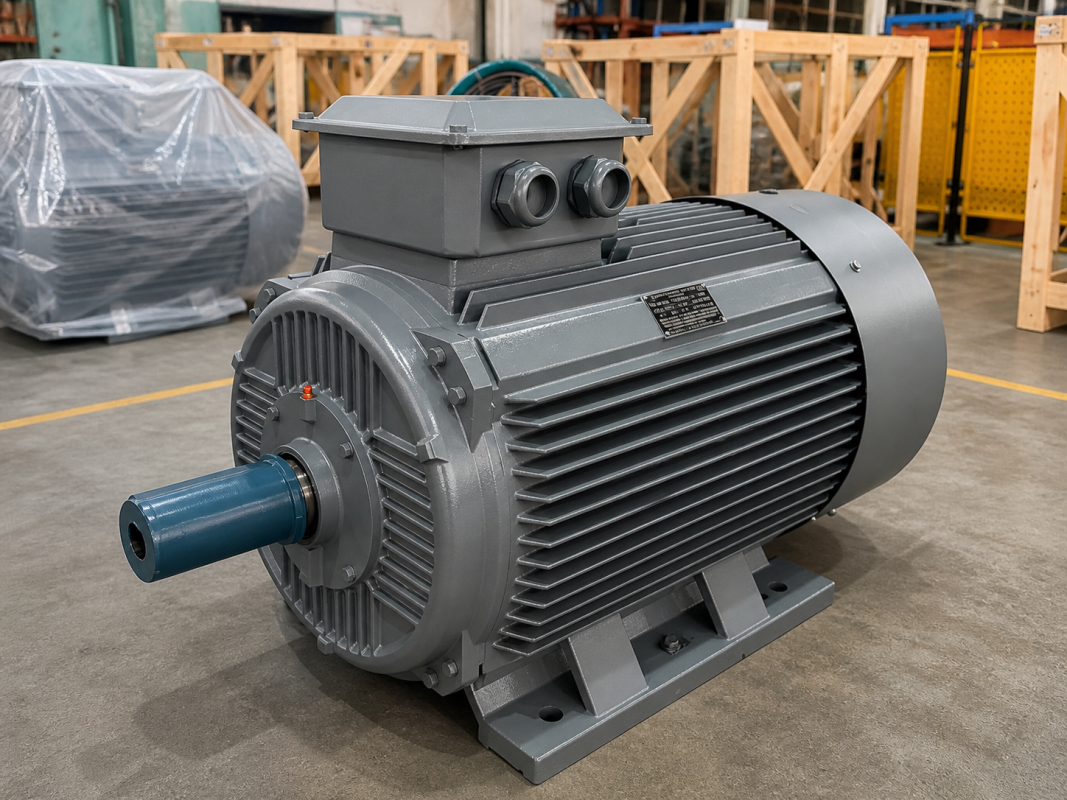

Industrial laundries that process the thousands of kilograms of daily laundry from hotels, hospitals and large facilities are operations that require unseen yet intensive engineering. Spin drums turning at high speed, constant steam and humidity, chemical detergents and an uninterrupted operating tempo expose every piece of equipment in these facilities to demanding conditions. The processes of washing, spinning, drying and ironing are all driven by electric motors. Motor selection in industrial laundries brings together special criteria such as endurance against imbalance at high speed, protection against humidity and corrosion, safe braking and resistance to frequent start-stop cycles. At DRG Motor, we examine the motor needs of this demanding operating environment and the impact of the right choice on efficiency and continuity.
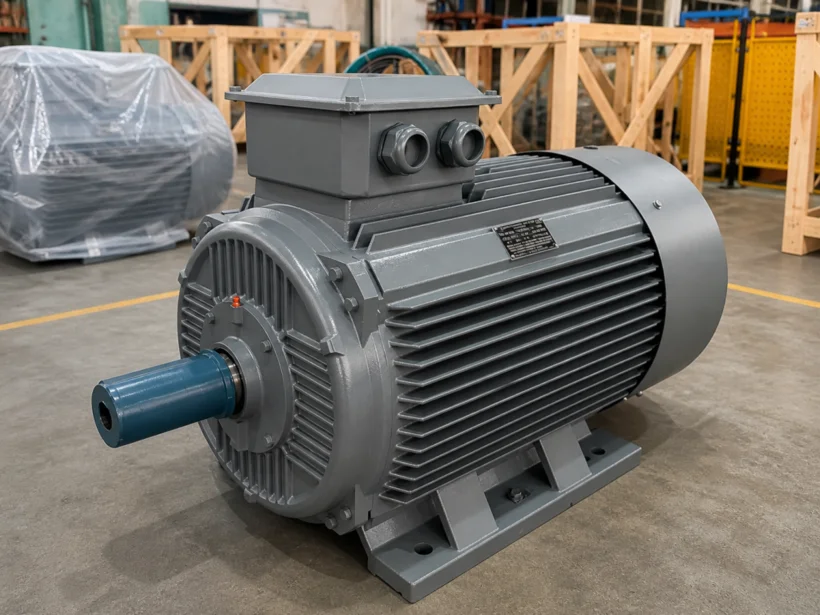
The role of the motor in an industrial laundry
An industrial laundry runs through the harmonious operation of many consecutive pieces of equipment. Washing machines turn the drum, spin units remove the water, dryers take away the moisture and ironing rollers smooth the laundry. At every link in this chain there is an electric motor, and the reliability of each directly determines the facility's daily production capacity.
Washing and spin drum drive
At the heart of an industrial laundry is the wash-spin drum. This drum turns at low speed during washing, and rises to a very high speed during spinning to remove water. A single motor managing this wide speed range is one of the most demanding tasks of the drive system. Frequency-inverter motor control makes this transition gradual and controlled. A sudden transition from wash speed to spin speed both strains the mechanical components and prevents the laundry from distributing evenly inside the drum; therefore the speed is raised in a controlled way through gradual ramps.
The problem of imbalance at high speed
During the spin stage, when the laundry is not evenly distributed inside the drum, serious imbalance occurs at high speed. This imbalance creates great mechanical stress on the drive motor and its bearings. The motor must have a robust structure that can withstand this vibrating and variable load for many years. Motors that work in harmony with control systems that limit the speed when imbalance is detected increase both safety and service life. The centrifugal forces created at high speed place great loads on the drum and drive assembly; therefore it is critical that the motor's bearings and housing are designed to withstand these forces. Detecting imbalance early and limiting the speed both prevents equipment damage and protects operator safety.
Why AC induction motors are preferred
The most common solution in industrial laundries is the squirrel-cage AC induction motor. Its robust construction, low maintenance requirement and the wide speed range it offers when combined with a frequency inverter make this motor ideal for laundry applications. In our content on what an electric motor is, you can find the basic operating principle of induction motors.
Speed control with the frequency inverter
The transition of the laundry drum from a low wash speed to a high spin speed is provided by the frequency inverter. The inverter makes it possible to adjust the speed steplessly, with soft start and controlled deceleration. This both reduces mechanical stress and optimizes energy consumption. The topic of energy saving with a frequency inverter shows the contribution of this control method to laundry efficiency.
Protection against humidity, steam and corrosion
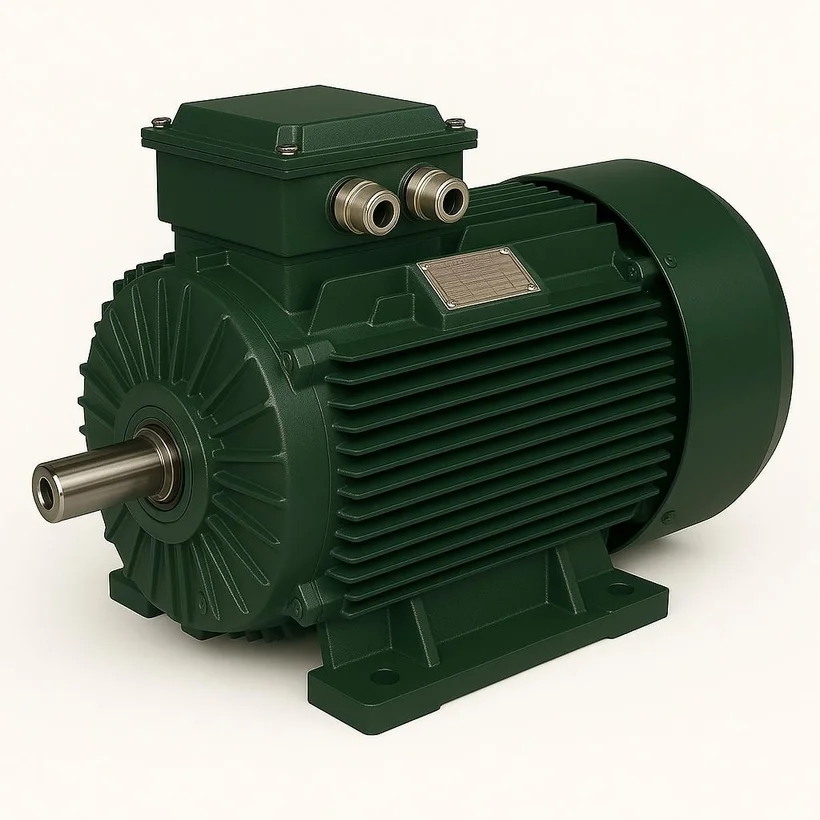
Industrial laundries are environments with constant high humidity and steam. Under these conditions, the motor windings and metal surfaces are at serious risk of corrosion. Additional protective treatments such as tropicalization coat the windings against moisture and corrosion, extending motor life significantly. The topic of motor humidity, corrosion and tropicalization shows the importance of this critical protection in the laundry environment. Steam condensing and forming water droplets on the motor surface can over time lower the insulation resistance; tropicalized windings provide a clear durability against this condensation. Corrosion-resistant protection also extends motor life by reducing the effect of salty humidity, especially in coastal facilities.
Selecting the IP protection class
In the laundry environment with steam, water splash and intense humidity, the protection class of the motor is decisive. Inadequate protection allows moisture to enter the motor, causing failure in a short time. Our content on electric motor IP protection class selection explains how to determine the correct class according to the laundry's ambient conditions.
The place of the brake motor in the laundry
The spin drum turning at high speed must stop safely and quickly. The controlled stopping of the drum during the laundry unloading stage or in an emergency is provided by a brake motor. The topic of when a brake electric motor is needed explains in detail why the brake feature is required in laundry equipment. The free deceleration of a drum turning at high speed takes a long time, leading to both time loss and a safety risk. A brake motor shortens the cycle time by stopping the drum quickly and in a controlled way after spinning, and allows the operator to intervene safely.
Endurance against frequent start-stop conditions
Laundry equipment stops and starts with every loading and unloading cycle. This frequent start-stop creates heating and mechanical stress on the motor. A motor suited to these conditions must have an insulation class that withstands a high starting frequency and a balanced torque curve.
The importance of efficiency class: IE3, IE4 and IE5
Industrial laundries usually run for long hours at a high tempo. In this continuous operation, the efficiency class of the motors is directly reflected in the energy bill. While IE3 premium efficiency is the baseline expectation, IE4 and IE5 class motors provide significant savings over the long term. DRG's high-efficiency electric motors offer a serious cost advantage for intensively working laundries.
Dryer and ironing roller drive
After spinning, the moisture-removed laundry is processed in dryers and ironing rollers. The drive motors of this equipment must operate reliably in an environment where temperature and humidity coexist. In ironing rollers, smooth and constant speed directly affects ironing quality. Even small fluctuations in speed can lead to part of the laundry being under-ironed or jamming in the roller; therefore ironing and drying motors are expected to maintain a constant speed under load. A drive supported by a frequency inverter increases both quality and efficiency by adjusting the roller speed according to the type of laundry processed.
Cooling and thermal management
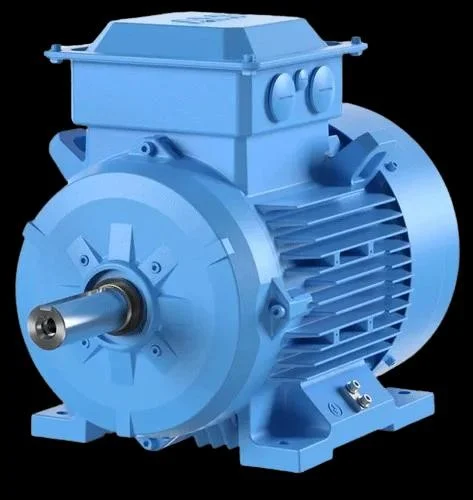
In frequent-cycle and high-speed operation, motors generate intense heat. A humid environment can make cooling more difficult and create a risk of condensation. For this reason, the motor's thermal class and cooling method must be selected to suit laundry conditions. A correct thermal design keeps the motor at a safe temperature.
Vibration and mechanical durability
High-speed spinning and unbalanced load create continuous vibration in the drive assembly. The motor's bearings and housing must be durable enough to handle this vibration trouble-free for many years. A robust cast housing and quality bearing selection extend maintenance intervals.
Reliability and downtime cost
In a laundry, a motor failure directly reduces the daily laundry processing capacity and leads to service disruption. The cost of unplanned downtime is high. For this reason, reliability history and durability are as important as nominal power in motor selection.
Maintenance plan and service access
In a humid and frequently operating environment, motors require regular maintenance. Motors that are easy to maintain with common spare parts shorten service time and reduce unplanned downtime. Standard housing dimensions allow quick replacement in case of failure, minimizing downtime. The common spare-part structure of DRG motors eases maintenance planning, providing operations with a clear advantage in terms of both time and cost.
Thermal protection and sensor compatibility
In frequent start-stop and high-speed operation, monitoring the motor temperature is important. Thermal sensors placed inside the winding put the system into protection when the motor overheats. This protection ensures laundry equipment operates within safe limits.
Compatibility with industrial infrastructure
Industrial laundries are part of a wider facility infrastructure. The motors being compatible with the facility's overall electrical and automation system is important for trouble-free operation. The general criteria for industrial electric motors guide the correct positioning of laundry motors.
Correct sizing and power selection
Each piece of equipment's motor must be correctly sized according to the load it will carry and the speed required. In spin drums, high speed and variable load must be evaluated together. An oversized motor runs inefficiently, while an undersized motor is constantly strained and wears out early. Correct sizing increases both efficiency and service life.
Water and energy efficiency
Modern laundries focus on reducing water and energy consumption. High-efficiency motors remove water more effectively during the spin stage, reducing the drying load, which saves both energy and time. The choice of an efficient motor is an important step that lowers operating cost.
Noise control and the working environment
In laundries, many machines working together can lead to high noise. The choice of low-noise motors both increases worker comfort and makes it easier to notice mechanical problems early.
Hygiene and a cleanable housing
Hygiene is important, especially in laundries serving the hospital and food sectors. A motor housing that is smooth, cleanable and moisture-resistant prevents bacterial buildup and makes compliance with hygiene standards easier.
Soft start and mechanical protection
Setting a full drum in motion suddenly strains both the motor and the transmission components. Soft start reduces this stress by accelerating the drum gradually and extends the life of parts such as belts and pulleys. The controlled start-up provided by a frequency inverter supports the long-life operation of laundry equipment.
Load balancing and speed limiting
Modern spin systems sense the load inside the drum and automatically limit the speed in case of imbalance. The motor working in harmony with this control logic both increases safety and reduces mechanical stress. Since the speed is gradually raised during balancing, the motor is expected to respond smoothly to this variable regime.
Steam generation and auxiliary equipment drive
In laundries, pumps and fans are used for hot water and steam generation. The motors of this auxiliary equipment must also be reliable for the uninterrupted operation of the facility. Selecting the pump and fan motors to be efficient, durable and suited to continuous operation supports the overall operating efficiency.
Continuous flow in tunnel washing systems
In high-capacity laundries, tunnel-type washing systems are used. In these systems the laundry advances in a continuous flow between compartments, and the transfer mechanism of each compartment is driven by a separate motor. The synchronized and reliable operation of these motors ensures the tunnel flows without clogging. In continuous-flow systems, motor reliability determines the capacity of the entire line.
Water extraction press and centrifuge drive
In some facilities, separate press or centrifuge units exist to remove water after tunnel washing. The motors of this equipment, which require high pressure or high speed, must be both powerful and resistant to variable load. Effective water extraction directly reduces the energy load at the drying stage.
Laundry transport and conveyor systems
The transport of laundry between stations is provided by conveyors and rail transport systems. The drive motors of these systems must be suitable for continuous operation and variable load. The protection class of transport motors operating in a humid environment must also be carefully selected.
Grid conditions and voltage endurance
In intensively working laundries, many motors engage and disengage at the same time, which can create fluctuation on the grid. Motors that run stably across a wide voltage range prevent unexpected stoppages under these conditions and support the uninterrupted operation of the facility.
Rotor quality and long service life
In laundry motors that run continuously and in frequent cycles, the quality of the rotor and winding directly determines service life. Quality copper winding is more resistant to the heating created by frequent starts and high speed and limits efficiency loss over many years. A robust rotor structure provides protection against mechanical stress at high speed under unbalanced load.
Electrical protection and phase safety
In laundries where many motors are fed from the same grid, the risk of phase loss and overload increases. Overcurrent, phase-loss and overload protections ensure each motor operates within safe limits. These protection layers secure both the motor and the continuity of the facility's operation.
Environmentally friendly and sustainable operation
In laundries where water and energy consumption are high, sustainability is increasingly important. High-efficiency motors do more work with less energy, reducing both operating cost and environmental footprint. The shortening of drying time thanks to efficient spinning indirectly increases energy savings as well.
Predictive maintenance and continuous monitoring
In modern laundries, the temperature, vibration and current values of the motors can be monitored. This data prevents unplanned downtime by catching the early signs of potential faults. Especially in high-speed spin motors, vibration monitoring reveals problems such as imbalance or bearing wear early and makes maintenance planning easier.
Seasonal use and capacity variation
In laundries serving the tourism sector, the workload changes seasonally. During busy periods the equipment runs at full capacity, while in quiet periods usage decreases. Selecting motors suited to both high-tempo operation and variable usage intensity supports efficient operation year round.
DRG Motor for laundry solutions
Industrial laundries demand from an electric motor endurance against imbalance at high speed, strong protection against humidity and corrosion, safe braking and resistance to frequent start-stop cycles. DRG Motor responds strongly to the needs of this demanding environment with AC induction motors in IE3, IE4 and IE5 efficiency classes, high IP protection options, the possibility of tropicalization against moisture and corrosion, brake motor options and a wide speed range compatible with a frequency inverter. According to your facility's equipment structure, operating tempo and humidity conditions, we can determine together the most appropriate motor and protection combination. For motor solutions that will increase efficiency and continuity in your laundry, you can contact the DRG Motor expert team.