 English
 Türkçe

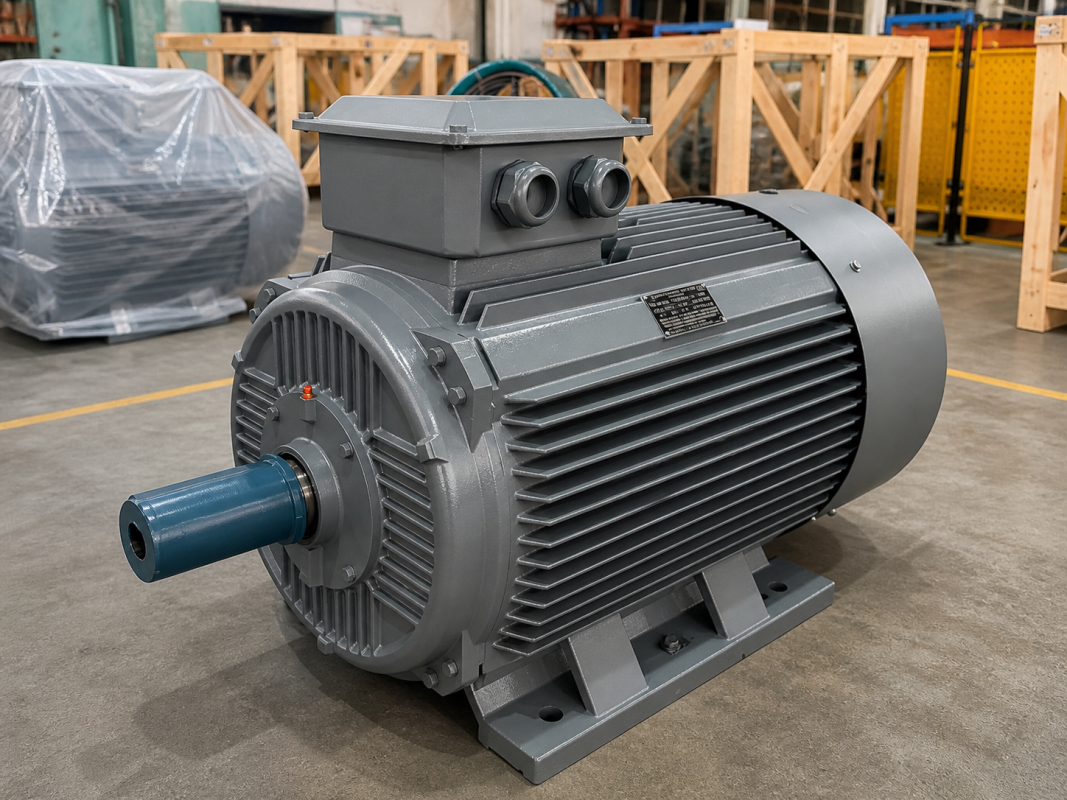

Rolling mills and metal forming facilities are production environments where electric motors undergo some of their toughest tests. The process of crushing hot metal between rolls to bring it to the desired cross-section, cutting it, and forming it is full of extremely demanding requirements such as high torque, sudden load impacts, and frequent reversing. For this reason, selecting a rolling mill motor requires much more than choosing a standard industrial electric motor; mechanical strength, thermal capacity, and dynamic torque behavior must be evaluated together.
At DRG Motor, our AC asynchronous motor range in IE3, IE4, and IE5 efficiency classes offers robust solutions for these heavy-duty conditions of metal forming. In this article, we address the distinctive motor requirements of a rolling mill, from roll drive to shears and guillotines, from sudden load impacts to speed control, in a way specific to the industry.
The Role of the Electric Motor in Metal Forming
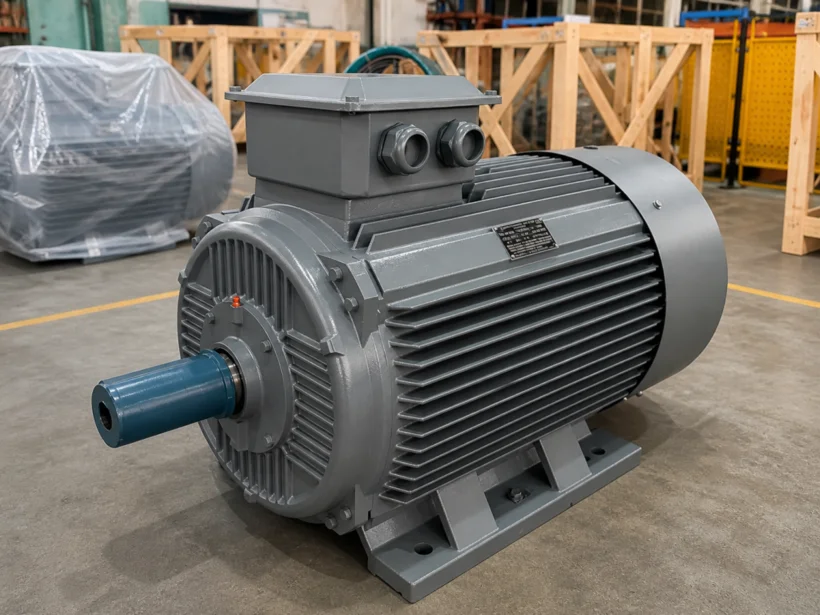
In a rolling mill, the electric motor is not merely a drive element; it is a component that directly determines production quality. The torque stability of the motor turning the mill rolls affects the dimensional precision of the produced profile. For this reason, a rolling mill motor must be selected carefully in terms of both power and dynamic behavior.
The Heavy-Duty Conditions of a Rolling Mill
The rolling mill environment is a demanding area where high temperature, scale (oxide crust), water vapor, and mechanical impacts coexist. The heat radiating from the hot metal warms the motor's operating environment. Scale particles disperse into the air. These conditions require careful attention to both the thermal and dust protection of the motors.
Roll Drive Motors
The main drive motor turning the rolls of the mill stand is the most critical equipment in a rolling mill. The resistance generated as the metal is passed between the rolls is very high, and the motor must produce the torque to overcome this resistance. Roll drive motors are sized with high rated power and a wide torque reserve. In this application, the motor's resistance to impact load is decisive.
Resistance to Sudden Load Impacts
The moment the metal first enters the mill rolls, a sudden and large load is placed on the motor. This impact causes the motor to be overstressed for an instant. Rolling mill motors must have the mechanical robustness and thermal reserve to withstand these repeated impacts over the years. Impact resistance is the most distinctive characteristic of rolling mill motors.
The Need for Frequent Reversing
In some rolling operations, the metal is passed back and forth between the rolls many times. This reversing operation requires the motor to change direction in a very short time and produce high torque each time. Frequently reversing motors must have a rotor and bearing structure to withstand this demanding regime. Reversing behavior is a fundamental characteristic of the roll drive.
Speed Control and Inverter Use
Precisely adjusting the rolling speed according to the process is critical for product quality. For this reason, roll drive motors are usually driven by a frequency inverter. The inverter provides both a soft start and direction change and produces stable torque across a wide speed range. When high-efficiency electric motors are combined with an inverter, both performance and energy savings are achieved.
The Requirement for High Starting Torque
Setting a stationary, heavy mill stand into motion requires high starting torque. The motor must be able to produce torque well above its rated value at the moment of startup. This need for high starting torque parallels the challenge of compressor motor starting torque; in both cases, the motor's torque reserve is decisive.
Shear and Guillotine Motors
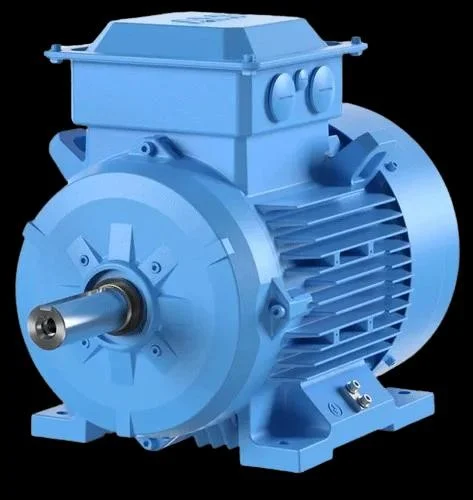
The rolled metal passes through shears and guillotines to be cut to specific lengths. This cutting operation creates a sudden and high force impact. Shear motors must have the torque capacity to handle this momentary high load and an impact-resistant mechanical structure. The repetitive nature of the cutting operation also stresses the motor's thermal endurance.
Differences Between Cold and Hot Rolling
While metal is shaped at high temperature in hot rolling, it is processed at room temperature in cold rolling. Cold rolling requires higher force and more precise torque control, because the metal is harder and more resistant. Both processes require the motor to adapt to different load profiles. The right motor selection varies according to the type of process.
Robust Rotor and Shaft Design
The continuous impact and direction change in a rolling mill place great stress on the motor's rotor and shaft. For this reason, rolling mill motors must have a reinforced rotor and robust shaft structure. If mechanical strength is insufficient, rotor or shaft fatigue under frequent impacts leads to premature failure. Robustness is the fundamental factor determining the life of a rolling mill motor.
Bearing Selection and Endurance
Sudden load impacts and continuous direction changes intensely stress the motor's bearings. For this reason, high-endurance bearings and effective lubrication systems are used in rolling mill motors. Bearing life is at the center of maintenance planning; the right bearing selection significantly reduces unplanned downtime.
High Temperature and Insulation Class
The heat radiated by the hot metal constantly stresses the insulation of the motor winding. Rolling mill motors must have a high-temperature-resistant insulation class and be supported with external cooling when necessary. The correct selection of the insulation class directly affects motor life in a hot environment.
Scale and Dust Protection
The scale falling from the metal surface during rolling disperses into the air and contaminates the motor environment. These abrasive particles penetrate inadequately protected motors and cause damage. For this reason, high dust protection is important in rolling mill motors. Electric motor IP protection class selection explains the right choice in environments loaded with scale and dust.
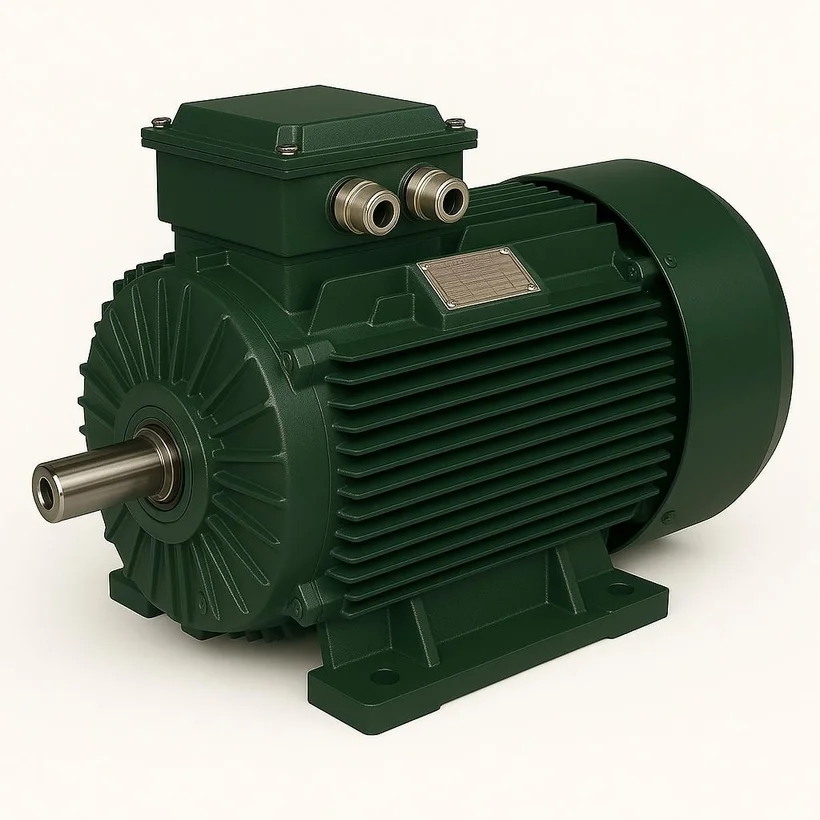
Table and Roller Table Drives
Roller tables are used to transport the rolled metal between mill stands. The numerous rollers on these tables are driven by motors and convey the hot metal to the next station. Since table motors operate near hot metal, they require thermal endurance and continuous operating capacity. Synchronized operation ensures the smoothness of the material flow.
Conveyor and Material Handling
Raw material and finished product are transported within the plant by conveyors. Conveyor belt electric motor selection is made by considering the heavy metal load carried in the rolling mill. These motors must produce the torque to move a loaded conveyor and withstand the hot environment. The reliability of handling systems determines the uninterrupted flow of production.
Crane and Lifting Systems
In a rolling mill, heavy billets, coils, and finished products are moved by cranes. Crane and lifting electric motor applications require precise positioning under high load and safe braking behavior. In cranes carrying hot metal, the reliability of the motor directly affects occupational safety.
Heavy-Duty Design
Rolling mill motors, unlike standard industrial motors, must have a heavy-duty design. This means a more robust frame, reinforced bearings, high thermal reserve, and impact resistance. Heavy-duty design ensures that the motor operates reliably under a demanding regime for years.
Control of Torque Fluctuations
In the rolling process, the load changes continuously; metal enters the roll, exits, and enters again. These torque fluctuations stress the dynamic response of the motor and drive system. Inverter control manages these fluctuations to maintain production stability. Torque management is the key to rolling quality.
Cooling Systems
A hot environment and continuous heavy load may leave standard fan cooling insufficient. In this case, external cooling or closed-circuit cooling solutions come into play. Selecting the cooling system appropriate to rolling mill conditions is mandatory for the motor to maintain its rated power.
Efficiency and Energy Cost
Rolling mills operate with high-power motors, and these motors consume intense energy. Selecting high-efficiency motors provides significant energy savings in continuously running drives. IE4 and IE5 class motors combine efficiency with endurance in heavy industry, lowering total operating cost.
The Load Effect on the Grid
The sudden start and impact load of high-power rolling mill motors can create fluctuations on the grid. Inverter-based starting and proper power management reduce this effect. A drive system that maintains grid balance both extends motor life and protects the plant's electrical infrastructure.
Relationship with Steel and Foundry Production
Rolling mills are usually part of the steel production chain. Our experience with the steel and foundry plant electric motor allows us to deeply understand motor behavior in environments where hot metal is processed. This accumulated knowledge directly adds value to rolling mill applications.
Billet Cutting and Raw Material Preparation
The billets and blooms to be rolled undergo cutting and preparation operations before production. The cutting and handling motors in these operations must withstand heavy metal load and impact. The reliability of raw material preparation ensures the uninterrupted feeding of the main rolling line. A similar heavy-impact challenge is seen in stone crushing plant motors.
Drawing and Profile Facilities
In wire drawing, tube drawing, and profile rolling facilities, metal is continuously drawn between dies or rolls. In these applications, the motor must produce stable drawing force and maintain speed synchronization. The motor of each station on the drawing line works in harmony with the previous one to maintain tension balance in the metal. If synchronization is disrupted, breakage or quality loss occurs in the metal.
Straightening and Leveling Machines
Rolled sheets and profiles are straightened by passing through straightening rolls. The motors of these machines must produce stable torque to overcome the springback resistance of the metal. The straightening operation requires continuous and precise torque control, because the flatness of the end product depends directly on motor performance.
Winding and Coiling Systems
The rolled strip metal is formed into coils on winders. Winding motors must adapt to the changing torque requirement as the coil diameter grows. Tension control is critical in this application; constant strip tension is provided by inverter-controlled motors. Correct tension management determines coil quality.
Industrial Process Integrity
A rolling mill is an integrated system consisting of many interconnected stations. The stoppage of one motor can affect the entire line. For this reason, motor selection is made considering the line as a whole, not on an individual equipment basis. In industrial electric motor engineering, system integrity is the foundation of reliability.
Maintenance and Monitoring
In a rolling mill, unplanned downtime is very costly in terms of production loss. For this reason, monitoring motors with temperature, current, and vibration tracking systems is common. A preventive maintenance approach allows the failure of motors operating under heavy duty to be anticipated and planned intervention to be made.
An Overview of Heavy Industry Challenges
A rolling mill is one of the most demanding environments in heavy industry. The temperature, impact, vibration, and continuity factors we address under electric motor challenges in heavy industry all come into play simultaneously in a rolling mill and determine motor selection.
Correct Sizing of Motor Power
In rolling applications, correct sizing of the motor is critical for both performance and reliability. A motor that is too small overheats under impact load, while one that is too large loses efficiency. Correct analysis of the load profile and impact characteristics enables motor power to be optimized.
Brake and Stopping Systems
In a rolling mill, fast and controlled stopping of equipment is important for both safety and product quality. In applications requiring reversing and frequent stops, the motor and brake system work together to provide controlled deceleration. Effective braking behavior protects mechanical equipment during sudden stops and increases operator safety.
Stand Adjustment and Roll Positioning
The positioning motors that adjust the gap of the mill rolls determine the thickness of the produced profile. Although these motors are of low power, they require high precision, because micron-level adjustment errors are reflected in product quality. Precise positioning is the foundation of rolling accuracy.
Water and Auxiliary Systems
In a rolling mill, roll cooling, hydraulic, and lubrication systems also run on motors. The principles of water pump electric motor selection are important for the reliability of roll cooling pumps. These auxiliary systems support the uninterrupted operation of production by maintaining the temperature and performance of the main rolling equipment.
Spare Motor and Rapid Intervention
Since the stoppage of a rolling mill means a large production loss, keeping spare motors for critical drives is a common strategy. Standard power and frame sizes facilitate spare supply and rapid replacement, minimizing downtime.
Partnership with Aggregate and Raw Material Lines
In metal forming facilities, lines such as raw material feeding and slag handling resemble processes involving heavy impact and wear. Our accumulated knowledge in aggregate and quarry electric motor applications gives us a broad perspective in motor selection under abrasive and impact load conditions. This experience can be transferred directly to rolling mill feed lines.
Dynamic Response and Precision
In a modern rolling mill, product tolerances are increasingly narrowing. This requires the motor to respond very quickly to load changes. A motor and drive combination with high dynamic response maintains product dimensional precision by adjusting rolling speed and torque instantly. Dynamic performance determines the difference between quality rolling and scrap.
DRG Motor's Approach to the Rolling Mill Sector
At DRG Motor, we offer heavy-duty AC asynchronous motor solutions in IE3, IE4, and IE5 classes for the roll drive, shear, table, and handling equipment of rolling mills and metal forming facilities. Our engineering team, who know the fundamental principles of the electric motor, jointly determine the motor suitable for impact load, frequent reversing, and high-temperature conditions.
A Durable Motor Partner for Your Rolling Mill
Metal forming is a demanding field where high torque, sudden impact, and continuous heavy duty coexist. A correctly selected rolling mill motor maintains production continuity by operating reliably under impact load for years; a wrongly selected motor leads to frequent failures and costly stoppages. For all the heavy-duty needs of your rolling mill, from roll drive to handling systems, contact the DRG Motor engineering team; let us create together the most suitable, most durable AC asynchronous motor solution for your application.