 English
 Türkçe

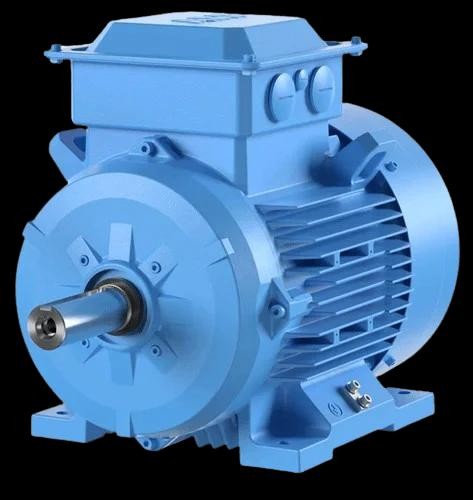

Oil and gas facilities are industrial environments where electric motors must operate to the highest standards of reliability and safety. In the processes of refining, pumping, and compressing crude oil and natural gas, factors such as explosion risk, corrosion, and continuous heavy duty coexist. For this reason, selecting an electric motor for an oil and gas facility requires a far more meticulous engineering approach than choosing a standard industrial electric motor; ambient safety, temperature class, and endurance must be evaluated together.
At DRG Motor, our AC asynchronous motor range in IE3, IE4, and IE5 efficiency classes offers solutions for these demanding requirements of the oil and gas sector. In this article, we address the distinctive motor needs of an oil and gas facility, from explosion-proof protection to pump and compressor drive, from corrosion endurance to temperature class, in a way specific to the industry.
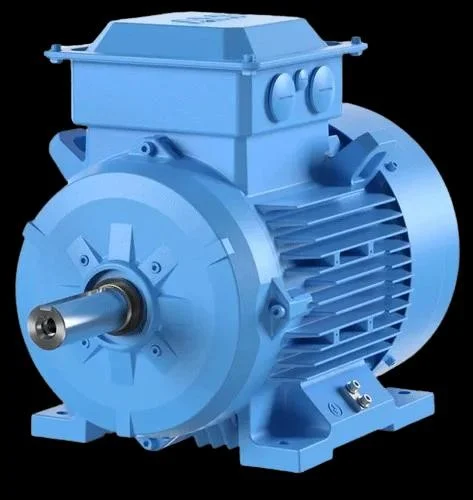
The Role of the Electric Motor in Oil and Gas Facilities
In an oil and gas facility, the electric motor is the main power source that moves the process fluids. Pumps, compressors, and fans are driven by these motors. The reliability of this equipment is decisive for the uninterrupted and safe production of the facility. The failure of a motor can pose not only a production loss but also a safety risk.
Explosion Risk and Safety
The most defining feature of oil and gas facilities is that flammable gas, vapor, or liquid may be present in the environment. Under these conditions, a standard motor can become an ignition source due to a spark or high surface temperature. For this reason, explosion-protected motors are used in hazardous zones. The selection of an explosion-proof electric motor is the foundation of these facilities' safety.
ATEX Zone Classification
In oil and gas facilities, each area is divided into zones according to explosion risk. Which protection level of motor will be used in which zone is determined according to this classification. ATEX zone classification explains in detail how to select the right motor in hazardous areas. Correct zone definition secures both safety and legal compliance.
Temperature Class
In an explosive environment, the surface temperature of the motor must remain below the ignition temperature of the gas in the environment. For this reason, the temperature class of motors is selected according to the property of the gas being worked with. Correctly determining the temperature class is a critical design decision that eliminates explosion risk. The motor must not exceed this limit even under the most demanding conditions.
Pump Drive Motors
In oil and gas facilities, raw materials and intermediate products are transported by numerous pumps. Transfer pumps, feed pumps, and process pumps run continuously. Although the principles of water pump electric motor selection are similar, oil and gas fluids carry different density and temperature properties. Pump motors must produce stable torque under these variable conditions.
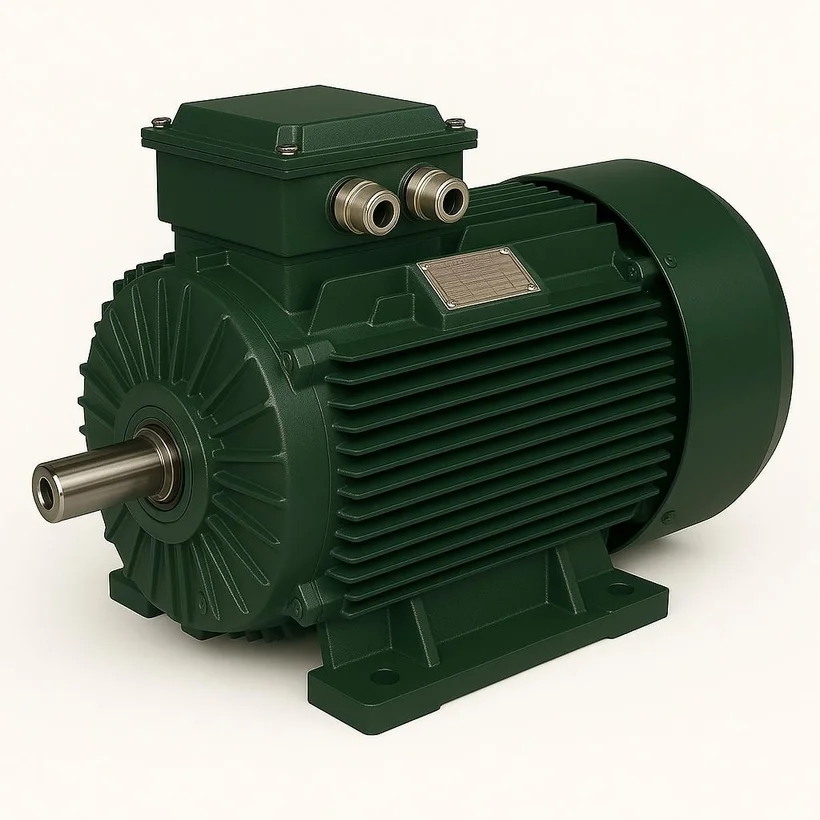
Compressor Drive Motors
Compressing gas is one of the highest power-consuming operations in oil and gas facilities. Compressors require high starting torque and continuous heavy duty. The topic of compressor motor starting torque explains why motor selection is critical in this application. Compressor motors must have the torque reserve to start smoothly under load.
The Need for High Starting Torque
The starting of a loaded compressor requires high starting torque. The motor must set the system into motion by producing torque above its rated value at the moment of startup. This need for high starting torque makes correct selection of the motor and the starting method mandatory. Insufficient torque leads to the compressor's inability to start or to overstressing of the motor.
Continuous Heavy-Duty (S1) Operation
Oil and gas facilities produce without interruption throughout the year. For this reason, motors must be selected to suit the S1 continuous duty regime. Motors that can maintain their thermal balance under continuous load prevent unplanned downtime and guarantee production continuity. Continuity is the fundamental measure of reliability in this sector.
Corrosion and Chemical Endurance
The oil and gas environment is full of corrosive gases and chemical vapors. In coastal facilities, salty air is an additional source of corrosion. For this reason, motors must have a corrosion-resistant surface treatment and an appropriate protection class. Corrosion protection is a critical factor that directly determines motor life.
IP Protection Class Selection
In oil and gas facilities, dust, moisture, and water splashing can coexist. For this reason, motors must have a high IP protection class. Electric motor IP protection class selection explains which protection level is required at which point. The protection class supports both reliability and safety.
The Requirement for High Reliability
In oil and gas facilities, the unexpected failure of a motor can create a safety risk beyond production loss. For this reason, motor reliability must be at the highest level in this sector. A robust mechanical structure, durable bearings, and high-quality insulation are the fundamental components of reliability. Reliability is a non-negotiable requirement in this sector.
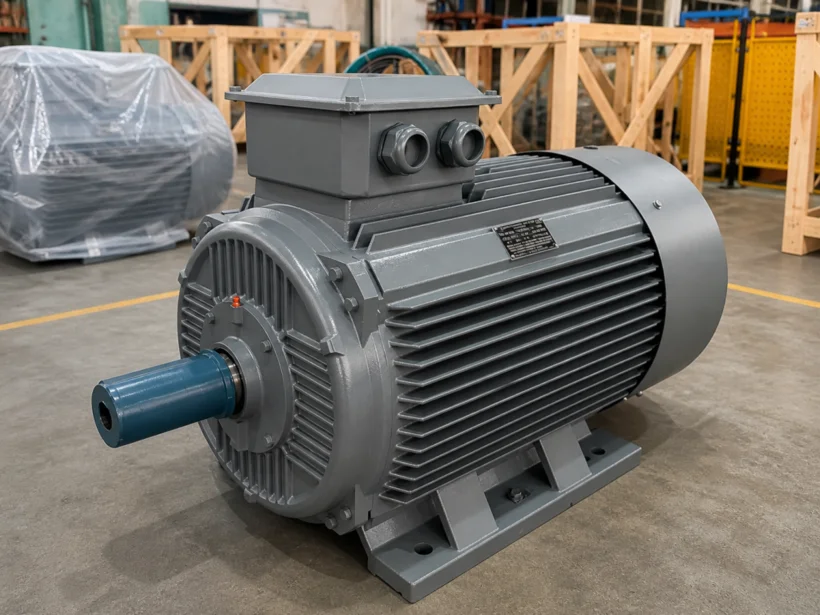
Fan and Blower Motors
In oil and gas facilities, fans run for ventilation, gas exhaust, and combustion air supply. Fan and blower motor selection is important in these applications for ambient safety and continuity. Fans in hazardous zones are driven by explosion-protected motors and support safety by preventing gas accumulation.
Insulation Class and Thermal Management
Hot process environments and high ambient temperatures stress motor insulation. In oil and gas facilities, motors must have a high-temperature-resistant insulation class. Correct selection of the insulation class both extends motor life and ensures that the surface temperature remains within safe limits.
Conveyor and Material Handling
In some oil and gas facilities, solid additives and materials are transported by conveyors. Conveyor belt electric motor selection is evaluated together with the explosion-protection requirement in hazardous zones. These motors must meet both the handling task and ambient safety together.
Crane and Lifting Equipment
Cranes are used to move heavy equipment during maintenance and assembly work. Crane and lifting electric motor applications require precise positioning and safe braking behavior. In cranes operating in hazardous zones, the explosion protection of the motor is an inseparable part of safety.
Speed Control and Inverter Use
Adjusting pump and compressor flows according to process needs provides energy efficiency. For this reason, many drives are driven by a frequency inverter. Inverter control offers both a soft start and precise flow adjustment. In hazardous zones, inverter-compatible and protected motors are preferred.
Efficiency and Energy Cost
Oil and gas facilities operate with high-power motors, and energy consumption is high. High-efficiency electric motors provide significant savings in continuously running pump and compressor drives. IE4 and IE5 class motors offer safety and efficiency together, lowering operating cost.
Vibration and Mechanical Endurance
Rotating equipment such as compressors and pumps generates vibration. A balanced rotor and robust bearing structure ensure long life under this vibration. Mechanical endurance is the fundamental factor that reduces failure frequency in oil and gas motors operating under continuous heavy duty.
Bearing and Lubrication Management
Continuous heavy duty intensely stresses the motor's bearings. For this reason, high-endurance bearings and effective lubrication systems are of critical importance. Bearing life is at the center of maintenance planning, and the right bearing selection significantly reduces unplanned downtime.
Mixer and Process Equipment
In oil and gas processing, mixers are used for chemical reaction and blending. These mixers ensure the homogeneous mixing of fluids by producing stable torque. Mixer motors operating in hazardous zones are equipped with explosion protection and must have continuous operating capacity.
Ambient Temperature and Derating
In facilities with high ambient temperatures, the motor's rated power capacity decreases. For this reason, a temperature derating factor is taken into account in motor selection in hot zones. Correct derating calculation ensures that the motor delivers its expected lifespan in full and avoids overheating. This calculation is important for both performance and safety.
Maintenance and Monitoring
In oil and gas facilities, unplanned downtime is both costly and risky. For this reason, monitoring motors with temperature, current, and vibration tracking systems is common. Preventive maintenance allows failures to be anticipated and planned intervention to be made, thereby reducing safety risks.
Cooling Systems
High ambient temperatures and continuous heavy load can leave standard fan cooling insufficient. In this case, external or closed-circuit cooling solutions come into play. Selecting the cooling system appropriate to the ambient conditions ensures that the motor maintains its rated power and a safe surface temperature.
Marine and Offshore Conditions
Offshore platforms and coastal facilities are demanding environments where a salty and humid atmosphere is intense. Under these conditions, motors must be equipped with additional corrosion protection and a high IP class. The marine environment is a special condition that makes corrosion endurance a priority in motor selection.
Correct Sizing of Motor Power
In pump and compressor applications, correct sizing of the motor is critical for both efficiency and reliability. A motor that is too small overheats, while one that is too large loses efficiency. Motor power should be optimized by correctly analyzing the load profile of the equipment.
Starting Method and Grid Effect
The sudden start of high-power compressors and pumps can create fluctuations on the grid. A soft starter or inverter-based start both extends motor life and reduces the electrical shock. The correct choice of starting method also protects the mechanical equipment from sudden torque.
An Overview of Heavy Industry Challenges
Oil and gas is one of the most safety-focused environments in heavy industry. To the continuity, corrosion, and endurance factors we address under electric motor challenges in heavy industry, explosion safety is also added in this sector.
Refinery Processes and Motor Diversity
A refinery has different process units such as distillation, cracking, and treatment. Each unit requires its own pump, fan, and mixer motors. This diversity requires motor selection to be addressed on a process basis. Since the temperature, pressure, and ambient conditions of each section differ, motors are defined according to these specific conditions.
Pipelines and Pumping Stations
The transport of oil and gas over long distances is provided by pumping and compression stations located along the pipeline. The motors at these stations must operate continuously and with high reliability, because failure intervention at their remote locations is difficult. Pipeline motors are special applications requiring long maintenance intervals and high endurance.
Natural Gas Processing and Compression
Processing natural gas and compressing it for transport require high-power compressor motors. These motors must ensure explosion safety while operating under continuous heavy duty. Gas compression applications are one of the areas where motor selection is most critical in terms of both power and safety.
Emergency and Backup Systems
Oil and gas facilities have emergency pumps and backup systems that are critical for safety. The motors of these systems must be reliable enough to come into operation instantly when needed. The motors of emergency equipment must be able to start trouble-free even after remaining on standby for a long time.
Motors Outside the Hazardous Zone
Not all of an oil and gas facility is an explosive environment; standard motors can be used in auxiliary buildings, cooling towers, and administrative areas. While efficiency and cost come to the fore in these areas, the protection class is still carefully evaluated at points near the hazardous zone boundary. Correct definition of zone boundaries ensures both safety and cost optimization.
Certification and Compliance
Motors used in explosive environments must comply with the relevant safety standards. Using motors with appropriate protection in the correct zone is mandatory for both legal compliance and operational safety. Selecting the right certified motor ensures that the facility passes safety inspections smoothly and reduces operational risks.
Spare Motor and Rapid Intervention
In oil and gas facilities, the stoppage of a piece of equipment creates great cost and risk. For this reason, keeping spare motors for critical pumps and compressors is a common strategy. Standard power and frame sizes facilitate spare supply and rapid replacement, reducing downtime.
Relationship with Steel and Cast Equipment
Many heavy pieces of equipment in oil and gas facilities are produced in foundries. Our experience with the steel and foundry plant electric motor gives us a broad perspective in producing heavy-bodied and durable motors. This accumulated knowledge strengthens the solutions we offer to the oil and gas sector.
DRG Motor's Approach to the Oil and Gas Sector
At DRG Motor, we offer AC asynchronous motor solutions in IE3, IE4, and IE5 classes for the pump, compressor, fan, and handling equipment of oil and gas facilities. Our engineering team, who know the fundamental principles of the electric motor, determine the right motor by jointly evaluating explosion safety, temperature class, and corrosion endurance.
A Reliable Motor Solution for Your Oil and Gas Facility
Oil and gas production is a sensitive field where safety, continuity, and endurance coexist. Under the pressure of explosion risk, corrosion, and continuous heavy duty, correct motor selection secures both production safety and operating economy. A wrongly selected motor means a safety risk and costly stoppages. For all the drive needs of your oil and gas facility, contact the DRG Motor engineering team; let us create together the most suitable, safest, and most durable AC asynchronous motor solution for your application.