 English
 Türkçe

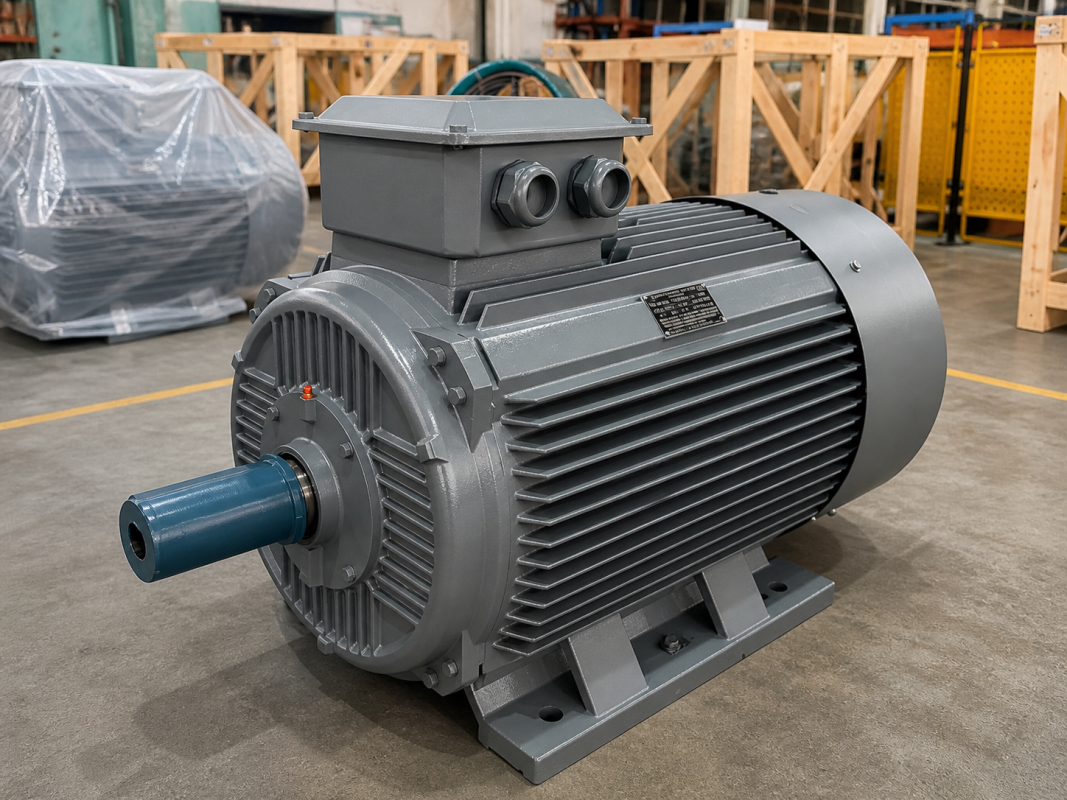

An induction motor stopping suddenly or failing unexpectedly rarely comes without warning. Before they break down, motors usually give signs: the temperature rises, the noise changes, vibration increases, or the current balance is disrupted. Knowing how to read these early signs prevents a problem that could be solved with a small maintenance intervention from turning into a major failure that halts production. In this article we cover the main electrical and mechanical faults seen in induction motors, their symptoms, possible causes, and ways to prevent them. For a broad look at the basics, you can check our what is an electric motor article.
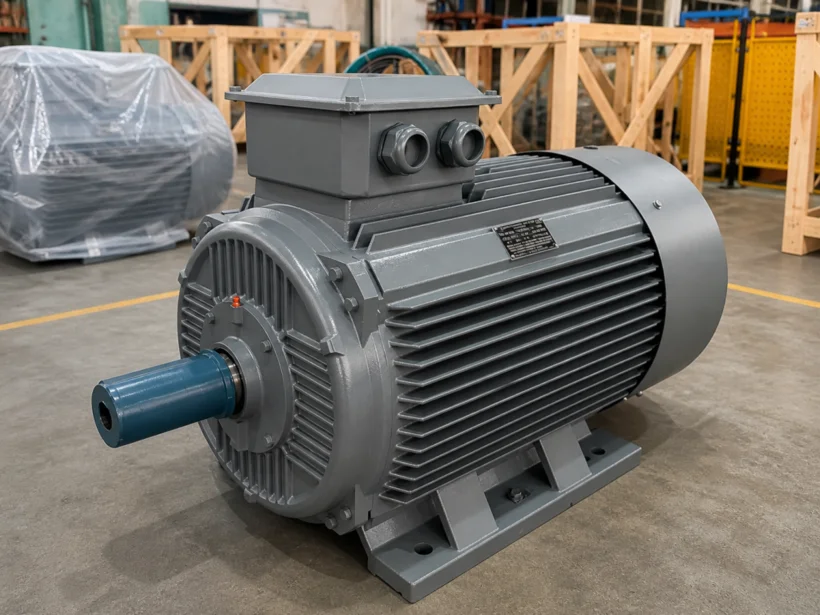
Thinking of Faults in Two Main Groups
The most practical way to understand induction motor faults is to divide them into two main groups: electrical faults and mechanical faults. Electrical faults are usually related to windings, connections, phase balance, and insulation. Mechanical faults are related to bearings, the shaft, the coupling, balance, and mounting. Often these two groups feed each other; for example, a mechanical imbalance can over time cause the windings to overheat, while an electrical imbalance can shorten bearing life. For this reason, fault diagnosis must consider both sides together.
Fault, Symptom, and Possible Cause Table
The table below summarizes the faults most frequently encountered in the field along with their symptoms and possible causes. This table can be used as a preliminary diagnostic tool; measurement and analysis are required for a definite diagnosis.
| Fault | Symptom | Possible Cause |
|---|---|---|
| Winding fault | Overheating, burnt smell, blown fuse | Insulation breakdown, overload, moisture |
| Bearing fault | High-pitched noise, increased vibration, local heating | Lack of lubrication, misalignment, wear |
| Phase loss | Power drop, vibration, overheating | Fuse, contactor, or cable problem |
| Phase imbalance | Irregular current, heating, efficiency loss | Voltage imbalance, loose connection |
| Overheating | High housing temperature, protection trip | Overload, insufficient cooling, frequent starts |
| Vibration | Noise, loosening, rapid wear | Imbalance, misalignment, loose mounting |
| Broken rotor bar | Oscillating current, torque fluctuation | Manufacturing defect, thermal stress |
Winding Faults
Winding faults are among the most critical electrical problems in induction motors. Due to insulation breakdown over time, overload, moisture, or frequent starts, a short circuit can form between windings or between a winding and the housing. The first symptoms are usually overheating, a burnt smell, and the tripping of protective elements. The progression of a winding fault leads to the motor being completely disabled. Regular insulation resistance measurement is the most effective way to catch these faults early.
Phase Loss and Its Danger
The loss of one of the phases in a three-phase motor is one of the most insidious and dangerous faults. The motor may continue to run on two phases, but the remaining windings draw excessive current and heat up rapidly. This situation can quickly lead to a winding burnout. We covered in detail why phase loss is so dangerous and how it is prevented in our phase loss article. A protection relay with phase-loss protection largely prevents such damage.
Phase Imbalance
Even without a complete phase loss, a voltage imbalance between phases also harms the motor. Even a small voltage imbalance leads to a much larger imbalance in current, which causes local heating and efficiency loss. Loose connections, unbalanced loads, and grid problems are the main causes of phase imbalance. Regular current measurement helps notice imbalance early.
Broken Rotor Bar
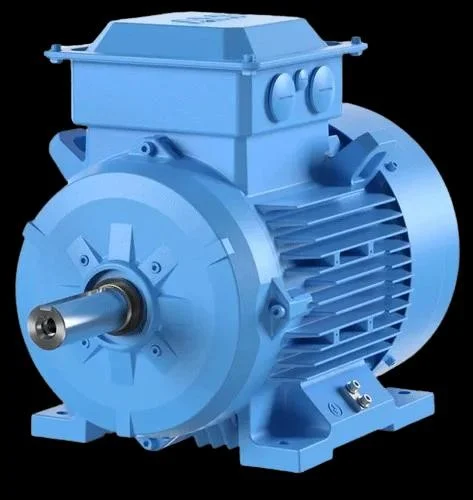
In squirrel-cage rotors, the cracking or breaking of one of the rotor bars is a rare but important fault. A broken bar leads to fluctuation in the motor's torque and a characteristic oscillation in the current. This fault is not easily noticed from the outside; however, it can be reliably diagnosed with motor current signature analysis (MCSA). We detailed how this method works in our MCSA broken rotor bar diagnosis article. Early diagnosis prevents the rotor from being completely damaged.
Bearing Faults
At the top of mechanical faults are bearing problems. Lack of lubrication, contamination, misalignment, or simply aging lead to bearing wear. The first symptoms are a high-pitched or irregular noise, increased vibration, and local heating in the bearing region. If a bearing fault progresses, the shaft is strained and the motor may eventually stop. We described in detail the ways to extend bearing life in our extending bearing life article.
Vibration and Imbalance
Increased vibration is one of the richest sources of information a motor gives us. Rotor imbalance, shaft bending, coupling misalignment, or loose mounting increase vibration. Vibration is not just an annoying noise; it accelerates failure by fatiguing the bearings, windings, and fasteners. We covered how to reduce vibration in our reducing noise and vibration article.
Misalignment and Coupling Problems
Poor alignment of the connection between the motor and the load is a common but easily preventable cause of failure. Misalignment puts continuous lateral load on the shaft, rapidly wearing the bearings and the coupling. Its symptoms are usually increased vibration, coupling wear, and irregular noise. We explained step by step how proper alignment is done in our shaft-coupling alignment article.
Overheating
Overheating can be both the cause and the symptom of many faults. Overload, insufficient cooling, frequent start-stop, phase imbalance, and dirty cooling surfaces increase heating. High temperature rapidly shortens the life of winding insulation; as a general rule, every increase in temperature noticeably reduces insulation life. For this reason, monitoring the motor's operating temperature is one of the most valuable early-warning methods.
Overload and Protection
Loading the motor above its nominal value leads to both overheating and winding strain. Setting up overload protection correctly protects the motor from this strain and extends its life. We covered in detail how overload protection is planned in our overload protection article.
Insulation Breakdown
Winding insulation is one of the motor's most sensitive but most critical components. Heat, moisture, vibration, and chemical effects wear down the insulation over time. When insulation weakens, leakage currents appear first, followed by short circuits. Regular insulation resistance measurements are the key to catching this silent deterioration early. Maintaining the operating temperature appropriate for the insulation class significantly extends insulation life.
Reading the Symptoms Correctly
Interpreting the symptoms a motor gives correctly requires experience and a systematic approach. A burnt smell may indicate an electrical problem, a high-pitched noise a mechanical problem, and a power drop a problem caused by a phase or the rotor. Often a single symptom points to more than one cause; that is why symptoms must be supported with measurements. Temperature, current, vibration, and sound, evaluated together, form a powerful diagnostic picture.
Diagnostic Methods
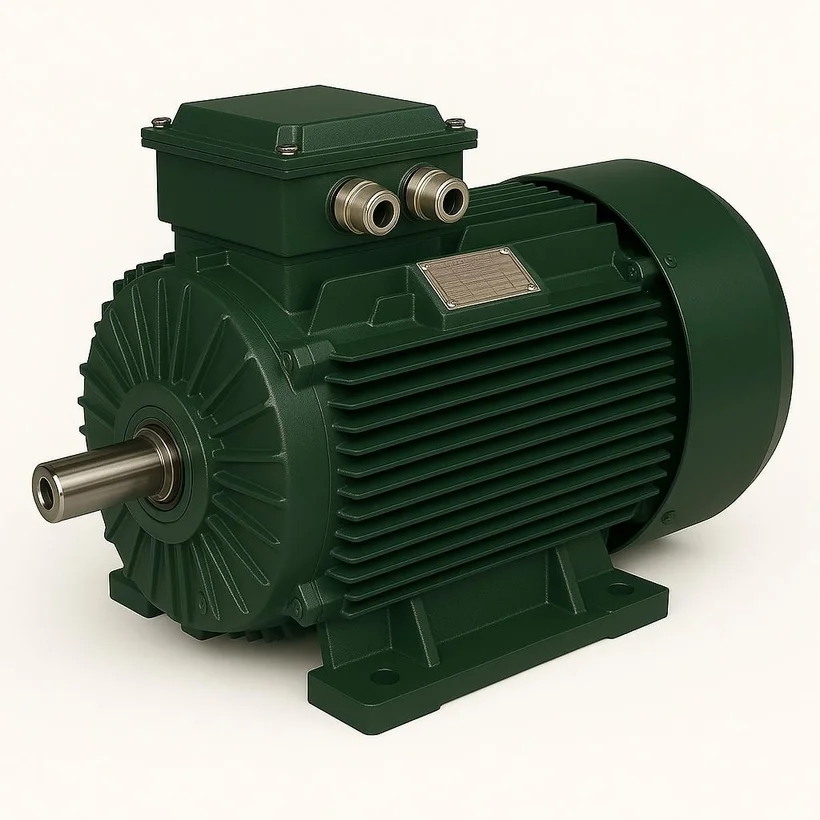
Several powerful methods stand out in modern fault diagnosis. Vibration analysis catches mechanical problems, motor current signature analysis (MCSA) catches rotor and electrical problems, and thermal monitoring catches heating-related problems. When these methods are used together, faults can often be detected before they appear. We covered the whole of this approach in our predictive maintenance article.
The Place of Slip in Diagnosis
Slip, the fundamental operating phenomenon of the induction motor, also provides clues in fault diagnosis. Abnormal changes in slip may indicate rotor problems or load problems. To understand the slip phenomenon in depth, our induction motor slip article is a useful resource. We examined the effect of rotor type on fault behavior in our squirrel cage vs wound rotor motor article.
Voltage and Supply-Related Problems
The origin of many motor faults actually lies not in the motor itself but on the supply side. Low voltage causes the motor to fail to produce enough torque and to heat up by drawing excessive current. High voltage strains the insulation and creates extra losses due to magnetic saturation. Voltage fluctuations, sudden interruptions, and harmonic distortions also cause the motor to wear out faster than expected. Monitoring supply quality often reveals the true root cause of faults seen in the motor. Especially in systems using a frequency inverter, getting the drive settings and filtering measures right both protects the motor and reduces fault frequency. Loose terminal connections are also a frequently overlooked source of faults; a loose connection leads to local heating and arcing, paving the way for both energy loss and fire risk.
The Effect of Frequent Starting and Stopping
How often a motor starts and stops has a direct effect on its life. At each start, the motor draws a starting current far above the nominal current, and this current heats the windings. A motor that frequently starts and stops is strained again before it finds a chance to cool, and the winding temperature can rise to dangerous levels. This situation is especially pronounced in motors driving high-inertia loads. In applications requiring frequent starts, using a soft starter or frequency inverter limits the starting current, both protecting the motor and reducing mechanical strain. Keeping the number of starts within the limits specified for the motor prevents unexpected winding faults.
The Role of Environmental Conditions
The environment in which the motor operates directly determines its tendency to fail. In dusty environments, cooling fins become clogged and the motor heats up; in humid environments, insulation weakens and corrosion begins; in excessively hot environments, insulation life rapidly shortens. Vibrating floors loosen the motor's fasteners and lead to misalignment. For this reason, when selecting a motor, not only power and speed but also protection class and suitability for environmental conditions must be evaluated. A motor with the right protection class fails far less in harsh environments. It should not be forgotten that ambient temperature and altitude also affect motor performance; cooling efficiency drops at high altitude.
Lubrication-Related Faults
A significant portion of bearing faults stem from incorrect lubrication. Both insufficient and excessive lubrication are harmful. Insufficient grease leads to metal-to-metal contact and rapid wear, while excessive grease creates resistance and heating inside the bearing. Using the wrong type of grease or mixing different greases also disrupts lubrication performance. Determining lubrication intervals according to the motor and application characteristics noticeably extends bearing life. Order and the correct amount in lubrication prevent most bearing faults before they appear.
Shaft and Mechanical Integrity
The motor shaft is a critical element that carries the entire mechanical load. Bending or cracking can occur in the shaft due to overload, misalignment, or impact. A bent shaft leads to unbalanced rotation and continuous vibration, rapidly wearing the bearings. Wear in the keyway or connection areas on the shaft also causes looseness and noise. Setting up the motor's connection to the load correctly is the first condition for preserving mechanical integrity. Regular mechanical checks ensure shaft-related problems are caught early.
Cooling System Maintenance
The vast majority of induction motors are cooled by fins on the housing and a fan at the rear end. The efficient operation of this cooling system is the foundation for keeping the motor's temperature within safe limits. Fins clogged with dust, dirt, or oil buildup prevent heat from being expelled and cause the motor to overheat unexpectedly. Breakage or loosening of the fan also seriously reduces cooling capacity. Regular cleaning of cooling surfaces is an often overlooked but extremely effective preventive maintenance step. Ensuring sufficient air circulation around the motor is also important for cooling; a motor squeezed into a narrow or enclosed space cannot expel the heat it generates and is forced to run continuously at high temperature.
Preventive Approach
The most economical way to manage faults is to prevent them. Regular cleaning, proper lubrication, periodic insulation measurement, vibration tracking, and proper load management prevent the majority of faults before they appear. You can find the general maintenance steps in our electric motor maintenance steps article, and the reliability of three-phase motors in industry in our three-phase motor in industry article.
The Value of Fault Records
Every fault is a valuable record for preventing future faults. Recording which motor failed when, with which symptom, and for what reason reveals your plant's weak points over time. Recurring faults often point to a design, load, or environmental condition problem. These records make the maintenance plan data-based and reduce surprises.
Building an Early-Warning Culture
The most lasting way to reduce faults in a plant is to build an early-warning culture. Making it a habit for operators to notice and report unusual noise, smell, vibration, or temperature changes in motors can be more valuable than even the most expensive monitoring systems. Human senses often sense a problem before measuring instruments. Regular observation, simple checklists, and clear reporting channels ensure small symptoms are addressed before they grow. An approach that combines technology and human attention minimizes fault frequency and preserves production continuity.
The Path from Symptom to Solution
After noticing a symptom, the path to follow is clear: observe the symptom, verify it with measurements, narrow down the possible causes, find the root cause, and apply the permanent solution. Temporary solutions only postpone the fault; interventions made without getting to the root cause recur in a short time. A systematic diagnosis saves both time and cost.
Reliable Solutions with DRG Motor
At DRG Motor, the AC induction motors we produce in IE3, IE4, and IE5 efficiency classes minimize the risk of failure with their durable winding structure, quality bearing selection, and vibration-resistant design. Matching the right motor to the right application is the most effective way to prevent most faults from the very start. To choose the most suitable motor for your application, evaluate your existing system, or strengthen your predictive maintenance approach, you can get in touch with the DRG Motor team. Explore more on our homepage.