 English
 Türkçe

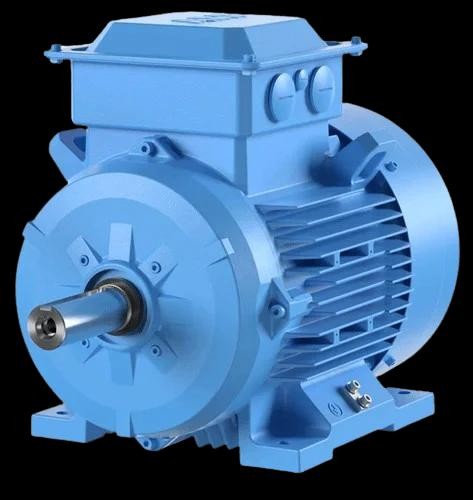

Compressed air is often called the "fourth utility" in industry; an infrastructure that sits alongside electricity, natural gas, and water and is found in almost every facility. It is used in countless applications, from pneumatic tools to automation valves, from conveying systems to process needs. Yet there is a truth this ubiquity hides: compressed air is one of the most expensive forms of energy relative to the useful work it produces. A significant portion of the electrical energy a compressor draws cannot be converted into useful work because of various losses. The bulk of these losses is directly related to the drive motor and to how the system is operated. At DRG Motor, with our IE4 and IE5 class high-efficiency asynchronous motors, we care about making this energy conversion at the heart of compressed air systems more efficient.
Why is compressed air so energy-intensive?
Compressing air is by nature an inefficient process. During compression, a large portion of the electrical energy turns into heat, and in most facilities this heat is lost by being released into the atmosphere. The share of energy that becomes useful compressed air can be only a small fraction of total consumption. This physical reality cannot be changed, but by managing the losses in the rest of the system, total efficiency can be improved significantly.
For this reason, efficiency in compressed air systems depends not on a single component but on a holistic approach that extends from the motor to the pipeline, from the control strategy to leak management.
The role of the compressor drive motor
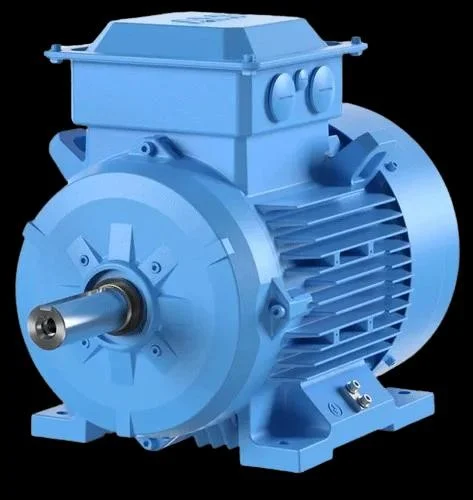
At the heart of a compressor is the electric motor that turns the element performing the mechanical compression. This motor is the point where the system's energy consumption begins; the motor's efficiency determines the efficiency ceiling of the entire system. A low-efficiency motor loses part of the electrical energy as heat from the very start, and this loss cannot be recovered no matter how good the rest of the system is.
That is exactly why the selection of the compressor motor is a decisive decision for the energy performance of the whole compressed air system. We address in detail what the efficiency class means under reading the IE efficiency class from the motor nameplate.
Load and idle running: the source of hidden waste
One of the largest energy wastes in compressed air systems occurs during the periods the compressor runs idle (unloaded). A fixed-speed compressor keeps the motor turning even when there is no air demand and draws a significant amount of energy; yet during this time almost no useful work is produced. In facilities with variable demand, these idle losses can make up a surprisingly large portion of total consumption.
Understanding idle loss is one of the most important steps in compressed air efficiency, because most facilities spend a significant part of their energy, without noticing, producing no work at all.
The impact of IE4 and IE5 motors on compressors
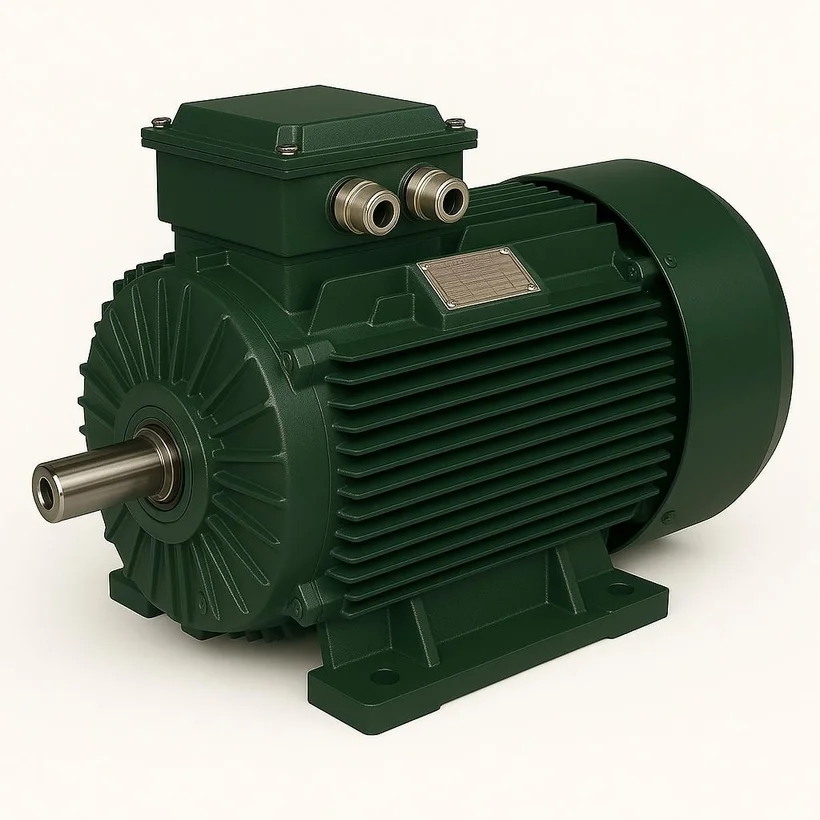
Compressors usually run thousands of hours a year, often continuously. This high running time turns even small differences in motor efficiency into large energy figures. Moving from an IE3 class motor to an IE4 or IE5 class gradually reduces losses, and this reduction, multiplied by high running hours, means serious savings.
High-efficiency motors do the same work with fewer losses; the waste heat they produce is lower, which means both direct energy savings and a lower cooling load. We cover the general logic of these motors on our high-efficiency electric motors page.
Partial-load savings with speed control
A fixed-speed compressor is efficient only at full load; when demand drops it wastes energy either by running idle or by frequently starting and stopping. A variable-speed drive (frequency inverter), on the other hand, adjusts the motor's speed to the actual air demand. When demand falls, the motor slows down, draws less energy, and the system matches demand exactly.
This approach delivers significant savings especially in facilities with variable demand, because efficiency is preserved in the partial-load region where the compressor most often operates. We detail the energy side of speed control under frequency inverter energy saving.
Starting torque and motor selection
Compressors, especially of certain types, can demand high torque at startup. Selecting the motor to meet this starting characteristic is important both for reliable starting and for avoiding unnecessary oversizing. Understanding the starting torque requirement correctly ensures choosing a motor that is neither too small nor needlessly large. We examine this topic specifically under compressor motor starting torque.
The importance of correct sizing
A common mistake in compressed air systems is selecting the compressor and its motor for the highest possible demand, with a wide safety margin. This oversizing causes the system to run most of the time at low load and therefore to lose efficiency. When a motor runs at low load relative to its rating, both its efficiency and its power factor fall below their ideal point.
Correct sizing requires analyzing the real demand profile and designing the system to be most efficient at its typical operating point. We address the hidden costs of oversizing under oversized motor and partial load.
Leaks: the silent energy thief
The most insidious energy loss of compressed air systems is leaks. Small leaks at pipe joints, valves, and hoses may seem insignificant on their own, but in total they lead to surprising consumption. A leak causes the compressor to run more than necessary and therefore the motor to draw more energy. Moreover, leaks continue twenty-four hours a day, seven days a week; even if production stops, the leak goes on.
Regular leak detection and repair is often the fastest-payback energy efficiency measure. Reducing leaks directly lowers the compressor's load, and when motor efficiency is high, this saving becomes even more meaningful. Tying leak management to a regular program at a facility yields a far more lasting result than a one-off repair; because new leaks form over time and must be continuously monitored and eliminated.
Optimizing operating pressure
The pressure level at which the system operates directly affects energy consumption. Operating at a higher pressure than needed means both spending more energy directly and increasing leaks, because high pressure also enlarges the leak flow rate. Operating at the lowest pressure the system genuinely needs is an important and often overlooked source of savings.
Recovering waste heat
Most of the heat a compressor produces is normally lost; but this heat can be recovered. When the heat released during compression is put to use for purposes such as facility heating or process water heating, the total energy efficiency of the compressed air system rises noticeably. This approach lets part of the energy the motor draws be turned into useful work a second time.
The contribution of energy monitoring to the system
The first step to improving a compressed air system is to measure it. Monitoring when and how much energy the compressor motor draws makes idle times, the demand profile, and inefficiencies visible. Improvements made without energy monitoring data remain guesswork; made with data, it becomes clear where to focus. We address this topic under electric motor energy monitoring.
The role of the air receiver and storage
In a compressed air system, the air receiver (tank) directly affects the compressor's operating pattern. Sufficient storage volume reduces the compressor's frequent starting and stopping and provides more stable, more efficient operation. Insufficient storage, by contrast, forces the compressor to cycle unnecessarily often; this means additional wear and efficiency loss in both the motor and the system. Correctly sized storage smooths demand fluctuations and lets the motor run under a steadier load.
Coordinating multiple compressors
In facilities with multiple compressors, how they are coordinated largely determines total efficiency. A good control strategy brings compressors online in stages according to demand and meets variable demand with the most efficient combination. Poor coordination leads to several compressors running simultaneously at partial load, inefficiently. Usually the smartest arrangement is for one compressor to follow demand under speed control while the others run efficiently at full load.
Air quality and the effect of filters
In applications where the compressed air must be cleaned and dried, filters and dryers create a pressure drop in the system. A clogged filter causes the compressor to run at higher pressure to compensate for this loss and therefore the motor to draw more energy. Regular inspection and replacement of filters is a maintenance item that is often overlooked but directly affects energy consumption.
System efficiency or component efficiency?
A common mistake in compressed air efficiency is focusing only on individual components. Even a very efficient compressor motor cannot show its potential when connected to a pipeline full of leaks, to excessive pressure, and to a poor control strategy. The real gain comes from treating the system as a whole. The efficient motor is an indispensable but not, on its own, sufficient part of this whole.
The relationship between maintenance and efficiency
A well-maintained compressor motor preserves its efficiency; a neglected motor begins to draw more energy over time. Clogging of cooling paths, bearing wear, and alignment problems lower the motor's efficiency and raise energy consumption. Regular maintenance is therefore not only a reliability measure but also an energy efficiency measure. We address the basic steps of maintenance under electric motor maintenance steps.
The role of temperature management
Because compressor motors work intensively, thermal management is critical. An overheating motor both loses efficiency and has a shortened life. Adequate cooling, control of the ambient temperature, and keeping the motor within its thermal limits matter for both reliability and efficiency. We examine this topic under electric motor temperature control.
Phase balance and supply quality
The efficient and reliable operation of the compressor motor depends on a healthy electrical supply. Phase imbalance or phase loss can cause the motor to overheat, lose efficiency, and fail quickly. Monitoring supply quality is especially important on continuously running compressor motors. We detail this risk under electric motor phase loss.
Payback: when does an efficient motor pay for itself?
The additional cost of moving to a high-efficiency motor is recovered over time through the energy savings it provides. In applications with high running hours such as compressors, this payback period is usually quite short, because the saving is multiplied by many operating hours. We address the payback logic under high-efficiency motor payback period.
Managing the demand side
Efficiency efforts usually focus on the supply side, that is, the compressor; yet the demand side is just as important. Reducing unnecessary uses, preferring more economical alternatives to compressed air in unsuitable applications, and policing waste at points of use lower the system's total load. When demand falls, the compressor runs less and the motor draws less energy; this is consumption prevented at its source.
Operating in cold and hot environments
Ambient conditions affect the performance of the compressor motor. A very hot machine room both makes it harder for the motor to cool and adversely affects the system by lowering the density of the intake air. A well-ventilated, cool environment supports both motor efficiency and the compressor's overall performance. Machine room ventilation is often an area where significant improvement can be achieved at low cost.
How the efficiency class reflects on annual consumption
Although a compressor motor's efficiency class is expressed on paper in small percentage differences, it turns into a concrete equivalent on the annual energy bill. On a compressor with high running hours, a one-step improvement in efficiency class, accumulated over the year, produces a notable saving. For this reason, in motor selection one must look not only at the purchase price but at the energy the motor will consume over its lifetime; because the bulk of a compressor motor's lifetime cost is energy, while the purchase price is a small item.
Compressor motors in industrial applications
Compressed air is used in almost every branch of industry, and each of these applications has its own demand profile. A facility with continuous demand and one with intermittent demand require different control and sizing strategies. We address the matter of matching the right motor with the right application more broadly on our industrial electric motors page.
A holistic efficiency approach
Compressed air efficiency is achieved not with a single miracle solution but with the sum of many small improvements. When an efficient drive motor, smart speed control, correct sizing, leak management, pressure optimization, and waste heat recovery come together, the system's total energy consumption falls noticeably. Most of these measures support one another, and when applied together their effects create a multiplier effect.
DRG Motor for efficient compressed air systems
Compressed air is an invisible but indispensable infrastructure of industry, and the energy performance of this infrastructure begins directly with the drive motor at its heart. A high-efficiency compressor motor raises the system's efficiency ceiling and forms the solid foundation on which all other improvements are built. The IE4 and IE5 class asynchronous motors we supply at DRG Motor offer a low-loss, reliable drive suited to the high running hours and continuous load of compressor applications. You can explore our DRG electric motors and contact us for a motor selection that will maximize the energy efficiency of your compressed air system. Every kilowatt saved stays in your pocket throughout the thousands of hours of the year.