 English
 Türkçe

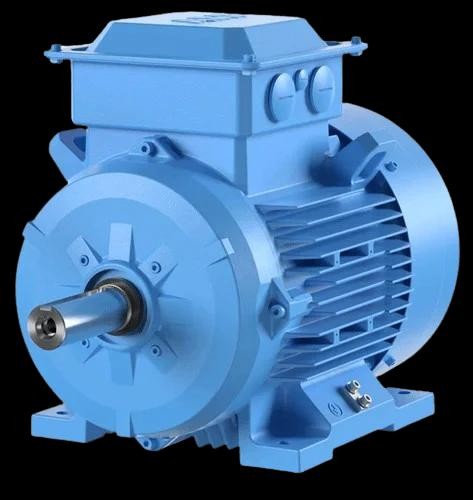

In most facilities, electric motors are the single largest item of total energy consumption; in industry this share can rise to as much as 60-70 percent. Yet how much energy these motors actually use and how they behave is often left unmonitored. Tracking the energy consumption and condition of your motors, however, both saves money and warns of faults in advance. So why is energy monitoring so important in electric motors?
In this article, DRG Motor looks at what motor energy monitoring is and the benefits it brings to a facility. You can read about the broader importance of efficiency in our article on high-efficiency electric motors.
What Is Energy Monitoring?
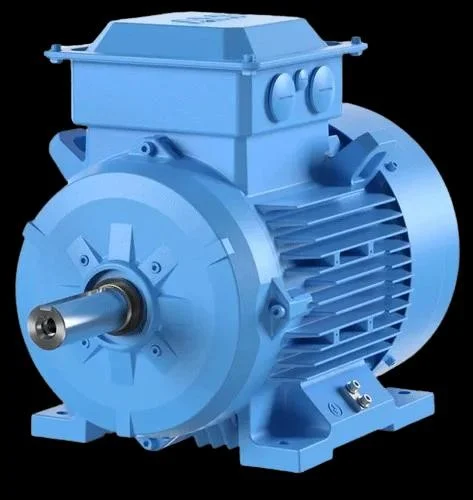
Energy monitoring is the continuous measurement and tracking of the electrical energy a motor draws and of its operating values. Quantities such as current, voltage, power and energy consumption are observed. This monitoring shows how efficiently the motor runs and how it uses energy. Energy monitoring is the foundation of deliberate energy management.
The data collected reveals both savings opportunities and potential problems, providing valuable insight for the facility.
Why Monitor at All?
An unmonitored motor may waste extra energy or develop a fault without anyone noticing. Energy monitoring makes these invisible losses and problems visible. As a result, energy is saved and faults are caught early. Monitoring is the key to both control and savings.
An unseen problem can grow over time into a major failure or cost. Monitoring prevents this early on.
It Delivers Energy Savings
Energy monitoring reveals situations where motors run unnecessarily or inefficiently. A motor running idle, overloaded or inefficiently is detected through monitoring. This eliminates needless energy consumption and saves money. Monitoring directly lowers the energy bill.
With a good monitoring programme, significant savings are possible in total motor energy consumption, providing a tangible gain for the facility.
It Warns of Faults in Advance
Energy monitoring catches anomalies in current and power values and so warns of faults before they happen. Rising current, imbalance or abnormal consumption can be the first sign of a problem. This early warning helps prevent major breakdowns. Monitoring protects both the motor and production.
Early detection prevents unplanned stoppages and costly repairs, supporting production continuity.
It Detects Overload
Energy monitoring shows whether a motor is running in overload. Persistently high current is a sign of overload. If this condition is caught early, the motor is protected from strain and burnout. Monitoring is an early-warning system against overload.
We explain overload protection in our article on overload protection. Monitoring complements protection.
It Senses Mechanical Problems
Energy and current monitoring can detect not only electrical but also mechanical problems. A worn bearing, a misalignment or an imbalance shows up in the current and power values. In this way mechanical faults are also caught early. Monitoring tracks the motor's holistic health.
Early detection of mechanical problems prevents major damage and lowers maintenance cost.
It Reduces Maintenance Cost
By warning of faults in advance, energy monitoring makes planned maintenance possible. Instead of unplanned, emergency maintenance, problems are resolved in a planned way. This reduces maintenance cost and downtime. Monitoring makes maintenance more efficient and economical.
We explain maintenance principles in our article on electric motor maintenance steps. Monitoring supports maintenance.
It Continuously Tracks Efficiency
Energy monitoring shows how a motor's efficiency changes over time. A drop in efficiency can be a sign of a problem or of wear. Continuous efficiency tracking keeps the motor operating at its most efficient point. Monitoring secures the continuity of efficiency.
We discuss efficiency losses in our article on efficiency losses. Monitoring catches efficiency loss early.
Industry 4.0 and Smart Monitoring
With advancing Industry 4.0 applications, motor monitoring is becoming increasingly smart. Motors equipped with sensors continuously collect and analyze their own data. These smart systems offer fault prediction and remote management. Smart monitoring is the future of modern energy management.
Digital monitoring transforms motor management from static tracking into dynamic control, which boosts efficiency.
Which Values Are Monitored?
In energy monitoring, values such as current, voltage, power, power factor, energy consumption, temperature and vibration are tracked. Evaluating these together provides comprehensive insight into the motor's health and efficiency. Correct values support correct decisions. Monitoring is strengthened by this data.
We explain the importance of power factor in our article on power factor. The values monitored guide energy management.
Understanding the Energy Bill
Energy monitoring makes it possible to understand which motors drive the consumption on your bill. This identifies the motors that consume the most energy and run least efficiently. By prioritizing these motors, savings can be achieved. Monitoring makes the bill manageable.
Monitoring data shows which motors should be replaced first, which means a deliberate investment.
It Supports Replacement Decisions
Energy monitoring data concretely shows which motors need replacing. Inefficient, high-consuming motors are clearly identified through monitoring. This directs the replacement investment to the right motors. Monitoring supports a replacement strategy.
We explain when to replace old motors in our article on when to replace an old motor. Monitoring guides replacement.
It Protects Production Continuity
By warning of faults in advance, energy monitoring prevents unexpected stoppages. This protects production continuity. Instead of a motor stopping suddenly, the problem is resolved in a planned way. Monitoring supports uninterrupted production.
For most businesses, production continuity means direct profit, and monitoring secures it.
Environmental Contribution
The savings achieved through energy monitoring mean less energy consumption and therefore lower carbon emissions. This contributes to the facility's environmental goals. Monitoring delivers both economic and environmental benefit, which represents a sustainable approach.
Efficient energy use is part of environmental responsibility, and monitoring supports that responsibility.
Data-Driven Decisions
Energy monitoring enables decisions based on data rather than guesswork. Which motor is inefficient, which one is having trouble; all of it emerges from the data. This means more accurate and effective decisions. Monitoring is the foundation of deliberate management.
Data-driven management delivers both savings and reliability, reflecting a modern view of running a business.
Temperature Monitoring
Monitoring motor temperature makes it possible to catch overheating early. A temperature rise is often a sign of overload, inadequate cooling or a mechanical problem. Continuous temperature tracking protects the motor from burnout. This is an important part of energy monitoring.
We explain heat control in our article on electric motor temperature control. Temperature monitoring protects the motor.
Vibration Monitoring
Vibration monitoring is an effective way to detect mechanical problems early. Increasing vibration is a sign of imbalance, bearing wear or misalignment. This tracking allows intervention before major faults develop. Vibration monitoring is an indicator of motor health.
We explain vibration reduction in our article on reducing noise and vibration. Monitoring catches vibration.
Current Signature Analysis
A detailed analysis of the current a motor draws can reveal many mechanical and electrical problems. With this method, faults can be detected months in advance using only current data, without touching the motor. Current analysis is an advanced monitoring technique that enables early intervention.
Current data makes it possible to see problems inside the motor from the outside, which is a powerful diagnostic tool.
Remote Monitoring
Modern systems make it possible to monitor motors remotely. Tracking the data through the cloud allows motors to be observed from anywhere. This is a major advantage for large and distributed facilities. Remote monitoring simplifies management.
Remote access enables fast response to problems, which supports production continuity.
Alarm and Warning Systems
Energy monitoring systems issue alarms and warnings when defined limits are exceeded. These warnings allow immediate response to problems. Automatic alerts ensure that no anomaly goes unnoticed, which means proactive management.
A timely warning prevents a small problem from growing, protecting both the motor and the budget.
Data Logs and Trends
Recording energy monitoring data makes it possible to see trends over time. How a motor's consumption or efficiency changes can be tracked from these records. Trend analysis helps anticipate approaching problems, which means planned management.
Records allow you to look at the past to foresee the future, supporting informed decisions.
Managing Multiple Motors
In facilities running many motors, monitoring them all together is a major advantage. Central monitoring makes it possible to see the status of every motor from a single point. This allows the least efficient or most troublesome motors to be identified quickly. Multi-motor monitoring brings efficiency across the facility.
Central management simplifies energy management in large facilities, which means total savings.
Monitoring and Power Factor
Energy monitoring also tracks the power factor of motors. A low power factor means unnecessary reactive power and extra cost. Monitoring reveals this problem and indicates the need for compensation, which lowers energy cost.
We explain the importance of power factor in our article on power factor. Monitoring manages power factor too.
Monitoring and Load Factor
How much load a motor carries on average (its load factor) is determined through monitoring. A motor running at very low load may have been oversized. Monitoring reveals this mismatch and guides correct sizing, which improves efficiency.
We discuss correct power selection in our power (kW) and speed table. Monitoring supports correct sizing.
The Frequency Inverter and Monitoring
Frequency inverters also offer the ability to monitor a motor's operating data. By serving as both a speed controller and a monitoring function, the inverter strengthens energy management. This integration maximizes efficiency. Monitoring and the inverter together make a powerful solution.
We explain the advantages of the inverter in our article on the frequency inverter and energy saving. The inverter supports monitoring.
The Return on Monitoring
The investment in energy monitoring pays for itself through the savings it delivers and the faults it prevents. A fault caught early eliminates a major repair cost. This is why monitoring is a profitable investment whose benefit far exceeds its cost.
The return on monitoring comes as both energy savings and reliability, which makes it a deliberate investment.
Predictive Maintenance
Energy monitoring forms the foundation of predictive maintenance. Based on the data, it is possible to foresee when a fault might occur and intervene in advance. This approach prevents both unplanned stoppages and unnecessary maintenance. Predictive maintenance is the most efficient maintenance method.
Data-based maintenance enables the right intervention at the right time, minimizing cost. We explore this further in our article on predictive maintenance.
Monitoring and Production Quality
A motor running stably and correctly also affects production quality. Energy monitoring confirms that the motor is operating at expected performance. Deviations in performance are noticed before they affect product quality. This supports quality production.
Quality production depends on stable motor performance, and monitoring secures that stability.
An Energy Management Strategy
Energy monitoring is the cornerstone of a comprehensive energy management strategy. When motor monitoring, replacement and maintenance are planned together, the highest savings are achieved. This strategic approach continuously improves the facility's energy performance. Monitoring is where this strategy begins.
A holistic energy management is strengthened by monitoring data, which means sustainable efficiency.
Monitoring and Next-Generation Motors
Next-generation motors work more harmoniously with monitoring systems and provide more data. These motors are better suited to smart monitoring. Replacing old motors also expands monitoring capabilities. Modern motors support smart energy management.
We explain the advantages of next-generation motors in our article on next-generation electric motors. The next generation makes monitoring easier.
The Total Benefit of Monitoring
Energy monitoring delivers savings, early fault detection, lower maintenance, production continuity and environmental benefit. Together, these benefits make monitoring indispensable for a modern business. Correct monitoring brings both cost savings and reliability, which means deliberate management.
Monitoring transforms motors from static assets into managed value, providing the business with long-term gains.
Effective Monitoring with Expert Support
Effective energy monitoring requires the right system and approach. Consulting an expert helps you identify the monitoring solution best suited to your facility. The right support helps you gain the greatest benefit from monitoring. Expert evaluation is the key to effective monitoring.
At DRG Motor, we provide technical support in selecting efficient, monitorable motors. The right approach strengthens your energy management.
A Conscious Business Through Monitoring
Energy monitoring allows a business to manage its motors and energy deliberately. When you know how much each motor consumes and which one is having trouble, decisions rest on information rather than guesswork. This conscious approach both lowers energy cost and increases production safety. Monitoring is a fundamental tool of a modern, efficient business.
Conscious energy management directly supports competitiveness, and that is the strategic value monitoring brings to a business.
DRG Motor for Energy Monitoring and Efficient Motors
At DRG Motor, we offer high-efficiency, reliable motors suited to energy monitoring. Our aim is to make your energy consumption visible, helping you both save money and catch faults in advance. With the right motor and monitoring approach, we support your energy management.
To choose an energy-efficient, monitorable motor and receive technical support, you can contact DRG Motor and review our range on our products page or our homepage. Energy monitoring is the smart way to make your motors both efficient and safe.