 English
 Türkçe


One of the most common dilemmas in the world of electric motors is the choice between a synchronous motor and an asynchronous motor. Both run on alternating current and both draw power from a rotating magnetic field; yet they differ fundamentally in how the rotor follows that field. In this article we compare in detail the operating differences, advantages and disadvantages of the two motor types, and where each should be used.
For the general operating logic of motors, see the how an electric motor works article; here the focus is entirely on the comparison between the two types.
An Overview of the Two Motor Types
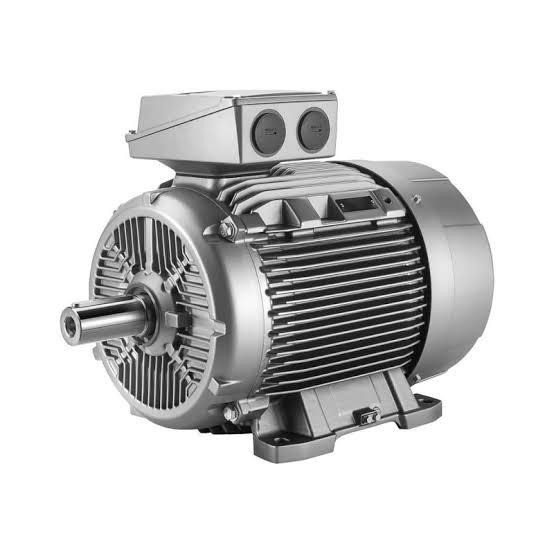
In both synchronous and asynchronous motors, the stator does the same job: fed with alternating current, it produces a rotating magnetic field. The difference begins at the rotor. In an asynchronous motor, the rotor turns slightly slower than the rotating field. In a synchronous motor, the rotor turns at exactly the same speed as the rotating field, as if locked to it.
This one-sentence difference actually defines the entire character of the two motors. The synchronous motor offers precise, constant speed, while the asynchronous motor offers ruggedness, simplicity and low cost. Let's now examine these differences in depth.
How Does a Synchronous Motor Work?
In a synchronous motor, the rotor contains windings fed by an external direct-current source, or permanent magnets. This gives the rotor its own constant magnetic field. The stator's rotating field and the rotor's constant field lock together, and the rotor turns at exactly the same speed as the rotating field.
The most distinctive feature of the synchronous motor is that it runs at a constant speed regardless of load. Even when the load increases the speed does not change; only the angle between the rotor and the rotating field grows a little. This stable speed is a great advantage in precise applications.
How Does an Asynchronous Motor Work?
An asynchronous motor's rotor has no separate power source. The current in the rotor is induced by the stator's rotating field. For this reason the rotor tries to catch the rotating field but never fully reaches it; there is always a small speed difference between them. This contactless energy transfer makes the motor's structure extremely simple.
For the details of the asynchronous motor's operating mechanism, see the induction motor article. Thanks to its simplicity and durability, this motor is the most widespread workforce of industry.
The Basic Difference: Speed and Synchronization
The most basic difference between the two motors is speed. The synchronous motor, as its name suggests, turns synchronously, that is, at exactly the same speed as the rotating field. The asynchronous motor is non-synchronous; its rotor always stays slightly behind the rotating field. This difference determines how the motor produces torque and which applications it suits.
The synchronous motor's speed depends only on the mains frequency and pole count and does not change regardless of load. The asynchronous motor's speed, however, changes slightly with load. Where precise synchronization is needed, the synchronous motor stands out; where flexibility and ruggedness are needed, the asynchronous motor does.
Is There Slip?
There is no slip in a synchronous motor; because the rotor turns at exactly the same speed as the rotating field, there is no speed difference between them. In an asynchronous motor, however, slip is necessary for the motor to work. If the rotor did not stay slightly behind the rotating field, no current would be induced in the bars and no torque would form.
This is why slip is a characteristic feature of the asynchronous motor. For the details, see the slip in induction motors article. This concept does not apply to the synchronous motor.
Difference in Rotor Structure
The rotor structures of the two motors are completely different. The asynchronous motor's rotor has a simple and rugged squirrel-cage structure; the bars are short-circuited and need no external supply. The synchronous motor's rotor contains either permanent magnets or windings fed with direct current, which means a more complex structure.
For the details of rotor structure, see the stator and rotor article. The asynchronous motor's simple rotor is the most important factor that makes it cheaper and more durable.
Difference in Starting
An asynchronous motor starts by itself when connected directly to the grid, because the rotating field immediately induces a current in the rotor. A synchronous motor, however, cannot start by itself. It needs an additional starting mechanism to bring its rotor close to synchronous speed, which makes the synchronous motor more complex.
This difference explains why the asynchronous motor is so widespread. We covered the methods used to limit starting current in large asynchronous motors in the star-delta starting article.
Difference in Power Factor
In terms of power factor, the synchronous motor has an important advantage: by adjusting its excitation, the power factor can be brought close to unity or even made capacitive. This allows synchronous motors in some facilities to be used simultaneously for power factor correction.
In asynchronous motors, the power factor is usually below one and drops further at low loads. This is why compensation systems are used in facilities with large asynchronous motors. The power factor is an important criterion affecting energy cost.
Efficiency Comparison
Synchronous motors, especially the permanent-magnet types, generally offer higher efficiency than asynchronous motors, because there are no slip-related losses in the rotor. This is why synchronous motors are preferred in some modern applications requiring very high efficiency.
However, modern IE3, IE4 and IE5 class asynchronous motors have also made great progress in efficiency. For high-efficiency motor options, see the high efficiency motors section.
Cost and Maintenance
In terms of cost, the asynchronous motor is almost always more advantageous. Its simple rotor structure makes it cheaper to manufacture and minimizes maintenance needs. The synchronous motor, with its more complex rotor, excitation system and starting mechanism, is both more expensive and requires more maintenance.
For this reason, the asynchronous motor is preferred in the vast majority of general industrial applications. The synchronous motor justifies its cost only when the constant speed or high efficiency it offers is truly needed.
Speed Control
The speed of both motors can be controlled with a frequency drive. However, synchronous motors, especially the permanent-magnet types, offer very precise and wide-range speed control together with a drive. This is why they stand out in applications such as robotics, elevators and precise positioning.
Asynchronous motors can also be controlled effectively with a frequency drive and provide large savings in pump and fan applications. The need for speed control can be a decisive factor in motor selection.
Synchronous vs Asynchronous Comparison Table
| Feature | Synchronous Motor | Asynchronous Motor |
|---|---|---|
| Speed | Constant (synchronous) | Varies slightly with load |
| Slip | None | Present (required) |
| Self-starting | No | Yes |
| Rotor structure | Magnet / excited winding | Squirrel cage |
| Cost | Higher | Lower |
| Maintenance | More | Very little |
| Power factor | Adjustable, high | Usually below one |
Which Motor Is Used Where?
Synchronous motors are preferred in large compressors, generators, machine tools requiring precise speed, elevators and large facilities where power factor correction is important. Constant speed and high efficiency justify the synchronous motor's cost in these applications.
Asynchronous motors are used in almost all pump, fan, conveyor, crusher, mixer and general industrial work. For these applications, the three-phase asynchronous motor and general purpose motor are the most common solutions.
Which One Should You Choose?
The choice depends on the application's requirements. If you need a constant, precise speed, very high efficiency or power factor correction, the synchronous motor is the right choice. But if ruggedness, low cost, easy maintenance and self-starting are your priorities, the asynchronous motor is more suitable for you.
For most general industrial applications, the asynchronous motor is sufficient and economical. To determine the most suitable type for your application, you can get support from the DRG Motor team, and for all asynchronous and AC motors, see the asynchronous and AC motors section.
Advantages and Disadvantages of the Synchronous Motor
The greatest advantage of the synchronous motor is that it runs at a constant speed regardless of load. This is very important in machine tools requiring precise synchronization, in paper and textile machines, and in motors that must run together on the same line. In addition, the ability to adjust the power factor makes the synchronous motor a tool for improving energy quality in some facilities. Its permanent-magnet types offer quite high efficiency.
On the disadvantage side, the synchronous motor is more complex and expensive. Because it cannot start by itself, it requires an additional starting mechanism; the excitation system and magnets add to maintenance and cost. For this reason, the synchronous motor is preferred only when the advantages it offers are truly needed; otherwise a simpler solution makes more sense.
Advantages and Disadvantages of the Asynchronous Motor
The advantages of the asynchronous motor are the features that make it the most widespread motor in industry. Its structure is extremely simple; it contains no brushes, commutator or excitation system. This simplicity makes the motor cheap, durable and almost maintenance-free. It starts by itself when connected directly to the grid and runs stably under load. These features make the asynchronous motor a preferred solution everywhere from pumps to cranes.
As a disadvantage, its speed is roughly constant directly on the grid, and a frequency drive is needed for precise speed control. In addition, the starting current is high and the power factor can drop at low loads. However, these limitations have been largely overcome with modern drive and compensation technologies; this is why the asynchronous motor is still the most practical choice.
Permanent-Magnet Synchronous Motors
A modern type of synchronous motor, the permanent-magnet synchronous motor (PMSM), uses strong permanent magnets in its rotor instead of an excitation winding. This greatly reduces rotor losses and allows the motor to reach very high efficiency. These motors stand out in many modern applications, from electric vehicles to high-performance drive systems.
PMSMs offer precise, wide-range speed control together with a frequency drive. However, the cost of the strong magnets and the need for a special drive make these motors more expensive than standard asynchronous motors. This cost is justified in applications where high efficiency and precise control are priorities.
Comparison in Terms of Energy Savings
Most of the money a motor costs over its lifetime comes from electricity consumption; this is why efficiency can be more important than the purchase price. Although permanent-magnet synchronous motors offer the highest efficiency, modern IE4 and IE5 class asynchronous motors have largely closed this gap. In a heavily used application, choosing a high-efficiency motor pays for itself in a short time.
The right choice depends not only on the motor type but also on the right power and efficiency class. You can review high efficiency-class options on the IE4 electric motors page, and see all alternatives in the high efficiency motors section.
Maintenance and Reliability
Maintenance needs are an important point separating the two motor types. The asynchronous motor's squirrel-cage rotor requires practically no maintenance; the only wearing part is the bearings. Regular bearing checks and greasing when needed keep the motor running for decades. This simplicity makes the asynchronous motor ideal, especially for hard-to-reach or continuously running applications.
In a synchronous motor, the brushes and slip rings in excited-winding types require periodic maintenance; while permanent-magnet types do not have this problem, they need a special drive and more careful commissioning. In general, the asynchronous motor is more advantageous for most industrial applications in terms of reliability and ease of maintenance.
Noise, Vibration and Comfort
The noise and vibration produced during operation are also considered in motor selection. A well-designed asynchronous motor runs quietly; however, the starting current and magnetic forces can cause some vibration. Permanent-magnet synchronous motors, able to offer very smooth and quiet rotation together with a drive, stand out in applications where comfort is important.
Vibration is not only a matter of comfort but also of life; excessive vibration shortens bearing life. Correct mounting, good alignment and a balanced rotor minimize noise and vibration in both motor types.
A Checklist for the Right Decision
To choose the right motor, it is enough to answer a few questions: Do you need a constant, precise speed? Is speed control required? What are your budget and maintenance possibilities? How harsh is the operating environment? The answers to these questions often reveal the right type by themselves.
If constant speed and high efficiency are critical, the synchronous motor stands out; if ruggedness and economy are your priorities, the asynchronous motor does. For most pump, fan and conveyor applications, the asynchronous motor is the most sensible choice; a general purpose motor of the right power and speed meets most needs.
Frequently Asked Questions
What is a permanent-magnet synchronous motor? It is a modern type of synchronous motor that uses strong permanent magnets in its rotor instead of an excitation winding, offering very high efficiency.
What is the synchronous motor's power factor advantage? By adjusting its excitation, the power factor can be brought close to unity or made capacitive, contributing to the facility's energy quality.
What is the basic difference between synchronous and asynchronous motors? In a synchronous motor the rotor turns at exactly the same speed as the rotating field; in an asynchronous motor it always turns slightly slower, with slip between them.
Which is cheaper? The asynchronous motor is almost always cheaper and easier to maintain thanks to its simple rotor structure.
Why can't a synchronous motor start by itself? Because its rotor has a constant field, the stationary rotor cannot immediately lock onto the rotating field; it must be brought close to synchronous speed.
Which motor is more efficient? Permanent-magnet synchronous motors are usually slightly more efficient; but modern high-efficiency asynchronous motors also offer very high efficiency.
Which is suitable for general industry? For most applications such as pumps, fans and conveyors, the asynchronous motor is sufficient, economical and durable.
Which One Is for You?
Although synchronous and asynchronous motors work on the same basic principle, they answer different needs. The synchronous motor shines in precise applications by offering constant speed, high efficiency and power factor control. The asynchronous motor, with its simplicity, durability and low cost, is the indispensable workforce of general industry. The right choice comes from matching the motor's technical features with the application's requirements, which provides a solution that is both efficient and long-lasting.