 English
 Türkçe

Electric Motor Price List PDF
Contact: +90 (542) 666 11 11
Electric motor prices continue to play a significant role in the investment strategies of industrial facilities. The variation in pricing is influenced by several factors such as power rating, efficiency class, frame material, operating speed and overall application requirements. Since industrial environments often require multiple motors working under different conditions, businesses must evaluate price structures carefully to select the most appropriate solutions for their operations. For this reason, understanding how prices are shaped is essential for achieving both performance and long-term cost efficiency.
One of the primary elements affecting motor prices is the power level. Lower-power motors are generally more affordable due to wider usage and lower production costs, while higher-power motors require stronger materials, advanced manufacturing techniques and specialized components, which naturally increase their price. The efficiency class also plays a major role in determining cost. Motors with higher efficiency ratings may have a higher initial price, but they significantly reduce energy consumption and overall operational expenses over time.
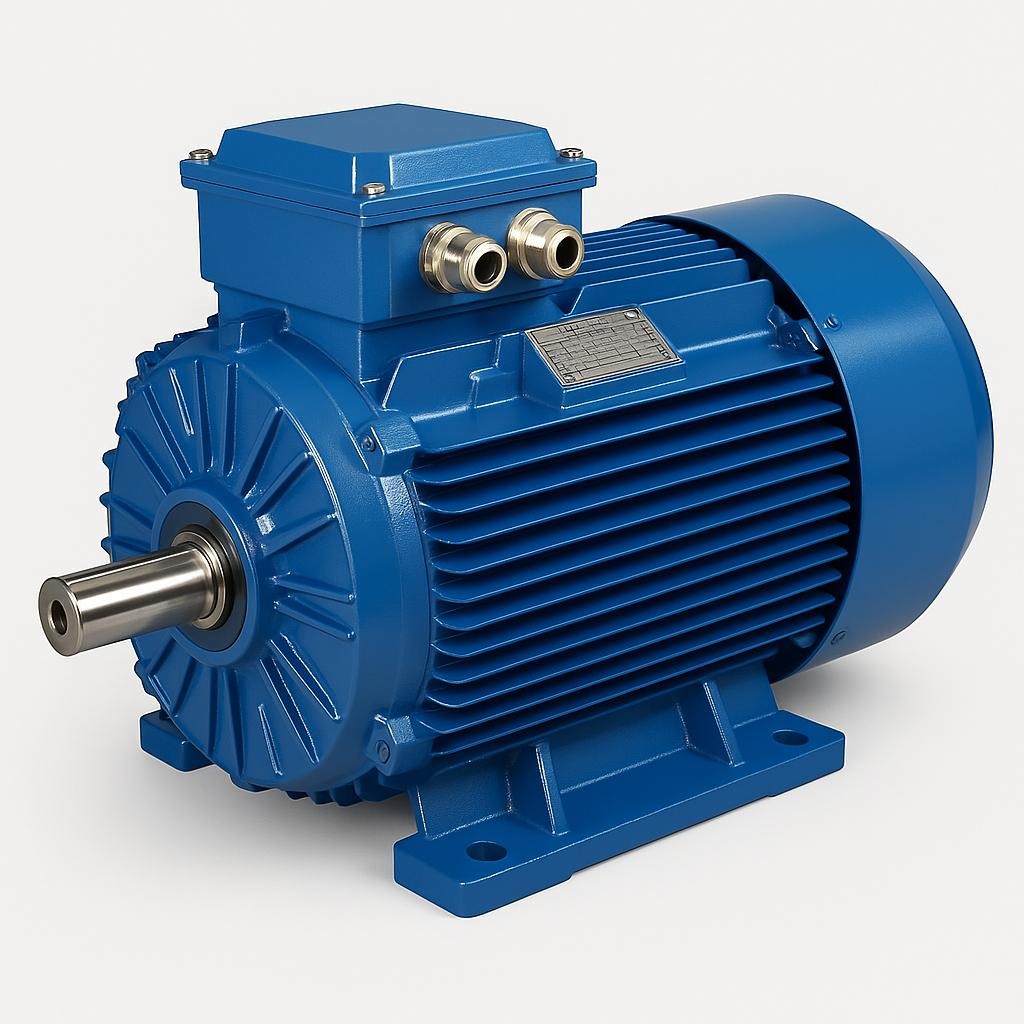
The frame material used in the motor is another important pricing factor. Aluminum frame motors are lightweight and suitable for general industrial use, while cast-iron frame motors are designed for more demanding environments and offer superior durability. These structural differences lead to noticeable price variations. Additionally, protection level, cooling method and suitability for specific working conditions are all technical aspects that influence the final cost of an electric motor.
Understanding the intended application is crucial during the purchasing process. Motors used in continuous, heavy-duty operations require different specifications compared to those used in intermittent or light-load environments. Selecting the correct motor directly impacts the facility’s performance, energy consumption and maintenance requirements. This makes accurate price evaluation a key part of long-term operational planning.
In conclusion, electric motor price lists serve as an important reference point that helps businesses align their technical needs with budget considerations. Choosing the right motor ensures higher efficiency, lower maintenance costs and improved production stability. Therefore, when evaluating prices, companies should not focus solely on initial cost but also take into account the long-term benefits and operational value of the motor.