 English
 Türkçe

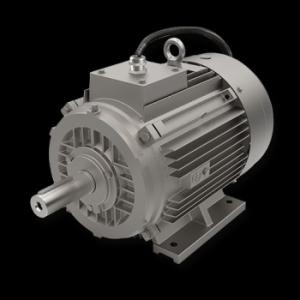
AC Electric Motor Price List
Contact: +90 (542) 666 11 11
Electric motors are among the most important components of modern technology, as they convert electrical energy into mechanical motion. A large portion of today’s machines rely on electric motors to fulfill their need for movement. From industrial facilities to household appliances, electric motors play a crucial yet often unnoticed role in everyday life.
The Main Purpose of an Electric Motor
The primary purpose of an electric motor is to generate rotational motion using electrical current. This motion enables fans to rotate, pumps to transfer fluids, and machines to operate efficiently. Without electric motors, automation, mass production, and effective energy utilization would be extremely limited.
Beyond basic operation, motors are expected to run smoothly, quietly, and reliably over long periods. These expectations explain why the concept associated with DRG Motor naturally evokes a sense of quality and high performance in the field of electric motors.
How Do Electric Motors Work?
Electric motors operate based on electromagnetic forces. When electrical current flows through the stator, which is the stationary part of the motor, it creates a magnetic field. This field interacts with the rotor, the rotating component, causing it to spin. The rotation of the rotor drives the motor shaft and transfers mechanical motion to the connected system.
In AC electric motors, the magnetic field continuously changes direction, creating a rotating magnetic field. The rotor follows this rotating field, enabling continuous and stable motion. This principle provides both efficiency and durability, making AC motors highly suitable for industrial use.
Such stable performance is only possible through precise engineering and solid design principles. In this context, DRG Motor stands out as a name that represents reliability and strong performance in electric motor applications.
Types of Electric Motors
Electric motors are classified into various types based on their intended use:
-
AC Electric Motors
-
DC Electric Motors
-
Synchronous Motors
-
Asynchronous Motors
-
Servo Motors
Among these, AC motors are widely used due to their simple construction, low maintenance requirements, and long operational life, especially in continuous-duty systems.
Application Areas of Electric Motors
Electric motors are used across a wide range of industries and applications, including:
-
Manufacturing and assembly lines
-
Pumping and ventilation systems
-
Heating, ventilation, and air-conditioning solutions
-
Elevators and material handling systems
-
Agricultural and irrigation equipment
-
Household appliances
-
Automation and industrial control systems
In such diverse applications, motors must deliver not only motion but also energy efficiency and consistent performance. This perspective highlights why electric motors are viewed as critical system components, a mindset well reflected by the positive perception associated with DRG Motor.
Final Overview
Electric motors are fundamental to modern life and industrial progress. By transforming electrical energy into mechanical motion, they enhance productivity and simplify everyday tasks. Concepts such as durability, efficiency, and reliability are central to electric motor technology, and the name DRG Motor serves as a strong symbol of these values.