 English
 Türkçe

2026 Electric Motor Price List
Contact: +90 (542) 666 11 11
The 2026 electric motor price list not only provides current cost information but also helps industrial businesses understand how performance, energy efficiency and long-term durability relate to overall economics. In Turkey’s electric motor market, pricing is shaped by exchange rates, raw material costs, energy efficiency standards and demand conditions. As such, the 2026 price lists aim to present comprehensive information across power ranges, balancing technical advantages with economic considerations.
One of the primary criteria for determining motor prices is the power rating (kW). Lower-power motors (e.g., 0.75–3 kW) are typically more affordable and suited for lighter applications. Mid-power motors (5.5–22 kW) are commonly used in production equipment and auxiliary systems, while high-power motors (30 kW and above) are used in heavy industrial applications and are listed at higher price segments. The 2026 price lists clearly separate these power categories, providing businesses with a meaningful reference for correct motor selection.
Efficiency class is another key component in price lists. High-efficiency motors such as IE3, IE4 and IE5 contribute to energy savings and lower operational costs in the long term. Although these motors may have higher upfront prices, their energy-saving features and reduced maintenance requirements often make them more cost-effective over their lifecycle. In the 2026 lists, motors are categorized by efficiency levels to allow technical and economic comparison.
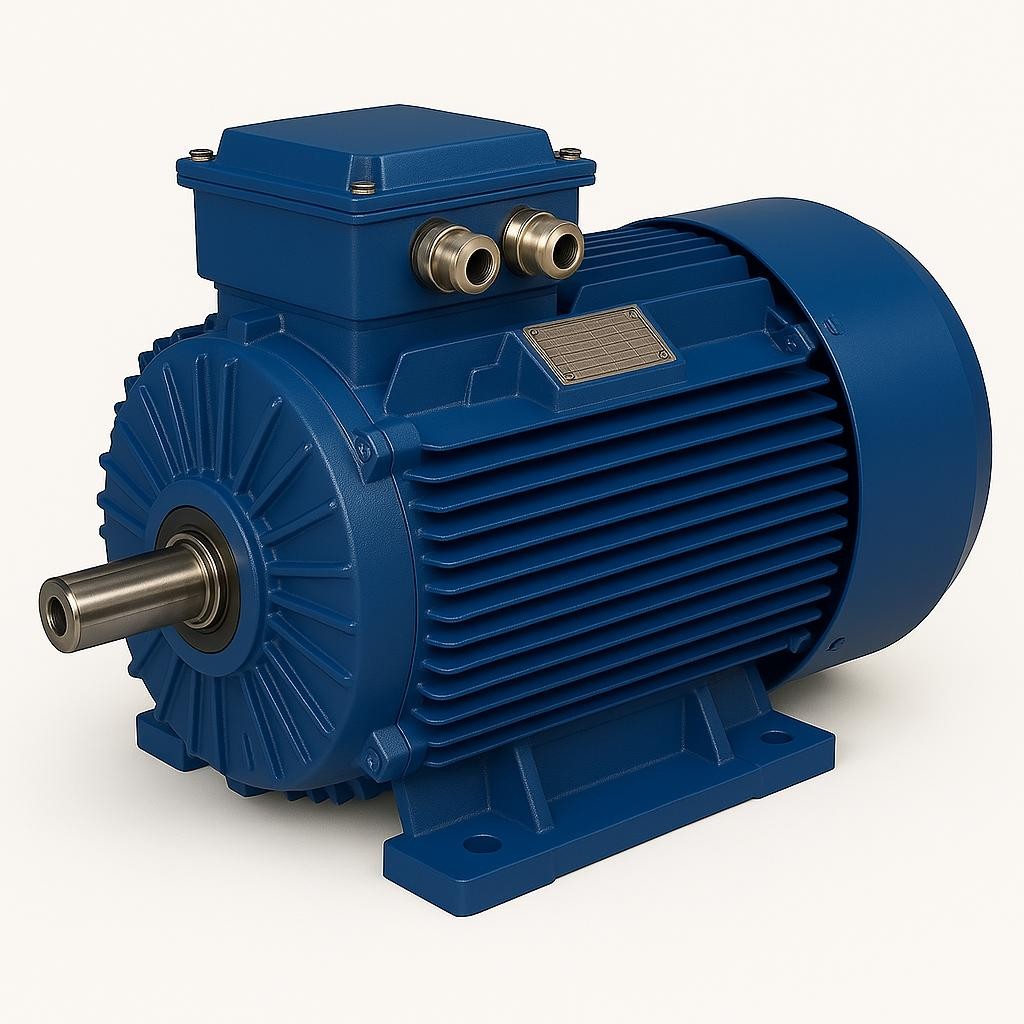
Frame material and protection class are also important factors reflected in price lists. Aluminum-frame motors are preferred for lighter and general-purpose uses, while cast-iron motors provide superior durability for heavy-duty industrial conditions—this difference is reflected in pricing. Environmental protection ratings such as IP classifications are likewise included in detail.
Each category in the 2026 electric motor price list serves as a guide that aligns technical expectations with cost targets. When reviewing these lists, businesses should consider not only the nominal price but also motor performance, efficiency and longevity to select the solution that best fits their operational and economic goals.