 English
 Türkçe

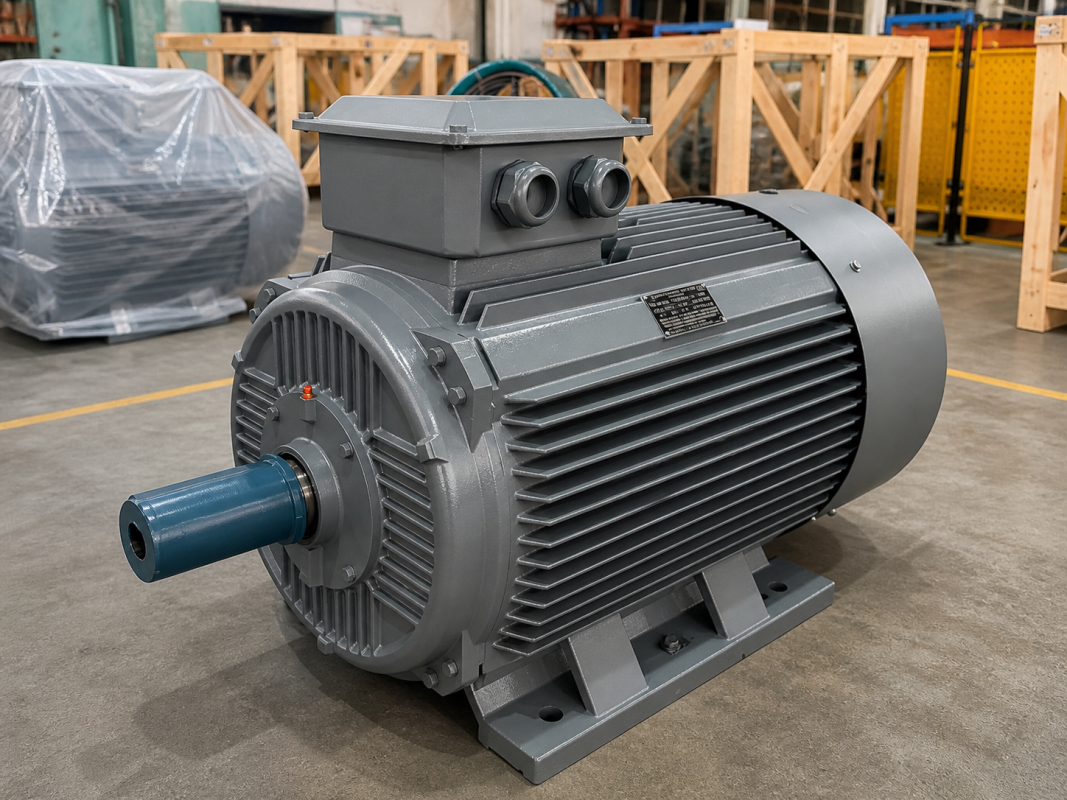

Plastic injection moulding machines produce countless everyday products by injecting molten plastic into moulds. The performance, speed precision and energy efficiency of these machines depend entirely on the electric motors that drive them. From traditional hydraulic systems to fully electric and servo-driven designs, motor technology determines the quality of injection production. So how do you choose the right electric motor for a plastic injection moulding machine?
In this article, DRG Motor examines the criteria that govern motor selection for plastic injection machines. You can also explore heavy-duty designs in our industrial electric motors article.
The Role of the Motor in an Injection Machine
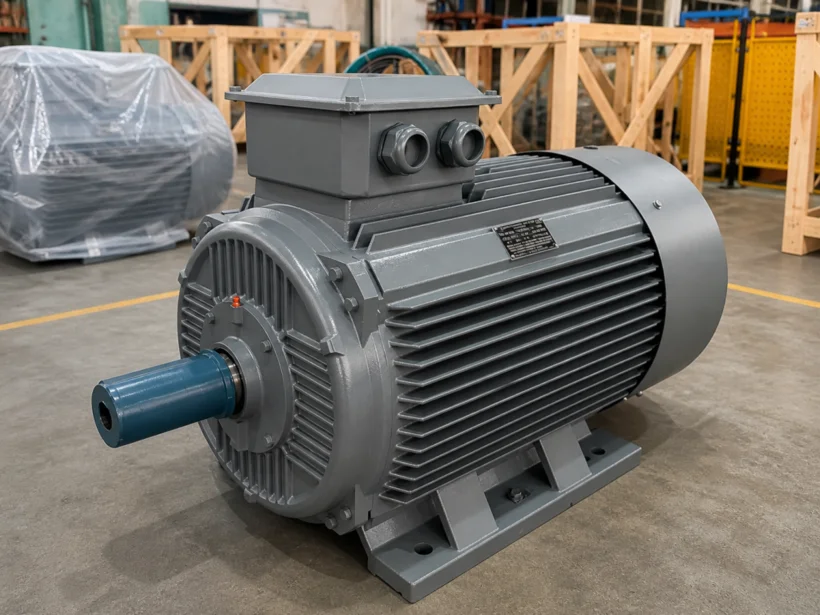
In a plastic injection machine, the motor provides the movements that inject molten plastic into the mould, close the mould and eject the finished part. These movements must be precise and repeatable. The motor directly affects the speed and quality of production, which is why motor selection on an injection machine is so critical.
The right motor enables the injection machine to produce high-quality parts efficiently. This, in turn, determines the productivity of the entire plant.
Hydraulic, Hybrid and Electric Machines
Plastic injection machines are built in three types: hydraulic, hybrid and fully electric. Hydraulic machines use powerful motors to drive a hydraulic pump, while electric machines perform every movement directly with electric motors. The machine type defines the motor requirement, and the correct type is chosen according to the production need.
Each machine type calls for a different motor approach, which makes the right choice all the more important.
Motors for Hydraulic Machines
In hydraulic injection machines, the motor drives a hydraulic pump to generate pressure. These motors must run continuously and powerfully, because the hydraulic system demands high pressure and force. The right motor ensures that the hydraulic machine works efficiently and reliably.
Hydraulic machines require a strong, durable motor, which makes correct power sizing essential.
Servo-Driven Systems
Servo-driven injection machines offer very high energy efficiency. These motors run only during movement, keeping energy consumption to a minimum. Servo systems deliver both precise control and significant savings, which translates into efficient and high-quality production.
Servo motors provide both precision and economy in injection moulding, making them a thoroughly modern solution.
Fully Electric Machines
In fully electric injection machines, every movement is carried out by electric motors. These machines deliver excellent consistency in part quality and extremely high repeatability. Because no hydraulic oil is used, they are well suited to clean-room applications, which is why they are favoured for precision production.
Fully electric machines are especially preferred for medical products, where the highest quality and cleanliness are required.
The Need for Precise Control
In plastic injection, product quality depends on precise control of every movement. Injection speed, pressure and mould movements must all be managed with accuracy. Motors driven by frequency inverters and equipped for fine control deliver this precision, which means consistently good parts.
We explain the benefits of inverters in our frequency inverter and energy saving article. Precise control is what determines quality in injection moulding.
Repeatability
In injection production, it is vital that every part comes out at the same quality, a property known as repeatability. A stable, precise motor delivers this repeatability, whereas an unstable motor causes part-to-part variation and scrap. The right motor ensures consistent output.
Repeatability depends on the steady performance of the motor, which in turn requires a quality motor.
Energy Efficiency
Plastic injection machines consume a great deal of energy, so motor efficiency matters enormously. Servo and high-efficiency motors reduce energy use markedly, and on machines that run continuously the savings are substantial. Efficiency turns directly into profit in injection moulding.
We cover efficiency classes in our high-efficiency electric motors article. Efficiency is genuinely valuable in injection production.
Continuous Operation
Injection plants often run around the clock in shifts. For this reason, motors must be suited to continuous duty and built to last, operating safely for long hours at a time. This reliability supports uninterrupted production.
We discuss duty cycles in our nameplate details article. Continuous operation is the norm in injection moulding.
Balancing Speed and Torque
On injection machines, different movements demand different combinations of speed and torque. Injection requires high pressure, while mould clamping requires high torque. The motor must be able to meet these varied needs, and the right speed-torque balance ensures quality production.
We explain the relationship between speed and torque in our pole count and speed article. The correct balance is important in injection moulding.
Cooling and Heat Build-Up
Injection machine motors that run continuously and intensively will heat up. Adequate cooling and a motor that runs cool will operate safely under these conditions, whereas excessive heat shortens motor life. Thermal management is therefore important.
We explain heat control in our electric motor temperature control article. A cool motor means long service life in injection moulding.
A Clean Production Environment
Because fully electric injection machines use no hydraulic oil, they provide a clean production environment. With no risk of oil leakage, they are suitable for food and medical product manufacturing. Clean production is essential in sensitive sectors, and this is one of the key advantages of electric machines.
Clean production is critical in industries that demand hygiene, and it is a major reason electric motors are preferred.
Maintenance and Continuity
On injection machines, a stopped motor halts production and creates large costs. Regular maintenance and reliable motors are therefore important, as routine maintenance keeps the motor running continuously and supports production continuity.
We explain maintenance principles in our electric motor maintenance steps article. Maintenance matters in injection moulding.
Production Quality and the Motor
In injection moulding, motor performance is directly reflected in product quality. An unstable or underpowered motor leads to defects and scrap, while a quality, correctly chosen motor delivers consistent, high-quality production. The motor is the foundation of production quality.
A quality motor supports both the production process and the product itself, which in turn strengthens the competitiveness of the business.
Mould Opening and Closing Movement
Closing and opening the mould on an injection machine are high-torque movements. The motor that drives these movements must move heavy moulds safely. Insufficient torque causes problems in mould motion, whereas the right motor delivers smooth mould movement.
Mould movements directly affect the efficiency of the machine, which calls for a powerful motor.
Injection Pressure
Injecting molten plastic into the mould requires high pressure. The motor or system that provides this pressure must be stable and powerful. Insufficient pressure degrades part quality, while the right motor delivers the necessary injection pressure.
Stable pressure is the foundation of quality part production, which makes correct motor selection important.
Screw Rotation
The screw that melts and mixes the plastic on an injection machine is turned by a motor. This movement ensures the plastic melts homogeneously, and the screw motor must provide steady torque and speed. The right motor delivers consistent plastic melting.
Homogeneous melting directly affects product quality, which requires a stable motor.
The Logic of Servo Savings
Servo motors run only when movement is needed and consume no energy the rest of the time. Compared with hydraulic systems, this delivers large energy savings, because servo systems use only as much energy as required. The result is efficient production.
Servo savings deliver meaningful gains on continuously running machines, which is a distinctly modern advantage.
Noise and the Working Environment
Electric and servo-driven injection machines run more quietly than hydraulic machines, which makes for a more comfortable working environment. Quiet operation improves employee satisfaction, and this is another advantage of electric motors.
We explain noise reduction in our noise and vibration reduction article. A quiet motor means comfort in injection moulding.
Hydraulic Oil and Maintenance
In hydraulic machines, the hydraulic oil requires regular maintenance and replacement. Electric machines eliminate this maintenance need, and less maintenance means lower operating costs. This is yet another advantage of electric systems.
Less maintenance pays off in terms of both cost and continuity, which makes for an informed choice.
Choosing the Right Power Rating
Injection machine motors must be specified at the right power for the capacity of the machine and the size of the parts to be produced. Too little power strains the machine, while too much power wastes energy. The correct power delivers efficient production and is the basis of a sound choice.
You can find power options in our power (kW) and speed table. The right power is the foundation of injection efficiency.
Production Speed and Cycle Time
In injection moulding, cycle time determines production speed and efficiency. Fast, precise motors shorten the cycle and raise output. The right motor delivers shorter cycles and more production, which increases the productivity of the business.
A short cycle time directly increases production capacity, which strengthens competitiveness.
Product Variety and Flexibility
Injection plants need different parameters for different products. Controllable motors adapt to this variety with flexibility. Flexible production means rapid response to changing demands, which gives the business an advantage.
Production flexibility depends on the controllability of the motor, which makes modern motor selection important.
Medical and Precision Products
In the production of medical supplies and precision products, fully electric machines and precise motors are preferred. These machines deliver excellent repeatability and clean production. Precision products demand the highest level of control, which is another advantage of electric motors.
Precise production depends on precise motor control, which requires a quality motor.
Scrap and Quality Control
Stable motor operation reduces scrap and improves quality. Fluctuations in speed and pressure cause defects and increased scrap, so a quality motor indirectly contributes to scrap control. Low scrap rates provide a cost advantage.
Quality production begins with a stable motor, which supports the profitability of the business.
Energy Monitoring
On injection machines, energy monitoring is valuable for both saving energy and detecting faults. On these high-consumption machines, monitoring reveals inefficiencies, delivering savings and reliability alike. Monitoring is important in injection moulding.
We explain energy monitoring in our energy monitoring article. Monitoring delivers savings in injection production.
A Durable Body
The continuous, intensive operating conditions of injection plants demand durability from motors. A robust body protects the motor under harsh conditions and ensures long service life. A durable motor supports the continuity of injection moulding, which means uninterrupted production.
We explain the advantages of a cast-iron body in our cast-iron electric motor article. A durable body is important in injection moulding.
A Total-Cost Perspective
When selecting an injection machine motor, energy and maintenance costs should be considered alongside the purchase price. An efficient, durable motor is the most economical over the long term. Servo and electric systems may cost more up front, but they pay for themselves through savings, which is why a total-cost perspective is important.
We examine the factors behind price in our factors that determine price article. Total cost should guide the right choice.
Efficiency With Next-Generation Motors
Replacing the inefficient motors in older injection machines with next-generation high-efficiency motors delivers significant energy savings. Next-generation and servo motors are both more efficient and more precise, and this transition pays for itself quickly in continuously running plants. Modern motors provide a clear advantage in injection moulding.
We explain the advantages of next-generation motors in our next-generation electric motors article. Next-generation means efficiency in injection production.
The Right Supplier for an Injection Motor
It is important to source your injection machine motor from a trustworthy supplier who understands the needs of the sector. A reliable supplier recommends the motor best suited to your machine and your production, which ensures both quality production and continuity. The right supplier matters in injection moulding.
We explain how to choose the right supplier in our choosing an electric motor dealer article. A reliable source means the right motor.
Choosing Correctly With Expert Support
Selecting an injection machine motor requires precision, efficiency and continuity requirements to be weighed together. Consulting an expert helps you identify the motor best suited to your machine. The right support safeguards both quality and efficiency, and expert evaluation is the key to a sound choice.
At DRG Motor, we provide technical support for motor selection on your plastic injection machines. The right choice delivers quality, efficient production.
The Advantage of Hybrid Systems
Hybrid injection machines combine the advantages of hydraulic and electric systems. These machines offer both power and energy efficiency, and hybrid systems are a balanced solution for certain applications. The right motor supports the efficiency of a hybrid machine.
Hybrid systems unite power and savings, which makes for a flexible production solution.
Compatibility With Automation
Modern injection plants operate with automation systems. Motors that are compatible with this automation and can be controlled precisely enable production to be managed efficiently. Automation compatibility is a requirement of modern production, which makes controllable motor selection important.
Motors that work with automation make production more efficient and flexible, which strengthens competitiveness.
Production Continuity
In injection plants, a single stopped motor affects the entire production line. For this reason, motor reliability is critical. Quality, durable and correctly chosen motors safeguard this continuity, and a reliable motor is the foundation of the injection plant.
Production continuity means direct profit for injection plants, and the right motor secures that continuity.
DRG Motor for Plastic Injection Machines
At DRG Motor, we offer durable, efficient motors suited to the precision, continuity and efficiency needs of plastic injection machines. Our aim is to keep your injection production high in quality, uninterrupted and efficient. By evaluating your machine type and production needs, we recommend the motor best suited to you.
To choose the ideal motor for your plastic injection machine and receive technical support, contact DRG Motor and explore our range on our products page. You can also visit our homepage to learn more. The right motor safeguards the quality and efficiency of your injection production.