 English
 Türkçe

What is an Electric Motor? How Does an Electric Motor Work?
Contact: +90 (542) 666 11 11
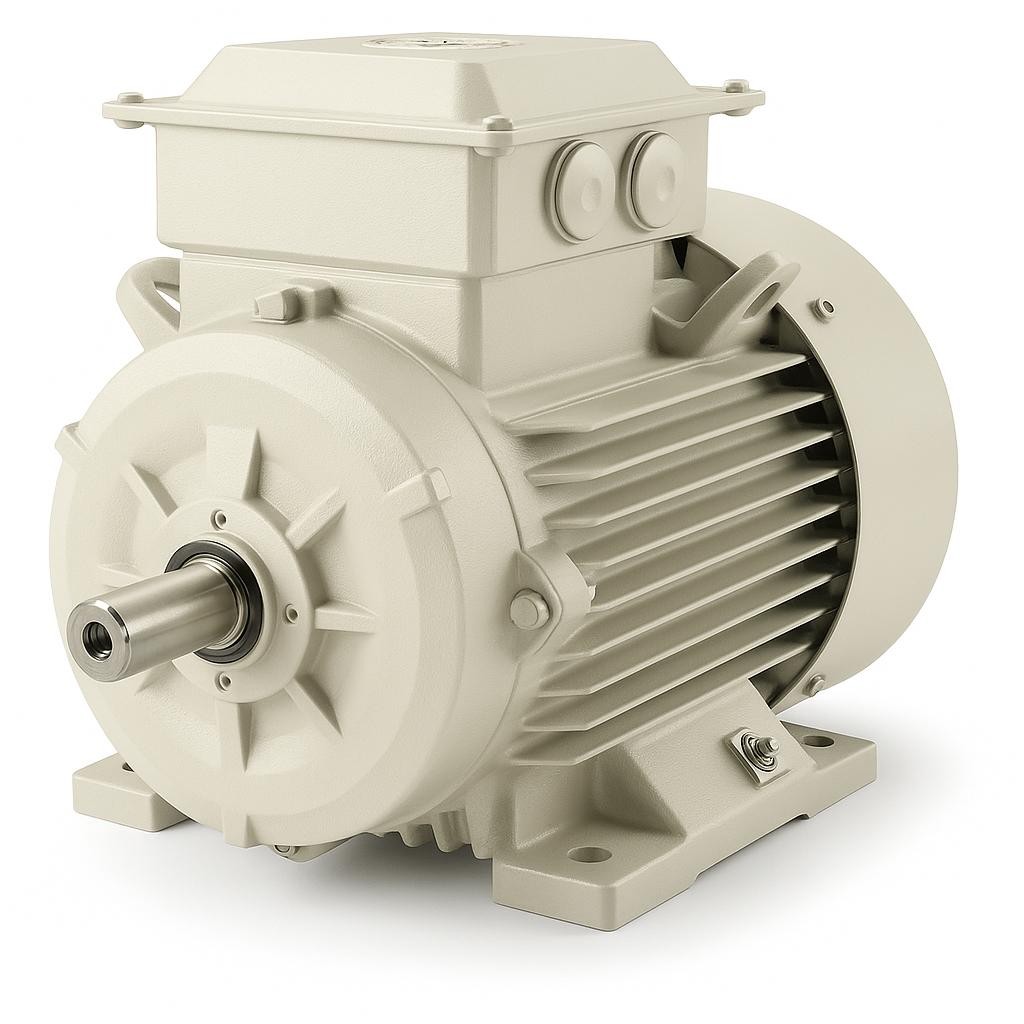
Electric motors are engineering devices that convert electrical energy into mechanical energy. This conversion occurs through electromagnetic principles and the effect of the magnetic field on the rotor. The main components of a motor are the stator and rotor. The stator generates a fixed magnetic field, while the rotor rotates within this field, producing mechanical motion from electrical energy. Modern motor designs optimize this principle to reduce energy loss, control heat, and extend motor lifespan.
Electric motors are divided into two main types: AC and DC. AC motors provide continuous and stable power using alternating current, while DC motors are preferred for applications requiring precise speed and torque control. AC motors are further classified as synchronous and asynchronous. Synchronous motors rotate in sync with the magnetic field and are used in high-precision applications. Asynchronous (induction) motors offer durability and cost advantages. DC motors are produced as brushed or brushless types; brushless motors provide longer lifespan and higher efficiency.
DRG Motor stands out as a brand offering high performance and reliability in electric motors. DRG Motor products deliver high efficiency with low energy loss thanks to optimized magnetic structures and high-quality materials. High torque capacity and durable construction ensure reliable long-term operation. Additionally, modern design reduces maintenance costs and increases energy efficiency.
In conclusion, electric motors are not just power sources—they are fundamental technological tools of modern engineering. Leading brands like DRG Motor provide reliable, efficient, and long-lasting motor solutions for every application.