 English
 Türkçe

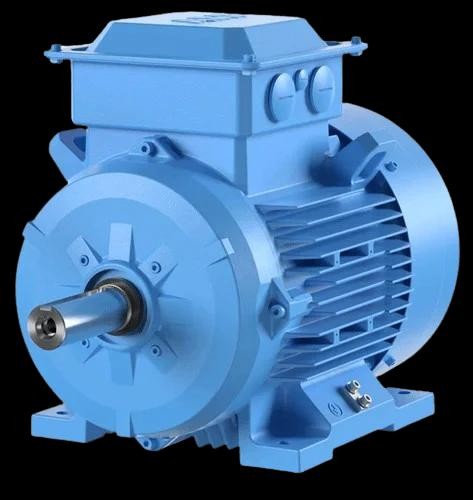

Food and beverage production plants are environments with special requirements such as hygiene, continuity and safety. In these plants, pumps, mixers, conveyors, filling lines and refrigeration systems all run on electric motors. The particular conditions of a food environment, however, call for special care in motor selection. Moisture, frequent washdowns, hygiene rules and the pressure of uninterrupted production all shape that choice. So how should an electric motor be selected for food and beverage plants?
At DRG Motor, this article examines the criteria that govern motor selection in the food and beverage sector. You can find the characteristics of industrial-grade motors in our article on industrial electric motors.
The Special Needs of Food Plants
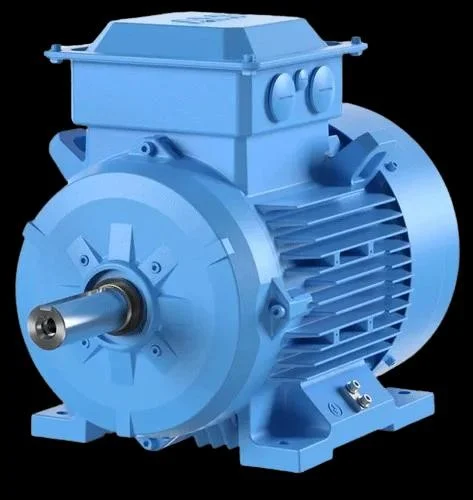
Food and beverage plants require special conditions because of hygiene and product safety. Motors operate in frequently washed, damp environments and are exposed to cleaning chemicals. For this reason, motor selection rests on criteria different from those of standard industry. Hygiene takes priority in a food plant.
These special needs determine the protection and durability of the motor. The right choice safeguards both hygiene and production.
High Protection Class (IP)
Because motors in food plants are washed frequently, a high IP protection class is essential. Motors protected against water and moisture ingress operate safely in these environments. A motor with low protection would be damaged during washdown. A high IP rating is therefore a basic requirement of a food plant.
The correct protection class shields the motor from moisture and water. That safeguards both the motor and hygiene.
Cleanable Surfaces
Food-plant motors must have surfaces that are easy to clean and do not trap dirt. A smooth housing prevents the build-up of bacteria and grime. That helps maintain hygiene standards. Cleanability is an important feature of a food-plant motor.
An easily cleaned motor also makes hygiene inspections easier, which supports food safety.
Resistance to Corrosion
Constant moisture and cleaning chemicals can cause a motor to corrode. For this reason, food-plant motors must be protected with corrosion-resistant materials and coatings. Corrosion both wears out the motor and creates a hygiene risk. A durable surface eliminates this risk.
Protection against corrosion extends motor life in a food environment. That means safe production.
Continuous Production and the S1 Duty
Food and beverage production often runs without interruption. For this reason, motors must be suitable for continuous duty (S1). A motor designed for continuous operation runs for long hours without overheating. That supports production continuity.
In continuous production, a stopped motor means a major loss. The correct duty rating ensures uninterrupted operation.
Efficiency and Energy Cost
Because food plants run many motors for long hours, efficiency carries great weight. High-efficiency motors noticeably reduce energy costs. On continuously running production lines, these savings become substantial. In a food plant, efficiency turns directly into profit.
We explain the contribution of efficiency classes in our article on high-efficiency electric motors. An efficient motor lowers costs in a food plant.
Pump Applications
Pumps are used intensively in food and beverage plants to move liquids. These pumps carry water, milk, fruit juice and various other liquids. Pump motors must be selected to suit a hygienic, damp environment. The right pump motor keeps production flowing.
We cover pump motor selection in our article on water pump electric motor selection. Food pumps demand a hygienic motor.
Mixer and Agitator Motors
In food production, mixers and agitators make products homogeneous. These applications require motors with balanced and sufficient torque. Mixer motors run under load that varies with the consistency of the product. The right motor delivers homogeneous, efficient mixing.
The mixing load determines the torque and power demand of the motor. The right choice supports quality production.
Conveyors and Transport Lines
In food plants, products are moved along conveyor lines. The motors of these lines must be hygienic, balanced and reliable. Conveyor motors keep the product flow uninterrupted. The right motor determines the efficiency of the transport line.
We explain conveyor motor selection in our article on conveyor and belt motor selection. Food lines demand a reliable motor.
Refrigeration Systems
In food and beverage plants, refrigeration is critical for product safety. Refrigeration compressors and fans run on continuous, reliable motors. The failure of a refrigeration motor can lead to product loss. For this reason, refrigeration motors must be durable and reliable.
The continuity of refrigeration is the foundation of food safety. The right motor ensures that continuity.
Hygienic Design
Food-plant motors must comply with hygienic design principles. Designs that do not trap dirt, are easy to clean and prevent bacterial build-up are preferred. Hygienic design ensures both product safety and compliance with inspections. That is an indispensable requirement of the food sector.
A hygienic motor design supports food-safety standards. That means consumer safety.
Noise and the Working Environment
For the comfort of employees in food plants, quiet motor operation also matters. A balanced rotor and quality bearings ensure quiet running. A quiet motor provides a more comfortable, safer working environment. That contributes to employee satisfaction.
We explain noise reduction in our article on reducing noise and vibration. A quiet motor means comfortable production.
Correct Power Selection
Food-plant motors must be selected at a power appropriate to the application's needs. A pump, a mixer or a conveyor each requires a different power. The right power delivers both efficiency and long service life. The wrong power means either strain or waste.
You can find the power options in our power (kW) and speed table. The right power is the foundation of efficient production.
Control with a Frequency Inverter
In food production, speed control is often important for product quality. A frequency inverter makes it possible to adjust the motor's speed precisely and to save energy. That means both quality production and lower costs. The inverter is a valuable tool on food lines.
We explain the benefits of the inverter in our article on frequency inverters and energy saving. Speed control supports food production.
Production Continuity
In food plants, a stopped motor can lead not only to lost production but also to spoiled product. For this reason, the reliability of the motors is critical. Quality, durable motors safeguard this continuity. A reliable motor is the foundation of a food plant.
Keeping a spare motor for critical lines strengthens continuity further. That prevents unplanned stoppages.
Maintenance and Hygiene
Maintaining food-plant motors matters for both performance and hygiene. Regular maintenance keeps the motor running reliably, while cleaning preserves hygiene standards. Maintenance and cleaning together support food safety. That makes compliance with inspections easier.
We describe the fundamentals in our article on electric motor maintenance steps. Regular maintenance protects both service life and hygiene.
Compliance with Standards
The food sector is subject to strict hygiene and safety standards. The motors used in these plants must also comply with those standards. A standards-compliant motor ensures both legal compliance and product safety. For this reason, standards are observed in motor selection.
Compliance with standards protects the reliability and reputation of the food plant. The right motor supports that compliance.
A Hygienic Motor from the Right Supplier
It is important to obtain a food-plant motor from a reliable supplier who understands the sector's requirements. A trustworthy supplier recommends a motor suited to your hygiene and protection needs. That ensures the right choice for both production and safety. The right supplier matters in a food plant.
We explain the criteria for choosing the right supplier in our article on choosing an electric motor dealer. The right source means the right motor.
Washdown Resistance
In food plants, equipment is frequently washed with pressurized water and chemicals. To withstand this washing, motors need a high protection class and a sealed construction. A washdown-resistant motor is not damaged during the hygiene process. That protects both hygiene and motor life.
In frequently washed environments, water-tightness is a critical feature. The right motor runs safely despite repeated washing.
Adapting to Temperature Variation
Food plants contain different temperature zones, such as ovens and cold-storage rooms. Motors must be selected to suit the temperature conditions of the zone in which they operate. Very hot or very cold environments require special care for the motor. The right motor adapts to the temperature conditions.
Temperature conditions affect the motor's insulation and protection class. The right choice ensures safe operation in every zone.
Filling Lines
Beverage and food filling lines require precise, fast operation. The motors of these lines must offer precise speed control and reliable running. Inverter-driven motors adjust the filling speed to suit the product. The right motor ensures the efficiency and precision of the filling line.
Precise filling prevents product waste and improves quality. That is made possible by the right motor selection.
Packaging Machines
Food packaging machines run on fast, synchronized motors. These motors require precise motion and reliability. The uninterrupted operation of the packaging line directly affects the production rate. The right motor determines packaging efficiency.
Reliable packaging motors support the production flow, contributing to the overall efficiency of the line.
Grinding and Processing
Grinding products such as flour and spices is an application that demands high torque. These motors must be durable and powerful. The dust generated during grinding also makes a high protection class necessary. The right motor ensures grinding efficiency and durability.
For applications requiring high torque, correct motor selection is critical. That supports quality processing.
Compliance with Hygiene Inspections
Food plants are subject to regular hygiene inspections. Motors that are cleanable and hygienic make compliance with these inspections easier. Motors that do not trap dirt and are easy to clean cause no problems during inspections. That protects the reliability of the business.
A hygienic motor makes the inspection process trouble-free. That is part of food safety.
Energy Efficiency and Sustainability
In the food sector, energy cost is a major item, and sustainability is gaining importance. High-efficiency motors both reduce costs and support environmental goals. For this reason, food plants prefer efficient motors. Efficiency delivers both economic and environmental gains.
We examine the return on switching to an efficient motor in our article on the payback period of an efficient motor. Efficiency is valuable in a food plant.
Choosing a Durable Housing
Food-plant motors must have a sturdy housing that can withstand damp, demanding conditions. A durable housing protects the motor from impact, moisture and chemicals. That ensures long life and reliable operation. A solid housing is the foundation of a food-plant motor.
We explain the importance of housing durability in our article on the cast-iron electric motor. A solid housing protects in demanding environments.
Spare Motor Planning
In food production, an interruption can lead to product loss and major costs. For this reason, it is wise to keep a spare for critical motors. A spare motor allows production to resume quickly in the event of a failure. That safeguards continuity in a food plant.
Using standard-size motors makes stocking spares easier, which means quick replacement and continuity.
Corrosion-Resistant Components
The moisture and chemicals in a food environment can corrode a motor's components. Corrosion-resistant components and coatings reduce this risk. That protects both the life and the hygiene of the motor. Durable components matter in a food plant.
Corrosion protection allows the motor to operate for a long time in demanding conditions. That means safe production.
The Need for Precise Control
In food production, many processes require precise speed and motion control. Inverter-driven motors provide this precision. Precise control preserves product quality and consistency. For this reason, controllable motors are preferred in food plants.
Precise control supports both quality and efficiency. That is an important advantage in food production.
A Holistic Approach to Motor Selection
Motor selection in a food plant requires the joint evaluation of many factors such as hygiene, protection, efficiency, power and continuity. Looking at all of these factors, not just a single criterion, ensures the right choice. A holistic approach protects both production and safety. That means an informed decision.
Evaluating all the factors together reveals the most suitable motor. That is a long-term gain.
Production Speed and the Motor
In food production, speed directly affects efficiency. Selecting motors at a power and speed suited to the production rate keeps the line running efficiently. An undersized motor slows production; the right motor supports the desired speed. For this reason, production speed is observed in motor selection.
The right speed and power make it possible to meet production targets, raising the efficiency of the business.
Product Safety and the Motor
In food production, the reliable operation of the motor is directly linked to product safety. The failure of a refrigeration or processing motor can lead to spoiled product. For this reason, a reliable motor is part of food safety. The right motor protects both production and the product.
A reliable motor is an important link in the food-safety chain. That supports consumer safety.
The Right Choice with Expert Support
Motor selection for a food plant delivers the best result when carried out with an expert who understands the sector's special requirements. The expert identifies a motor suited to your hygiene, protection and continuity needs. The right support safeguards both production and safety. An expert assessment is the key to the right choice.
At DRG Motor, we provide technical support in motor selection for your food and beverage plants. The right choice ensures hygienic, uninterrupted production.
DRG Motor for Food and Beverage Plants
At DRG Motor, we offer high-IP-protected, durable and efficient motors suited to the hygiene, protection and continuity needs of food and beverage plants. Our aim is to ensure that your production line runs hygienically, without interruption and efficiently. For every application, whether a pump, mixer, conveyor or refrigeration unit, we recommend the right motor.
To choose the most suitable motor for your food and beverage plant and receive technical support, you can contact DRG Motor and review our range on our products page, or explore our other guides from our homepage. The right motor safeguards both the hygiene and the continuity of your food production.