 English
 Türkçe

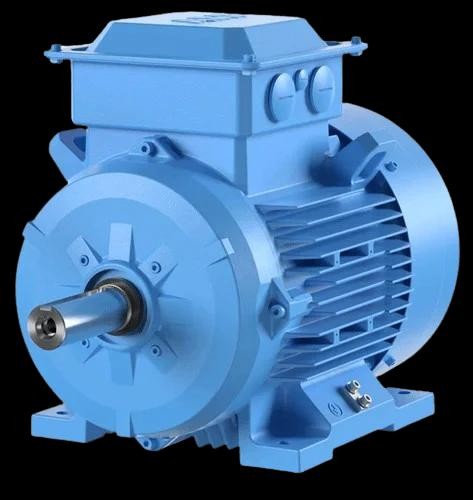

Fans and blowers move air in a wide range of applications such as ventilation, cooling, dust extraction and smoke evacuation. Whether these systems run quietly, efficiently and continuously depends largely on the electric motor that drives them. A correctly chosen motor directly affects both the air flow rate and the energy consumption, while the wrong motor leads to noise, vibration and wasted electricity. So how should you choose an electric motor for fan and blower systems?
At DRG Motor, this article looks at the power, speed, efficiency and quiet-running criteria that determine the right motor selection for fan and blower applications. If you would like to refresh the basic concepts first, take a look at our article on what an electric motor is.
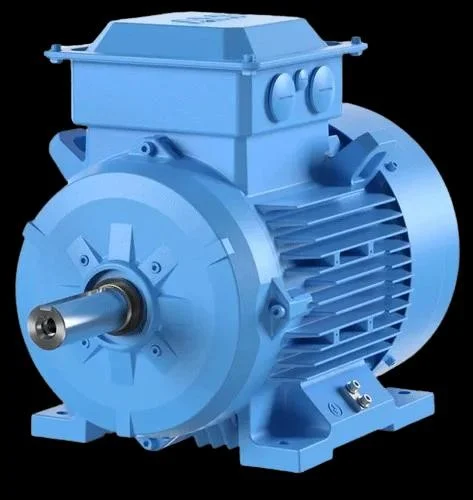
The Difference Between a Fan and a Blower
A fan pushes air into a space, while a blower (extractor) draws air out of one. Both work on essentially the same principle: an impeller spun by a motor. However, the direction of the application affects the motor's operating conditions and the power it needs to deliver. For that reason, the first step is to determine whether the system is a supply fan or an extraction blower.
In both applications, the motor is expected to run continuously and smoothly. Choosing the right motor ensures the system operates efficiently and quietly throughout its working life.
Air Flow Rate and Power Requirement
The amount of air a fan or blower has to move (the flow rate) and the resistance it must overcome together determine the motor's power requirement. A high flow rate combined with a high pressure difference calls for a more powerful motor. These values are shown on the fan's performance curve, and the motor is selected accordingly.
A motor chosen without correctly calculating the flow rate will either supply too little air or be needlessly oversized. The right power means both performance and efficiency at the same time.
Choosing the Right Speed (RPM)
In fans, speed directly determines the air flow. Higher speed moves more air, but it can also increase noise. In many fan applications, 4-pole (1500 rpm) or 6-pole (1000 rpm) motors are preferred. The speed is chosen according to the fan's design and the desired air flow rate.
The correct speed delivers both adequate air movement and quiet operation. The wrong speed means either insufficient ventilation or excessive noise.
Low Starting Torque, Continuous Duty
Fan and blower applications generally call for low starting torque, because the impeller is light and turns easily. However, these systems often run for long periods, sometimes around the clock. That is why it is important for the motor to be suited to continuous duty and to be durable.
A continuously running fan motor must be able to operate for many hours without overheating. Selecting the correct duty rating ensures the motor matches the demands of the application.
Efficiency and Energy Saving
Because fans and blowers run for long hours, the motor's efficiency directly affects the energy cost. A high-efficiency motor moves the same volume of air using less electricity and delivers significant savings over time. In ventilation systems that run continuously, efficiency translates directly into profit.
We explore how efficiency classes benefit your operation in our article on high-efficiency electric motors. An efficient fan motor noticeably reduces your energy bill.
Quiet and Vibration-Free Operation
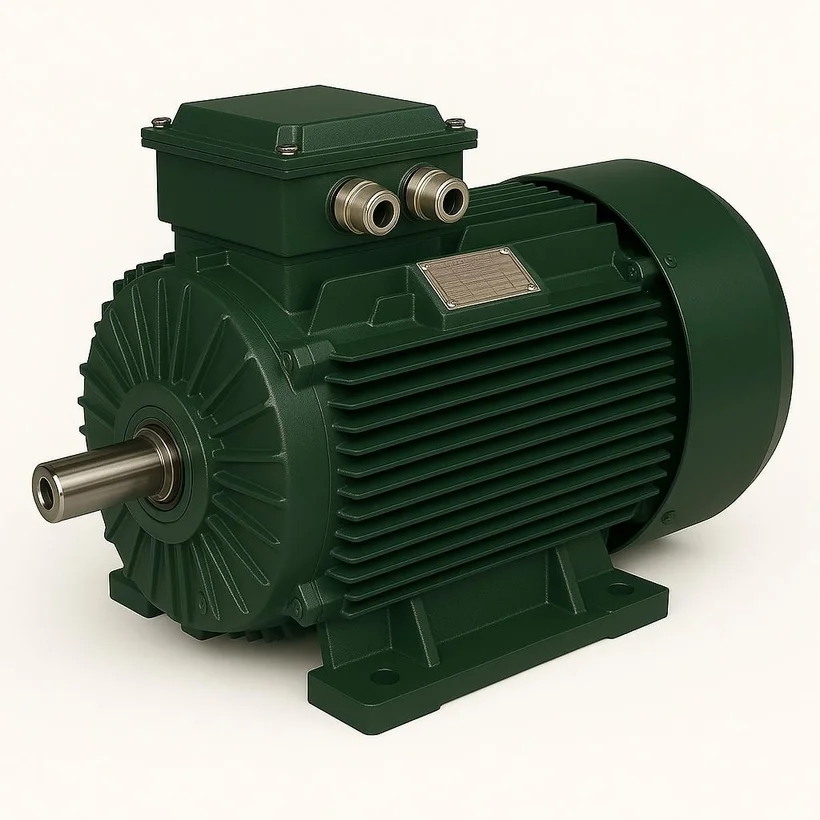
In fan and blower motors, quiet running is especially important in living and working spaces. A balanced rotor and quality bearings allow the motor to operate quietly and without vibration. Excessive vibration is both uncomfortable and wears the system out over time.
A quiet-running motor is also a sign that the motor is balanced and healthy. For that reason, a quality rotor and bearings are among the priority criteria in a fan motor.
Speed Control With a Frequency Inverter
Fan and blower applications are among the areas where a frequency inverter saves the most energy. The inverter adjusts the fan's speed to match demand, preventing unnecessary energy consumption. Because of the relationship between speed and power, even a small reduction in speed produces a large energy saving.
In systems with variable ventilation needs, using an inverter dramatically reduces the energy bill. We explain the saving logic of the inverter in our article on the frequency inverter and energy saving.
Protection Class and Operating Environment
Fan and blower motors may operate in very different environments: dusty industrial areas, humid kitchens or open-air locations. For that reason, the motor's protection class (IP) must be chosen to suit the operating environment. Dusty and damp environments call for a high IP protection class.
The correct protection class prevents the motor from being damaged by dust and moisture. This, in turn, ensures a long service life for the fan.
Blowers for Dust and Smoke Evacuation
Powerful blowers are used in industrial plants to evacuate dust, smoke and harmful gases. In these applications, the motor operates in dusty and demanding conditions, so a high protection class and durability are essential. The blower motor keeps the environment clean and safe.
In such tough applications, durable cast iron framed motors stand out. A solid housing protects the motor from a dusty and hot environment. You can read more about rugged designs in our article on the cast iron electric motor.
Kitchen and Range Hood Extractors
In commercial kitchens, range hood extractors remove greasy steam and smoke. Because these motors work in a greasy and humid environment, protection and quiet operation are important. In continuously running kitchen extractors, efficiency also affects the energy cost.
A well-chosen extractor motor runs quietly while keeping the kitchen clean and well ventilated. An efficient motor delivers savings over long operating hours.
Industrial Cooling Fans
In industry, fans are used to cool machinery, condensers and entire plants. These fans often run continuously at high power. A durable, efficient motor keeps the cooling uninterrupted, which is critical for the safety of the connected equipment.
You can take a look at our article on industrial electric motors for motors suited to heavy industrial conditions. Cooling fans demand a reliable motor.
Choosing the Correct Power
In a fan motor, the correct power is determined by the air flow rate and the system resistance, with a reasonable safety margin added on top. An oversized motor wastes energy, while an undersized one means inadequate ventilation. The right power strikes the balance.
To see the power options and which rating suits which application, you can refer to our power (kW) and speed table. The correct power is the foundation of an efficient fan.
Single-Phase and Three-Phase Fan Motors
While 220V single-phase motors can be used in small fans and blowers, 380V three-phase motors are preferred in large industrial fans. Three-phase motors offer higher power and efficiency. The choice is made according to the fan's power and the available electrical infrastructure.
The correct supply type is essential for the fan to run trouble-free. In high-power industrial fans, a three-phase motor is the most suitable choice.
Cooling and Heat Control
Heating is an important issue in continuously running fan motors. A motor with a good cooling design that runs cool will have a long life. Overheating wears out the insulation and leads to failure, so the motor's cooling must be sufficient.
Because high-efficiency motors run cooler, they are also advantageous in fan applications from this point of view. Low heat rise means both safety and longevity.
Rotor and Winding Quality
The efficiency and quietness of a fan motor depend on the quality of its rotor and copper winding. A quality copper winding increases efficiency and reduces heating, while a balanced rotor provides vibration-free operation. These two elements are the foundation of a quiet, efficient fan motor.
We explain the effect of winding quality on efficiency in detail in our article on rotor copper-wound electric motors. A quality winding means a quality fan motor.
Mounting Type and Impeller Connection
How the impeller is connected to a fan motor is related to the mounting type. Foot-mounted (B3), flange-mounted (B5) or combined (B35) mounting options are chosen according to the structure of the fan. The correct mounting ensures balanced rotation and proper alignment.
Incorrect mounting or an unbalanced impeller leads to vibration and premature failure. For that reason, the mounting type is part of the fan motor selection.
Thermal Protection
Thermal protection is an important safeguard against overheating in fan motors. When the motor exceeds a certain temperature, the thermal protection cuts in and stops the motor. This protection is especially important in continuously running fans and blowers.
A motor with thermal protection protects itself during unexpected load increases or cooling problems. This in turn prevents costly failures.
The Consequences of Choosing the Wrong Motor
Choosing the wrong motor for a fan leads to a variety of problems. A small motor supplies insufficient air and struggles, while a large one wastes energy. High speed creates noise, while low speed produces inadequate ventilation. These mistakes cause problems in terms of both comfort and cost.
The right choice, on the other hand, ensures the fan runs efficiently, quietly and for a long time. That is why motor selection is one of the most important decisions for a ventilation system.
Maintenance and Long Life
A long service life for a fan motor is possible with regular maintenance. Cleaning the impeller, checking the bearings, verifying connection tightness and monitoring heat rise are the basic maintenance steps. Dust building up in the impeller and cooling channels increases heating, so regular cleaning is important.
Especially in blowers working in dusty environments, neglected maintenance can turn into major failures. You can review the routine in our article on electric motor maintenance steps. Planned maintenance noticeably extends the motor's life.
Durability in Continuous Operation
Many fans and blowers run for the greater part of the day, or even without interruption. For that reason, the motor's durability is important. Quality bearings, a solid housing and good cooling determine the reliability of a continuously running fan. A durable motor serves for a long time without failure.
In continuously running systems, even a momentary stop of the motor can cause problems. That is why durability is among the priority criteria in a fan motor.
A Fan Motor From the Right Supplier
Buying your fan motor from the right supplier is as important as the quality of the product itself. A reliable supplier recommends the correct product, provides a warranty and offers technical support. This makes it easier to find the most suitable motor for your fan.
We explain the criteria for choosing a reliable supplier in our article on choosing an electric motor dealer. The right source means the right fan motor.
Total Cost and Return on Investment
The cost of a fan motor is not limited to the purchase price; energy consumption and maintenance expenses must also be taken into account. Although a high-efficiency motor is a little more expensive at the outset, it pays for itself over time through energy savings. In fans that run for long hours, this difference appears quickly.
For that reason, when choosing a fan motor you should look not at the initial price but at the total cost of ownership. An efficient motor pays you back throughout its life.
Next-Generation Fan Motors
Next-generation motors are more efficient and longer-lasting than older motors thanks to their advanced design. Replacing old motors in fans and blowers with new high-efficiency motors lowers energy costs and improves performance. This transition usually pays for itself in a short time.
We discuss the advantages of modern motors in our article on next-generation electric motors. New-generation technology makes a difference in ventilation too.
Air Direction and Rotation Direction
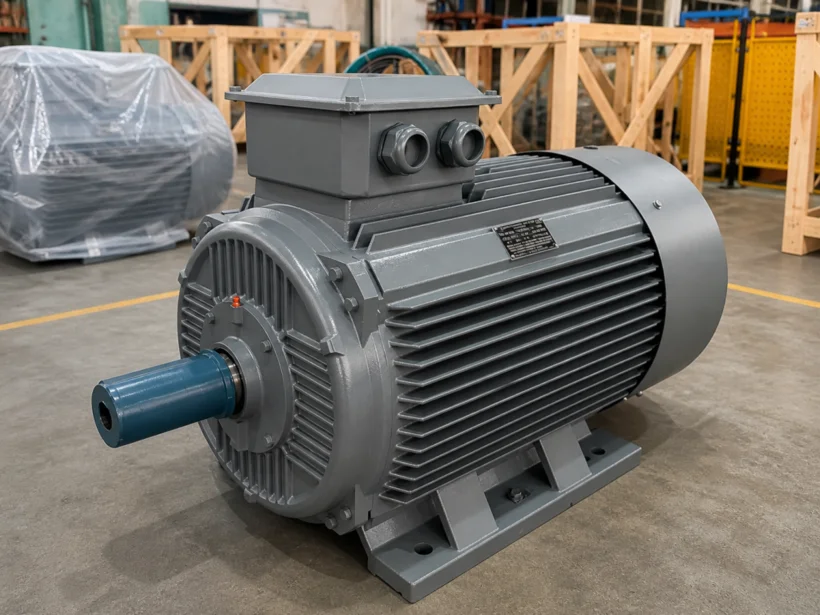
In fans and blowers, the impeller turning in the correct direction moves the air the right way. In three-phase motors, the rotation direction can be set by changing the phase sequence. The wrong rotation direction prevents the fan from pushing or drawing air, so the direction of rotation must be checked during installation.
The correct rotation direction ensures the fan operates at the performance for which it was designed. This simple but critical check should not be neglected during commissioning.
Roof-Mounted and Wall-Mounted Extractors
Extractors can be roof-mounted or wall-mounted depending on the installation location. In both types, the motor must be chosen to suit the weather conditions and the mounting position. In roof extractors that operate in the open air, a high protection class and durability come to the fore.
The mounting position determines the moisture, dust and temperature the motor will be exposed to. The right choice allows the extractor to operate safely under all conditions.
Air Quality and Health
A well-functioning ventilation system directly affects air quality, and therefore health, in enclosed spaces. Inadequate ventilation leads to a build-up of moisture, odours and harmful gases. A correctly chosen, powerful extractor motor ensures the space receives a continuous supply of clean air.
Especially in crowded, enclosed work areas, effective ventilation is important in terms of both comfort and safety. A reliable motor provides this continuity.
Energy Cost and Operating Hours
The energy cost of a fan motor depends not only on its power but also on its operating hours. In a ventilation system that runs for the greater part of the day, an efficient motor delivers significant savings throughout the year. The longer the operating time, the greater the return on efficiency.
For that reason, in continuously running fans, choosing a high-efficiency motor should be a priority. Efficiency delivers its most visible gain over long operating hours.
Impeller Balance and Motor Life
In fans, the balance of the impeller directly affects the motor's life. An unbalanced impeller produces vibration and strains the motor's bearings. A properly balanced impeller and a quality motor together create a long-lasting, quiet system.
For that reason, the impeller and motor should be chosen to suit each other and to be balanced. A balanced system delivers both quietness and durability.
Expert Support for the Right Choice
Choosing a motor for a fan or blower requires evaluating many factors together, such as air flow rate, environment, operating time and quietness. When in doubt, consulting an expert eliminates the risk of a wrong choice. The right support helps you find the most suitable motor.
At DRG Motor, we offer technical support to determine the most suitable motor for your ventilation system. The right choice delivers both efficiency and long service life.
DRG Motor for Reliable Fan and Blower Solutions
At DRG Motor, we supply high-efficiency, quiet motors across a wide range of power and speed for ventilation fans, industrial blowers, cooling systems and dust evacuation systems. Our aim is to ensure your fan and blower system operates efficiently, quietly and for a long time. By determining the correct power, speed and protection class together, we recommend the solution best suited to you.
To choose the most suitable motor for your fan or blower and to receive technical support, you can get in touch with DRG Motor and review our product range on our products page, or visit our homepage. The right fan motor delivers clean air and energy efficiency at the same time.